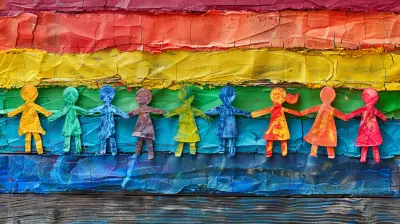
The Impact of Inclusive Education on Academic Achievement
22 March 2026
Alright, let's talk about something that sounds all kinds of serious but actually has the power to change lives in a very real and beautiful way: inclusive education.
You’ve probably heard the term tossed around in educational circles or during school board meetings that tend to last way too long — but what is inclusive education really? And more importantly, does it actually make a difference when it comes to academic success? (Spoiler alert: absolutely, and it’s not even close.)
So, pull up a chair, grab your favorite cup of coffee (or tea, if that’s your thing), and let’s dive headfirst into the wild, wonderful world of inclusive classrooms, emotional wins, and academic glory.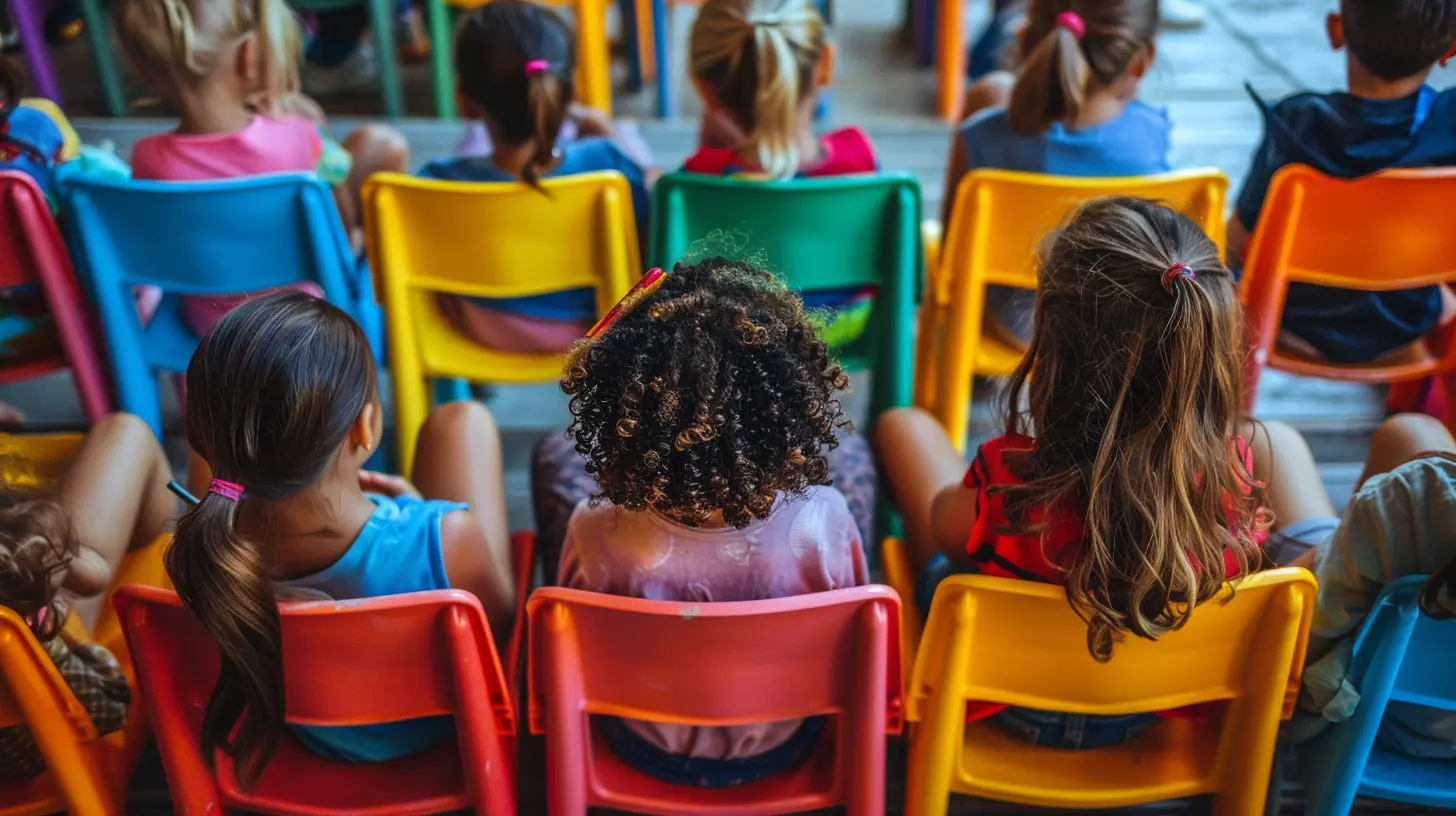
What Exactly Is Inclusive Education?
Imagine a classroom where every student, regardless of ability, background, or learning style, sits side by side — learning from each other, growing together, and being supported in all the right ways. Sounds like a cheesy movie plot, doesn’t it? Well, it’s very real, and it’s called inclusive education.In simple terms: Inclusive education means students with and without disabilities learn together in the same classroom. But it’s not just about opening the doors and letting everyone wander in — it's about intentionally creating supportive learning environments where everyone thrives.
It’s like a well-made pizza. You’ve got your crust (the essential resources), your sauce (the engaging curriculum), and your toppings (the diversity of learners). Get the combination right, and boom — delicious academic success for all!
The Blueprint Behind It: Why Inclusive Education Exists
Before we jump into the juicy stats and feel-good results, let's look at the logic. Inclusive education isn’t just a feel-good idea — it's backed by tons of research, policies, and a growing global movement.At its core, inclusive education is built on the belief that:
- Every student has value.
- Everyone deserves the same educational opportunities.
- Diversity isn’t a distraction — it’s a superpower.
The goal? Make schools welcoming and adaptable enough that no one is left out or left behind.
Academic Achievement: Let’s Get to the Good Stuff
Alright, here’s what you most likely came for — how does inclusive education impact academic performance? Is it actually helpful? Or just another box schools try to tick?The answer isn’t just a simple “yes.” It’s a loud, resounding, confetti-throwing, mic-dropping “HECK YES.”
Let’s break it down.
1. Enhanced Learning Outcomes for All
Here’s the twist: Inclusive education benefits not only students with disabilities but also those without.Wait, what? Yep. When kids learn in diverse classrooms, they’re exposed to different perspectives, communication styles, and problem-solving techniques. This leads to richer discussions, more creative thinking, and stronger collaboration skills.
Group projects become less of a nightmare and more of a sitcom episode waiting to happen — diverse, unpredictable, but somehow incredibly effective.
Kids learn patience, compassion, and flexibility — and trust me, those soft skills are secret weapons when it comes to academic and professional success.
2. Better Teacher Practices = Better Results
Teachers in inclusive classrooms have to bring their A-game. That means differentiating instruction, using multiple teaching methods, and finding cool, creative ways to engage everyone.As a result, teaching quality often improves across the board. Think of it as a personal trainer who has to find a way to help every client hit their goals — they get better at their job because they have to.
And guess who benefits from that? Every single student in the room.
3. Higher Self-Esteem = Higher Academic Performance
Remember in school when how you felt usually impacted how well you did in class? If you felt included, valued, and confident, you were more likely to raise your hand, turn in homework, and actually try.Inclusive schools are champs at building that positive self-image. When students see themselves reflected in the curriculum, feel safe to speak up, and know their needs matter, they thrive.
And yes — thriving includes test scores and grades.
4. Reduced Dropout Rates
Research has shown that inclusive education helps reduce dropout rates for students with disabilities. But here’s the kicker — it also helps keep other students engaged as well. Why?Because inclusive education builds community.
When students feel like they belong, they’re less likely to check out or give up. It's like being part of a team — nobody wants to quit when they feel like they matter.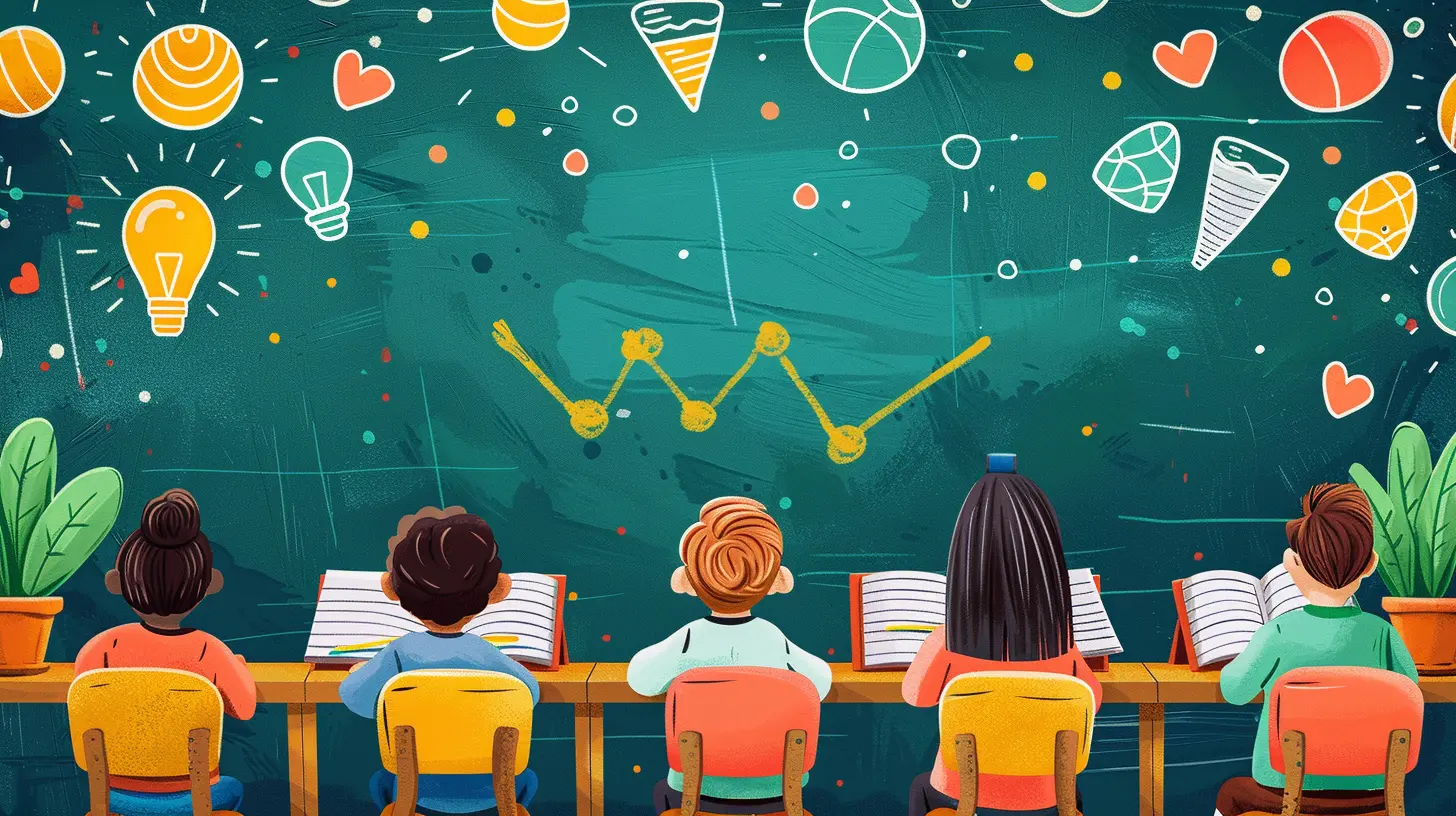
Myth-Busting: Inclusive Education Misconceptions (With a Side of Sass)
Let’s knock down a few tall tales that tend to hover around the perimeter of this topic.❌ “Inclusive classrooms hold high-achieving students back.”
Wrong. If anything, inclusive education stretches all students in new, dynamic ways. Peer mentoring, collaboration, and differentiated teaching help students dig deeper into concepts. Bonus? High-achieving students often become mentors, reinforcing learning while building leadership skills.❌ “Teachers don’t have the training to handle inclusive classrooms.”
Sadly, there’s some truth here. Many teachers don’t start with the proper training. But here’s the good news: when schools invest in professional development and support, the learning curve becomes totally manageable. Teachers grow, and students reap the benefits.❌ “Students with disabilities don’t benefit academically in general classrooms.”
Big nope. While some students will still need additional support (hello, Individualized Education Plans!), studies show that inclusion often leads to equal or better academic outcomes, especially when supports are built-in. Inclusion works when it’s done right.How Schools Can Make Inclusive Education Actually Work
Okay, time to get real. Inclusive education isn’t like tossing some glitter in the air and hoping for magic. It takes effort. But the payoff? So worth it.✔️ Start With Strong Leadership
Administrators set the tone. When inclusion is a priority at the top, resources and mindset follow. It’s not just about policy — it's about culture.✔️ Invest in Teacher Training
Let’s face it: teachers wear way too many hats already. Give them access to tools, training, and time. With the right support, they’ll work wonders.✔️ Use Adaptable Curriculum
One size fits none. Offer content in multiple ways — visual, audio, hands-on, digital — and watch how many more students suddenly “get it.”✔️ Create a Safe, Welcoming Environment
This goes beyond academics. Think buddy programs, empathy-building activities, and open dialogue. When students feel emotionally safe, academic success usually tags along for the ride.Real-Life Success Stories (Cue the Happy Tears)
Need some proof that this isn’t all just fluff and dreams? Let’s peek at some real-life wins.- Finland — Yep, the land of saunas and school excellence. Finland's inclusive education system emphasizes equity and individualized support. Their students consistently rank at the top globally in literacy and math.
- Canada — In many provinces, inclusive classrooms are the norm. Studies show improved social skills, higher attendance, and better academic performance across the board.
- Local Schools Near You — That’s right. Chances are, there’s a school in your own town quietly working its inclusive magic. Ask around. It's happening more than you think!
The Ripple Effect: It Goes Beyond Academics
Let’s press pause and appreciate the bigger picture. Inclusive education doesn’t just help students pass math tests. It equips them for life.- It builds critical thinking.
- It teaches empathy.
- It promotes cooperation.
- It dismantles prejudice before it can take root.
These kids grow up to become adults who don't just tolerate differences — they celebrate them. And let’s be real, the world desperately needs more of that energy.
A Final Word (Or Two)
Inclusive education isn’t perfect. It’s messy, challenging, and requires commitment. But the impact on academic achievement? Unmatched.It’s like planting a garden — you need the right tools, the right seeds, and a whole lot of care. But give it time, and what grows is nothing short of extraordinary.
So whether you’re a parent, teacher, principal, policy-maker, or just someone who cares about kids and learning (high five to you!), know this:
Inclusion isn’t just the right thing to do — it’s the smart thing to do.
Let’s keep pushing for classrooms that welcome everyone, challenge everyone, and lift everyone up.
all images in this post were generated using AI tools
Category:
Inclusive EducationAuthor:

Fiona McFarlin
Discussion
rate this article
2 comments
Alyssa McMichael
Thank you for this insightful article! It beautifully highlights the profound benefits of inclusive education on academic achievement. I'm inspired to learn more and advocate for inclusive practices in our schools.
March 28, 2026 at 3:47 AM
Fiona McFarlin
Thank you for your kind words! I'm glad the article resonated with you. Your passion for advocating inclusive practices is inspiring.
Kaleb McMillen
Inclusive education fosters diverse perspectives, enhancing academic achievement for all students. By creating an environment of belonging and support, we empower individuals to reach their full potential together.
March 23, 2026 at 11:42 AM
Fiona McFarlin
Thank you for your insightful comment! I completely agree—creating a supportive and inclusive environment is crucial for unlocking the full potential of all students and enriching their academic experiences.