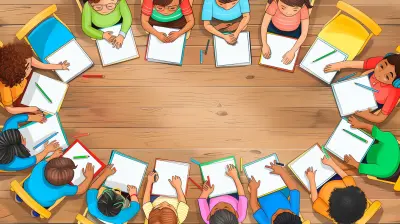
The Future of Virtual Classrooms in 2027
15 May 2026
Let me paint you a picture. It is a Tuesday morning in late 2027. You pour your coffee, sit down at your desk, and your classroom materializes around you. Not a flat screen with a grid of tired faces. Not a link you click. It is a space. The walls of your apartment dissolve into the cool, stone corridors of a 14th-century monastery. Your instructor, a historian who lives three thousand miles away, is standing beside a weathered manuscript. She reaches out, and the page lifts, the ink shimmering as if alive. You can walk around her. You can touch the stone. You can smell the dust.
Sound like science fiction? It is not. The future of virtual classrooms in 2027 is not about better video calls. It is about erasing the line between "here" and "there." We are heading toward a world where the classroom is not a place you go, but a condition you enter. And the ride is going to be strange, beautiful, and a little unsettling.
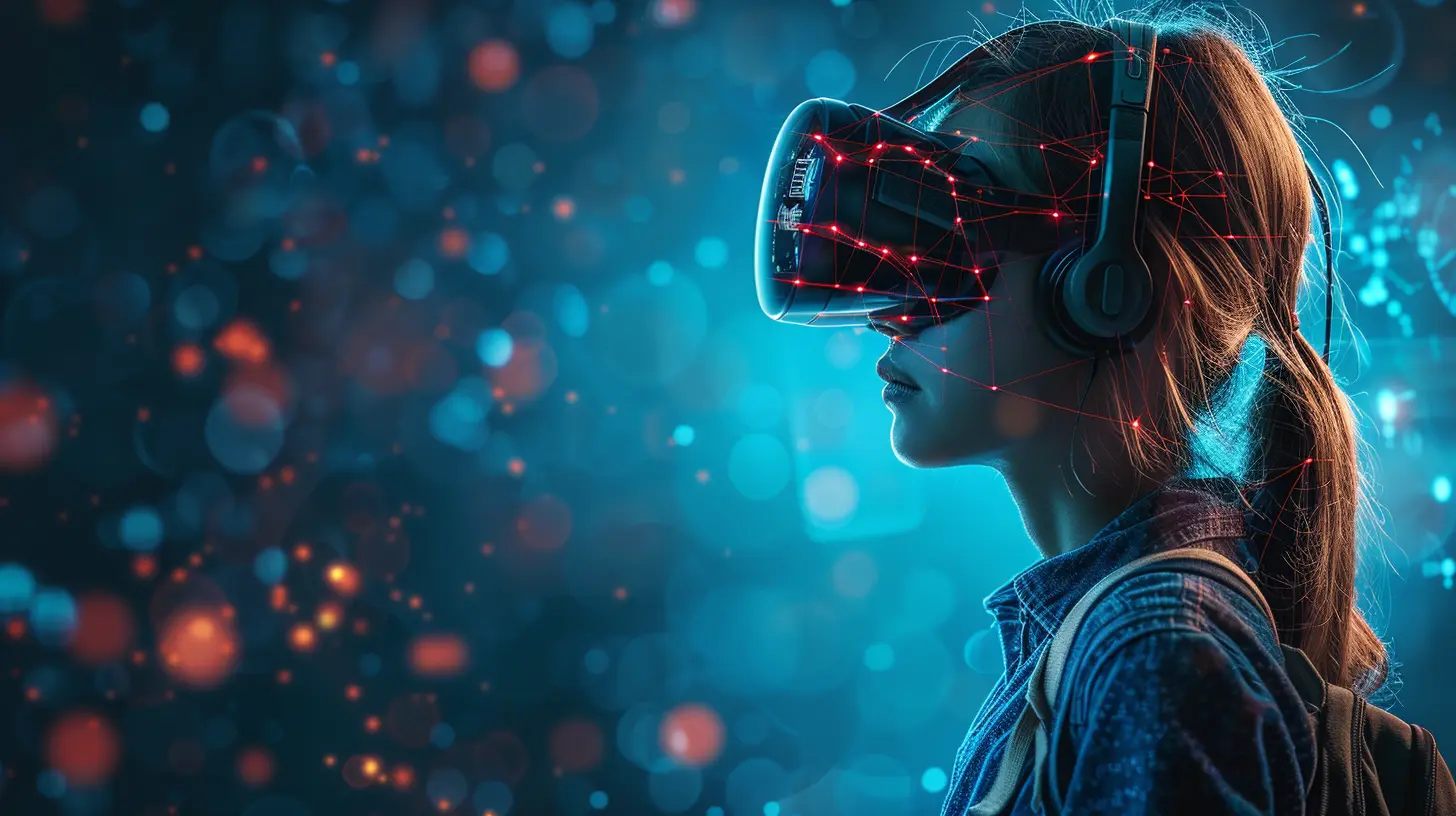
The Ghost in the Machine: AI That Teaches, Not Just Answers
Let us get one thing straight: the AI in 2027 will not be the robotic, monotone helper we laugh at today. By 2027, the virtual classroom runs on something we might call "ambient intelligence." It is not a chatbot you type at. It is a presence.Imagine you are struggling with a calculus concept. In a traditional class, you raise your hand, wait, maybe get a one-size-fits-all explanation. In 2027, the room knows you are stuck before you do. Your eye movement, the pause in your typing, the slight frown on your face - the system reads these micro-signals. A holographic tutor, shaped like a calm and patient human, appears beside you. It does not say "Let me explain." It says, "I see you are thinking about derivatives in the wrong direction. Try this." It adjusts the problem in real time, changing colors, shapes, and variables until your brain clicks.
This is not about replacing the human teacher. It is about giving them superpowers. The human instructor in 2027 does not grade papers or take attendance. They design experiences. They ask the hard, messy questions. They sit with you in the virtual courtyard and talk about the meaning of the equation, not just the mechanics. The AI handles the grunt work. The human handles the soul.
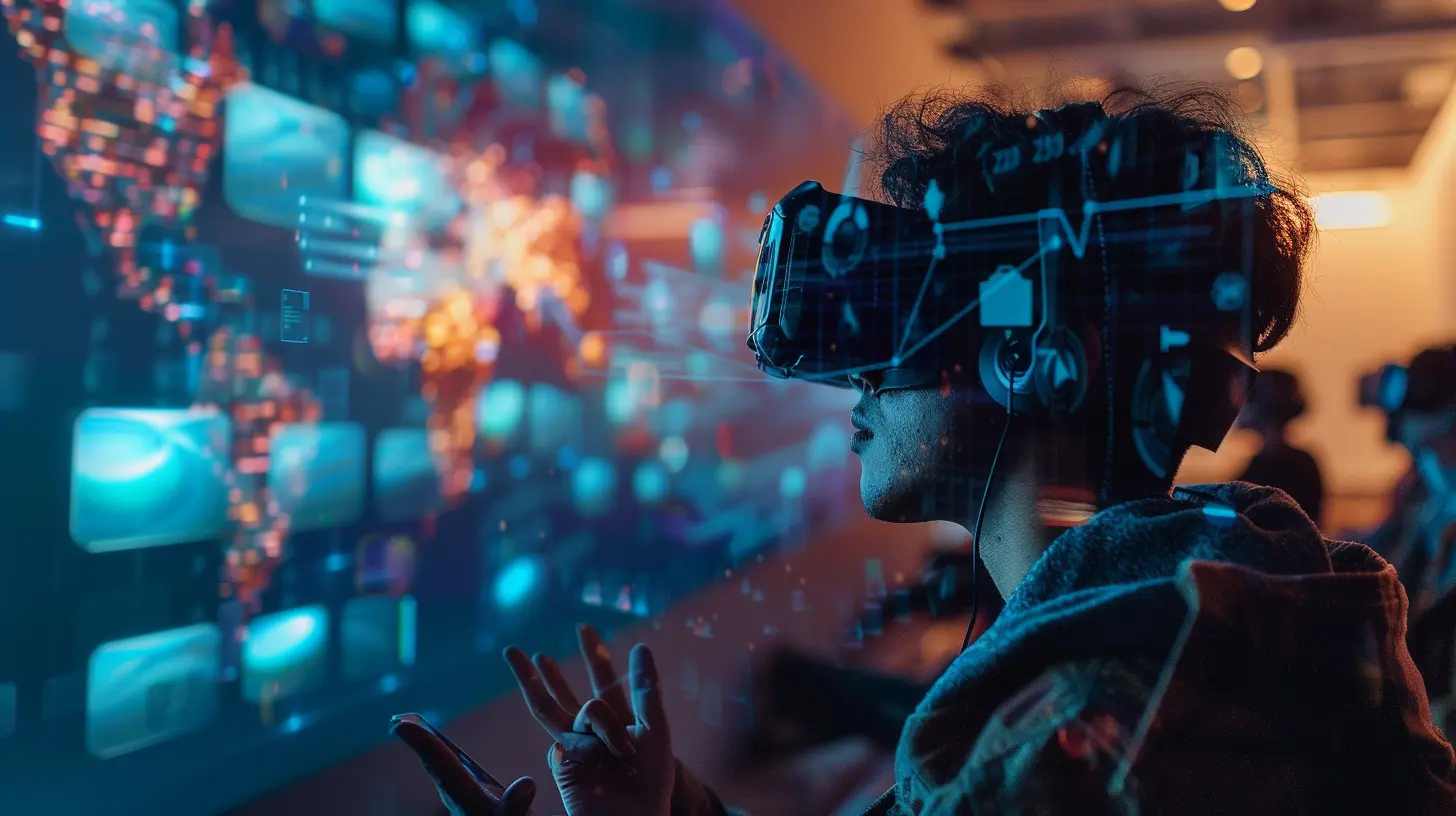
The Death of the Rectangle: Immersive Learning Without the Goggles
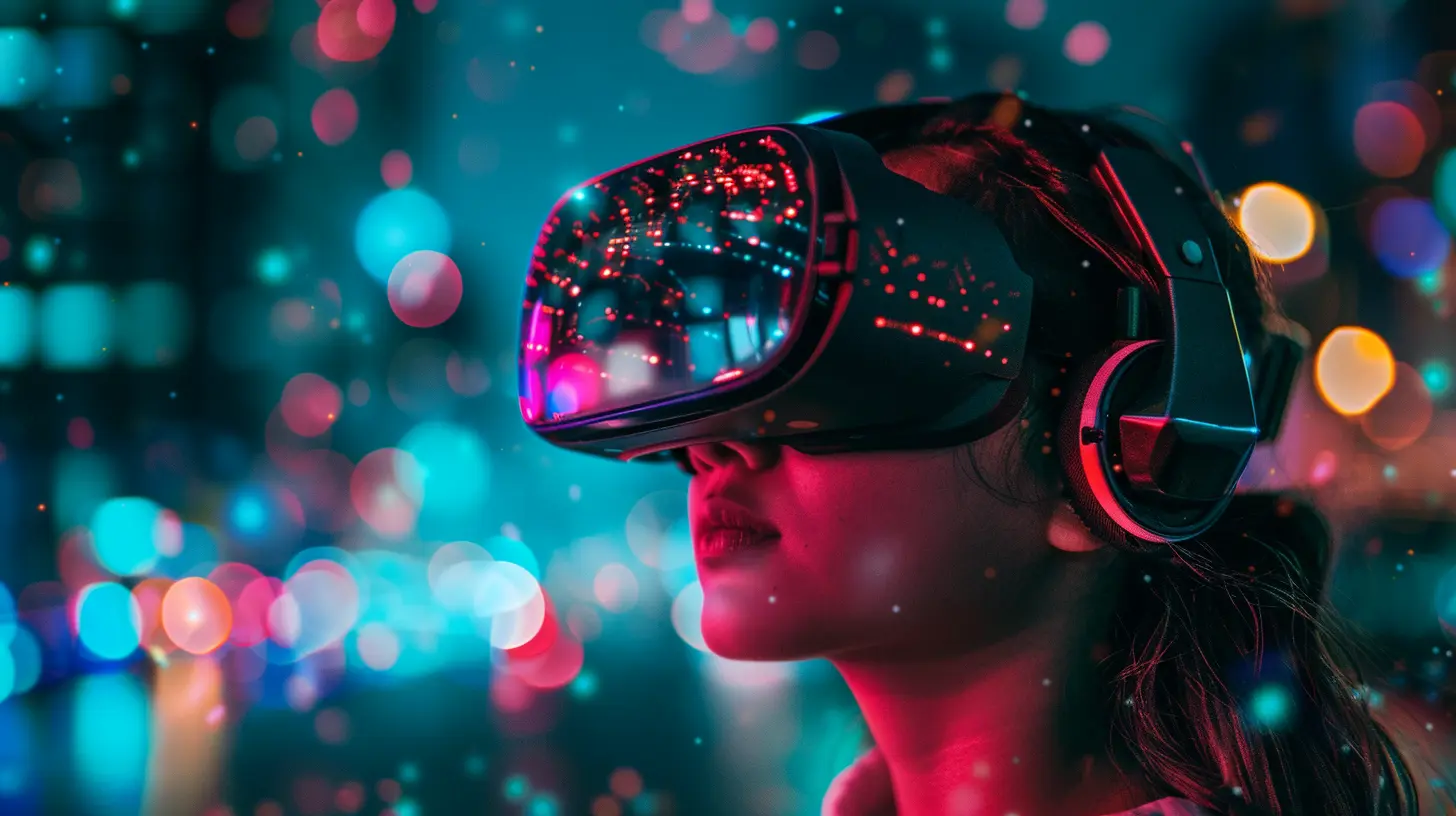
Here is the big secret: most people hate wearing VR headsets for hours. They are heavy. They make you sweat. They isolate you from your cat. The future of virtual classrooms in 2027 knows this. So, we are moving past the goggles.Think of it like this: remember when 3D movies were a big deal, and then they just became a normal part of the experience? Same thing here. By 2027, most virtual classrooms will use "spatial computing" that works with lightweight glasses, or even no glasses at all. Your laptop camera and a simple projector can turn your bedroom wall into a whiteboard that responds to gestures. Your desk becomes a lab table. Your floor becomes the deck of a ship sailing the Pacific.
But the real magic is "haptic feedback." You will not just see a chemistry experiment. When you mix two virtual compounds, your fingertips will feel a slight warmth or a cool tingle. You will feel the weight of a virtual hammer in a carpentry class. This is not gimmickry. It is how the brain learns. We remember what we touch. We remember what we feel. In 2027, the virtual classroom will finally be a full-body experience.
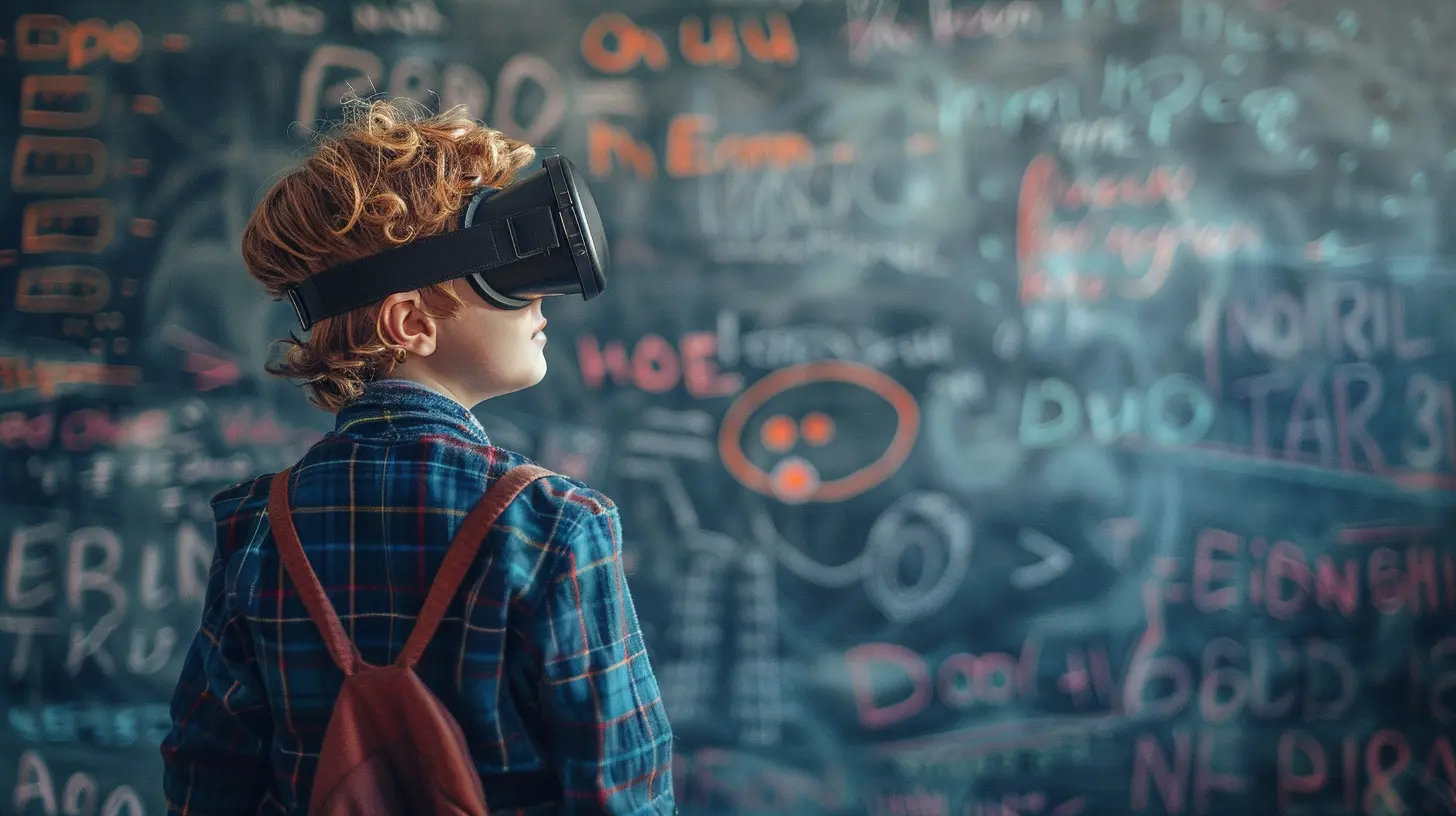
The Social Paradox: Why You Will Crave the Awkwardness
Let us be honest: the biggest failure of online learning so far is loneliness. You sit alone in your room, watching a recording, and you feel like a ghost. The future of virtual classrooms in 2027 tackles this head-on, but in a way that might surprise you.We are not trying to recreate the high school hallway. That was awkward for a reason. Instead, we are building "micro-moments of connection." Imagine a history class where you and three other students are assigned to explore a virtual Pompeii. You are each a different character - a merchant, a baker, a scribe. You have to negotiate, trade, and solve problems together. You are not just learning history. You are building a shared memory. When the "eruption" happens (a scripted event), you all run for cover. You laugh. You panic. You bond.
These experiences create "social presence." You will know your classmates not by their Zoom name, but by how they reacted when the virtual volcano exploded. By 2027, the virtual classroom will have spontaneity. The teacher might suddenly change the lighting to simulate a storm. A student might throw a virtual paper airplane. The system will allow for chaos, because chaos is where real learning happens.
The Syllabus That Rewrites Itself
Here is a question: what happens when every student has a different learning path? In 2027, the one-size-fits-all syllabus is dead. It is a fossil. The new model is "adaptive curriculum."Imagine you are taking a course on Renaissance art. You are a visual learner. The system knows this. So, it gives you more images, more 3D models of sculptures, more color palettes to play with. Your friend, who is a verbal learner, gets more letters, more poetry from the era, more debates about patronage. You both learn the same core concepts, but the journey is completely different.
This sounds great, right? But it has a dark side. If the algorithm decides you are "bad" at something, it might avoid challenging you. This is the danger of the future. The best virtual classrooms in 2027 will fight this tendency. They will deliberately throw curveballs. They will make you uncomfortable. They will say, "You think you are bad at poetry? Try this one." Because growth only happens when the system refuses to let you coast.
The Teacher Is No Longer the Sage on the Stage
Let us talk about the person in charge. In 2027, a teacher's job description looks nothing like it does today. They are not lecturers. They are curators, facilitators, and emotional anchors.A typical day for a 2027 instructor might look like this: in the morning, they review the AI's report on student engagement. They see that Maria is bored with the linear algebra module. They craft a mini-game on the fly, turning the equations into a puzzle about escaping a virtual maze. In the afternoon, they hold "office hours" in a virtual coffee shop. Students drop in, sit at a table, and just talk. No agenda. No grades. Just human connection.
The best teachers in 2027 will be masters of improvisation. They will read the room - even when the room is a thousand miles wide. They will know when to push and when to pull. And they will be freed from the drudgery of paperwork. The AI writes the progress reports. The AI grades the multiple-choice. The teacher focuses on the one thing a machine cannot do: caring.
The Digital Divide: The Uncomfortable Truth
I cannot write about the future without being honest about the cracks. The virtual classroom of 2027 will be incredible, but only if you have the hardware. And not everyone will.We are talking about high-bandwidth internet, powerful processors, and spatial computing devices. The cost will drop, but not fast enough. In 2027, a student in a rural area with a slow connection will see a laggy, glitchy version of the classroom. They will miss the subtle cues. They will feel like they are watching a movie while everyone else is in the movie.
This is the great challenge. The industry is working on "low-fidelity" modes - versions that run on a basic tablet or even a phone. But the truth is, the full experience is expensive. The future of virtual classrooms will be a tale of two worlds: the rich, immersive reality for the haves, and the stripped-down, ghostly version for the have-nots. It is a problem we must solve, not ignore.
The Privacy Question: Who Is Watching You Learn?
Here is a scary thought: in 2027, the classroom watches you. Not a camera watching you pick your nose. But the system tracks your gaze, your posture, your emotional state. It uses this data to help you learn. But who else has access to it?Imagine a future where your employer sees your learning data. They know you struggled with a concept. They know you took too long on a test. Suddenly, the virtual classroom becomes a surveillance tool. This is the ethical nightmare we are walking into.
The good news is that there is a push for "data sovereignty." By 2027, many schools will adopt a model where your learning data belongs to you, not the platform. You can share it, hide it, or delete it. But not all platforms will be ethical. The savvy student in 2027 will read the fine print. They will choose classrooms that respect their privacy. It is a new skill: digital literacy about your own digital soul.
The Role of the Physical: Why You Still Need a Desk
A lot of people think the virtual classroom means the end of the physical school. I disagree. In 2027, we will see a hybrid model that is smarter than anything we have now.Think of it like a gym. You can work out at home with a virtual trainer. It is fine. But sometimes, you go to the gym because the equipment is better, the community is real, and the atmosphere pushes you. Same with learning. Physical schools in 2027 will become "learning studios." They will have high-end VR rigs, 3D printers, labs with real chemicals, and quiet rooms for deep focus. Students will go there for the things you cannot do at home: group projects that need physical materials, hands-on science, or just the energy of being around other humans.
The virtual classroom handles the theory, the exploration, the repetitive practice. The physical school handles the messy, tactile, social stuff. It is a partnership, not a replacement.
The Wild Card: Quantum Learning and Brain-Computer Interfaces
I have to mention the fringe stuff, because it is coming faster than you think. By 2027, we will see the first mainstream experiments with brain-computer interfaces (BCI) in education. Picture a headband that reads your brainwaves. When you are focused, the system knows. When you are distracted, it gently nudges you back.This sounds like mind control. And in a way, it is. But the potential is massive. Imagine learning a language where the system bypasses your conscious effort and feeds vocabulary directly into your working memory. It is not magic. It is neuroplasticity, accelerated by tech.
The ethical questions here are enormous. Do we want a classroom that can read our thoughts? Probably not yet. But the experiments in 2027 will be small, controlled, and voluntary. They will test the waters. And they will be fascinating to watch.
Where We Go From Here
So, what does the virtual classroom in 2027 actually feel like? It feels like a place that cares. It feels like a place that knows you. It is not a cold, digital void. It is a warm, responsive environment that adapts to your rhythm.But here is the catch: technology is just the stage. The actors are still human. The teacher who makes you laugh. The classmate who challenges your idea. The moment of confusion that turns into a breakthrough. None of that changes. The tools get sharper, but the craft stays the same.
The future of virtual classrooms in 2027 is not about replacing the old. It is about expanding the possible. It is about taking the best parts of a physical school - the community, the mentorship, the serendipity - and weaving them into a digital fabric that is accessible to anyone, anywhere.
Will it be perfect? No. It will be messy, expensive, and sometimes creepy. But it will also be the most exciting time to be a student in the history of the world. So, are you ready to step into the classroom that builds itself around you? Because it is already under construction.
all images in this post were generated using AI tools
Category:
Distance LearningAuthor:

Fiona McFarlin
Discussion
rate this article
2 comments
Onyx McNab
This article offers an insightful look into how virtual classrooms will evolve by 2027, highlighting new technologies and teaching methods that could enhance learning experiences.
July 20, 2026 at 4:14 AM
Samantha McCaw
This article presents a fascinating look at the evolution of virtual classrooms. The insights on technology advancements and student engagement are particularly enlightening. I appreciate the forward-thinking approach and can't wait to see how these ideas shape education in the coming years.
May 24, 2026 at 3:50 AM
Fiona McFarlin
Thank you for your kind words! I'm glad you found the insights valuable. The future of virtual classrooms is indeed exciting, and I'm eager to see how these advancements unfold.