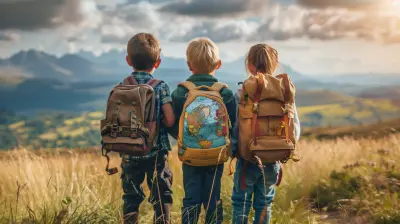
The Future of Civic Education in a Globalized World
28 July 2026
Civic education has always played a crucial role in shaping informed and responsible citizens. But as the world becomes more interconnected, the traditional ways of teaching civics need to evolve. We live in an era where decisions made in one country can impact people halfway across the globe. So, how do we prepare future generations to be active, engaged, and globally aware citizens?
This article dives into how civic education must adapt to the realities of globalization, technological advancements, and shifting societal values. Let’s break it down. 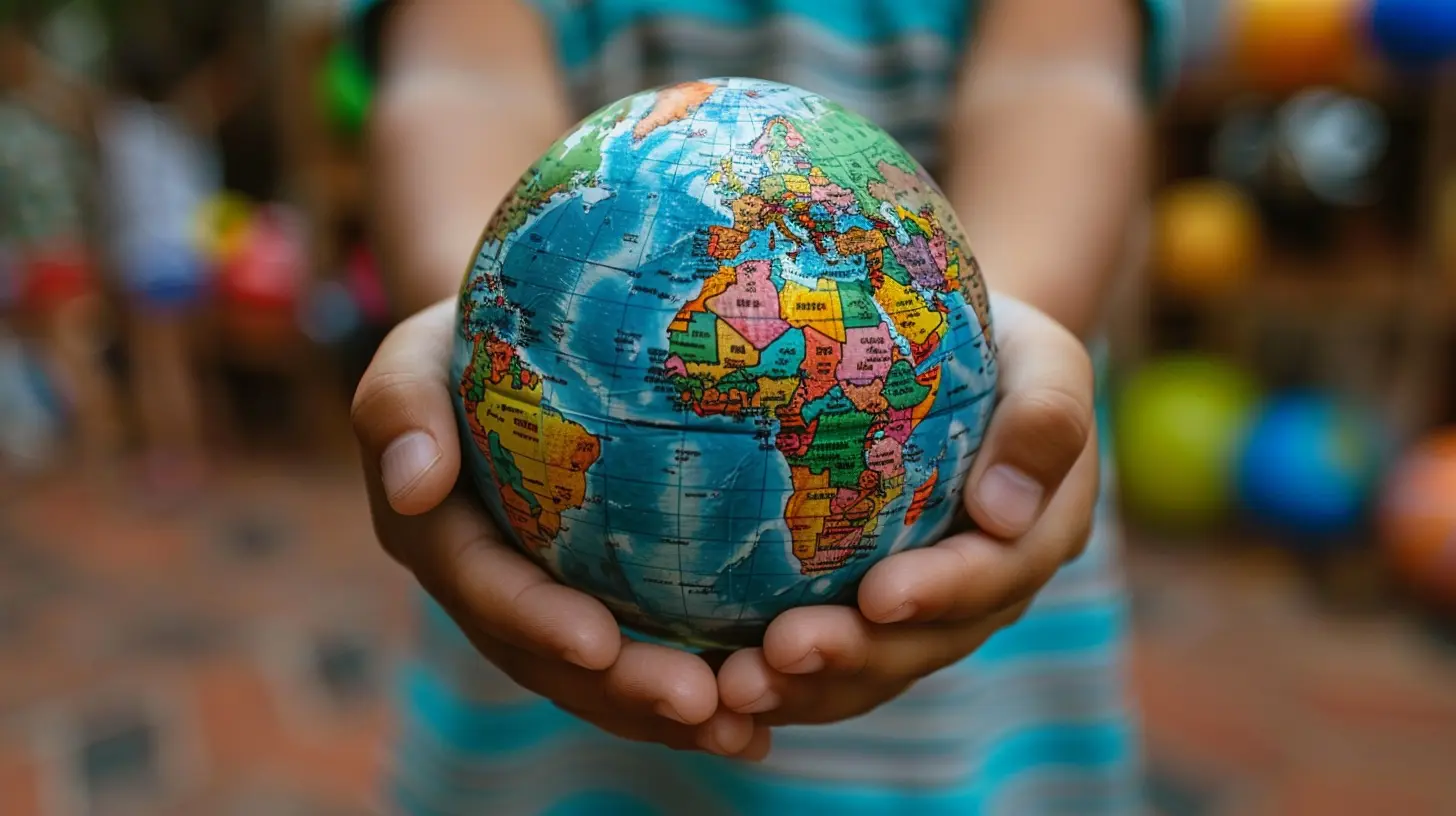
The Changing Landscape of Civic Education
From Local to Global Citizenship
For decades, civic education focused on national identity, government structures, and democratic participation. While these aspects remain critical, they’re no longer enough. Today's students need to understand global issues—climate change, international trade, human rights, and digital governance—because their lives are directly affected by them.Globalization has blurred the lines between domestic and international affairs. Businesses, politics, social movements, and even pandemics are interconnected. Teaching students only about their country’s political system without addressing global interdependence is like teaching someone to swim in a bathtub and expecting them to navigate the ocean.
The Influence of Technology
The rise of the internet and social media has transformed how people engage with civic issues. In the past, political discussions happened in town halls and newspapers. Now, they unfold on Twitter, TikTok, and Facebook, often in real time.This shift presents both opportunities and challenges. On one hand, students have immediate access to global information. On the other, misinformation spreads just as quickly. Future civic education must focus on digital literacy—helping students discern credible sources, detect bias, and engage in meaningful discussions online. 
Key Challenges Facing Civic Education
Political Polarization
One of the biggest hurdles to effective civic education today is political polarization. People are more divided than ever, often consuming news that aligns with their existing beliefs. This makes it difficult to have open, constructive discussions.Civic education must teach students how to engage respectfully with opposing viewpoints. Encouraging debate, teaching critical thinking, and promoting empathy are essential in a world where shouting matches often replace meaningful conversation.
Lack of Global Perspective
Many civic education curriculums still focus primarily on national issues, neglecting the broader global context. But in an interconnected world, students need to understand how policies and events in other countries affect their own lives.A strong civic education program should include topics like global governance, international law, and cross-cultural communication. This ensures students see themselves not just as citizens of their country, but as global citizens with responsibilities beyond their borders.
Educational Inequality
Access to quality civic education varies widely. In some countries, civic studies are a priority, while in others, they are an afterthought. Even within countries, socio-economic disparities affect how students engage with civic learning.Technology offers a potential solution. Online courses, open-access materials, and digital civic engagement platforms can level the playing field, making quality civic education more accessible to all students, regardless of background. 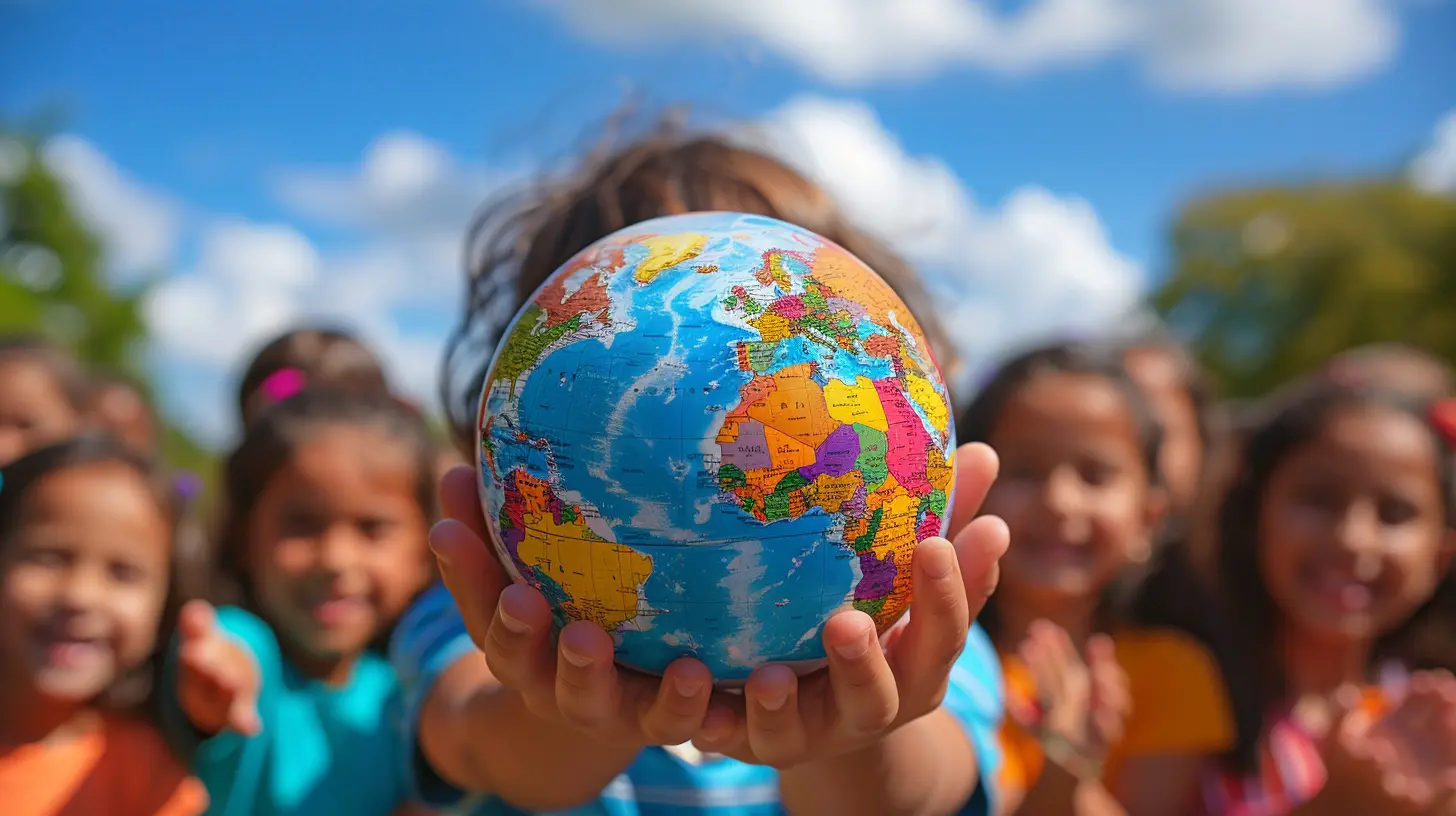
The Future of Civic Education: What Needs to Change?
1. Teaching Critical Thinking and Media Literacy
Students need to be equipped with the tools to assess information critically. This includes:- Identifying reliable sources
- Understanding bias and propaganda
- Differentiating between facts and opinions
With misinformation flooding the internet, media literacy isn’t optional—it’s essential.
2. Emphasizing Global Issues and Interconnectedness
Future civic education must expand beyond national borders. Students should learn about:- Global governance (e.g., the United Nations, international treaties)
- Climate change and sustainability
- Human rights and ethical responsibilities
- The impact of technology on democracy
A well-rounded civic education connects students to the world around them.
3. Encouraging Real-World Civic Engagement
Simply learning about politics isn’t enough—students should be encouraged to participate. Schools can:- Promote volunteerism and community service
- Introduce students to grassroots activism
- Encourage participation in mock legislatures, debates, and model United Nations programs
Active engagement helps students experience democracy in action.
4. Integrating Technology in Civic Learning
Interactive learning tools make civic education more engaging. Some possibilities include:- Gamification – Using simulation games to teach political decision-making
- Virtual reality – Allowing students to experience historical and political events firsthand
- Online discussion forums – Connecting students with peers around the world for global conversations
By leveraging technology, civic education can remain relevant in a digital world. 
The Role of Educators and Policymakers
For these changes to take place, educators and policymakers must rethink traditional approaches to civic education. This includes:- Updating curriculums to include global perspectives
- Providing training for teachers to handle complex political discussions
- Ensuring that civic education is free from political bias
- Promoting policies that support civic engagement among young people
Without institutional support, even the best ideas for civic education reform will struggle to take hold.
Final Thoughts
The world is changing, and civic education must change with it. In a globalized society, students need more than just an understanding of their nation's government—they need the tools to navigate international issues, engage in meaningful discourse, and think critically about the world around them.By embracing digital literacy, fostering open discussions, promoting global awareness, and encouraging civic participation, the future of civic education can create knowledgeable, active citizens ready to tackle the challenges of a connected world.
The question isn’t whether civic education should evolve—the question is how quickly we can make it happen.
all images in this post were generated using AI tools
Category:
Civic EducationAuthor:

Fiona McFarlin