The Connection Between Civic Education and Voter Participation
21 June 2026
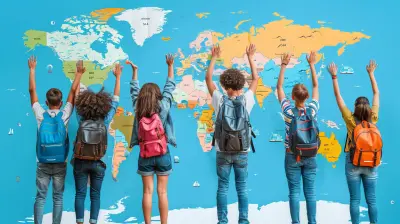
When it comes to a healthy democracy, two things matter the most: an informed electorate and active voter participation. But how do we get there? The answer lies in civic education. When people understand their rights, responsibilities, and the impact of their vote, they’re far more likely to show up at the polls and make informed decisions.
In this article, we’ll break down the link between civic education and voter participation, why it matters, and what we can do to improve both.
What Is Civic Education?
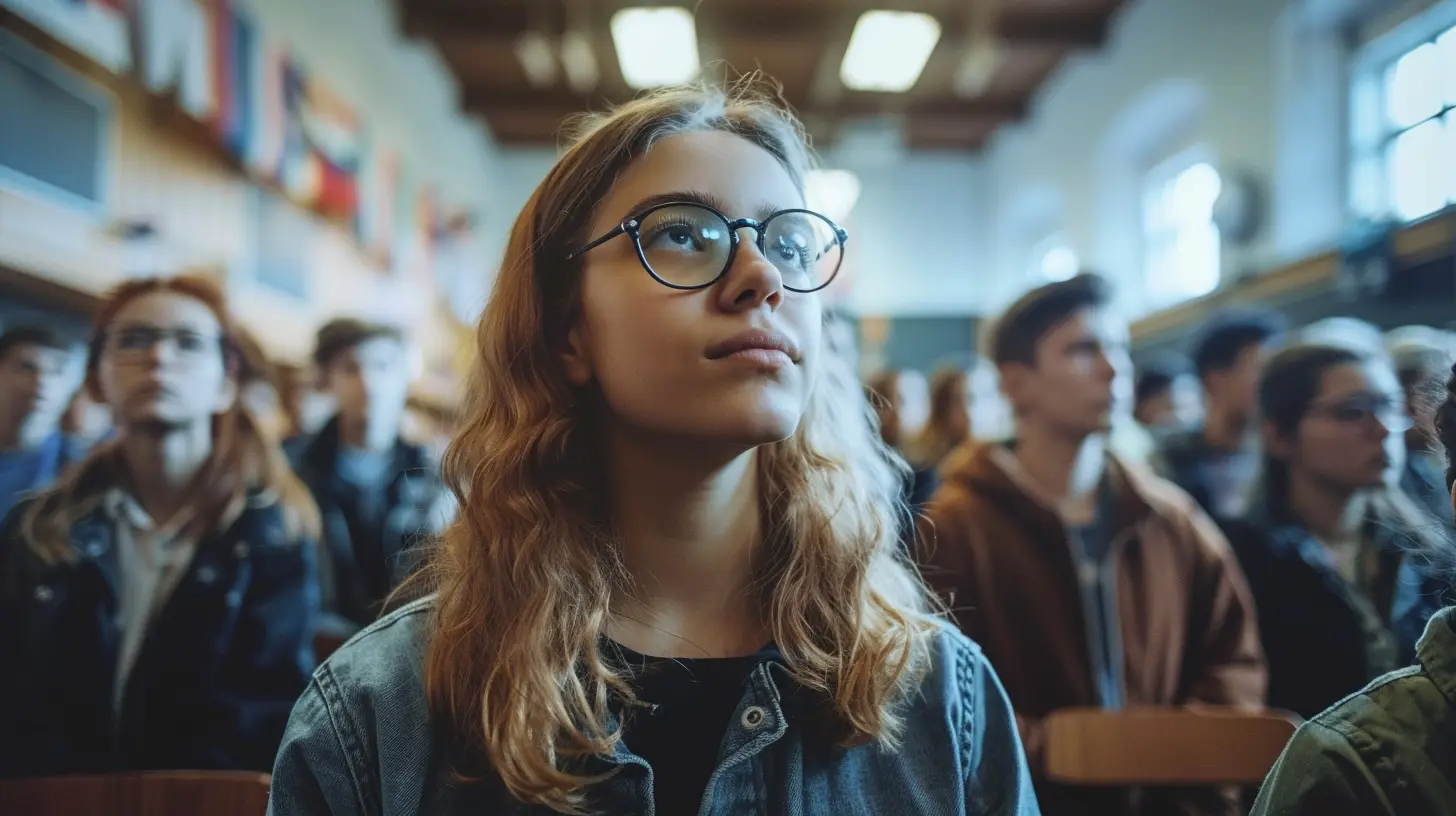
Civic education is all about teaching people—especially students—how government works, why democracy matters, and how they can engage in political life. It’s not just about memorizing facts; it’s about fostering critical thinking, curiosity, and a sense of responsibility toward society.At its core, civic education covers:
- The basics of government structures
- The rights and responsibilities of citizens
- The importance of voting and political participation
- How laws are made and implemented
- Critical thinking about political issues
In short, civic education empowers individuals to be active, informed participants in democracy rather than passive observers.
Why Voter Participation Matters
Voter participation is the foundation of democracy. If people don’t vote, democracy doesn’t function as it should. Elections shape everything from local policies to national laws, and when turnout is low, the voices of many go unheard.Here’s why high voter participation is crucial:
- It ensures that government officials represent the will of the people.
- It leads to policies that reflect the needs of the majority.
- It strengthens democracy and reduces political corruption.
- It fosters a culture of accountability among elected officials.
So, if civic education helps people understand these points, does it actually lead to greater voter participation?
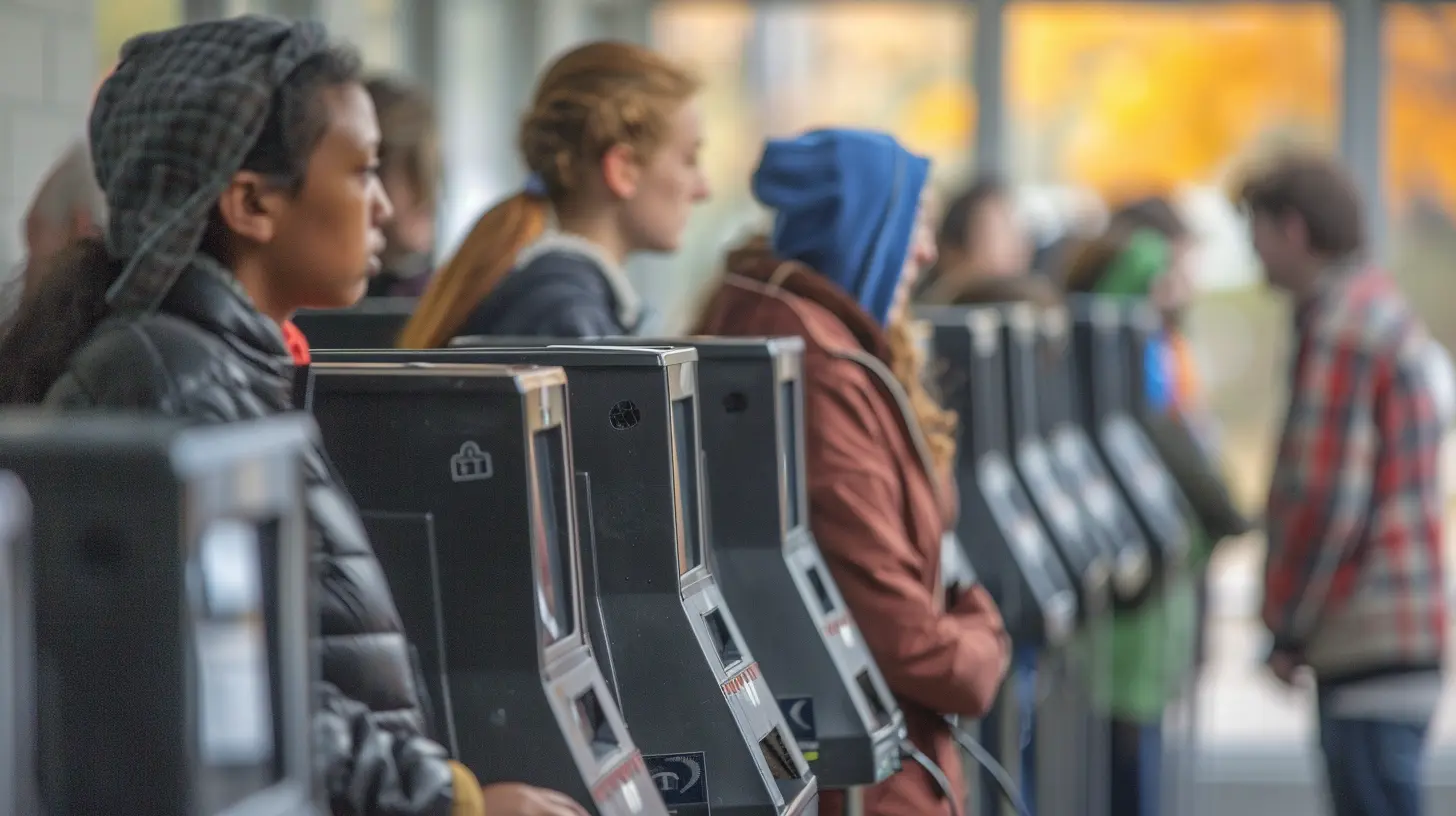
How Civic Education Influences Voter Participation
There’s a direct connection between civic education and voter turnout. When people are educated about their role in democracy, they’re more likely to vote and engage in political discussions. But how exactly does civic education achieve this?1. It Builds Political Awareness
Many people don't vote simply because they don’t feel like they know enough about the system. Civic education eliminates this barrier by teaching individuals how their government works, how policies affect their daily lives, and why every vote matters.Think about it—if you don’t understand how a car works, would you feel confident driving it? The same applies to democracy. Without proper education, the system can seem overwhelming and inaccessible. Civic lessons break it down, making political participation feel more natural and essential.
2. It Encourages Critical Thinking
Politics is complicated. There are conflicting opinions, misleading information, and sometimes outright manipulation. Civic education teaches people how to analyze political messages, fact-check claims, and form their own opinions rather than simply following the crowd.When voters can think critically, they make informed choices instead of voting based on emotion, misinformation, or peer pressure. This leads to elections where the outcomes better reflect what the public truly wants.
3. It Reduces Political Apathy
Many people, especially younger voters, feel like their vote doesn’t matter. They believe that politicians will do whatever they want, regardless of public opinion. But civic education shows them that history proves otherwise.Significant social and political changes throughout history—civil rights movements, voting rights expansions, and policy shifts—have all been driven by civic engagement. When citizens understand their power, they’re less likely to sit out elections and more likely to advocate for change.
4. It Boosts Confidence in the Voting Process
One common reason people skip voting is because they don’t understand the process. How do you register? Where do you vote? What’s the deal with absentee ballots? These logistical challenges can discourage participation.Civic education takes the guesswork out of voting. It teaches individuals how to navigate the electoral system, making it easier for them to participate. When people know exactly what to do, they’re far more likely to show up on election day.
5. It Promotes Engagement Beyond Voting
While voting is a huge part of democracy, it’s not the only form of political engagement. Civic education also encourages citizens to:- Attend town hall meetings
- Contact their representatives
- Join advocacy groups
- Stay informed on political issues
- Participate in peaceful protests
When people develop these habits, they create a culture of continuous political involvement, ensuring that democracy remains vibrant and responsive to the public’s needs.
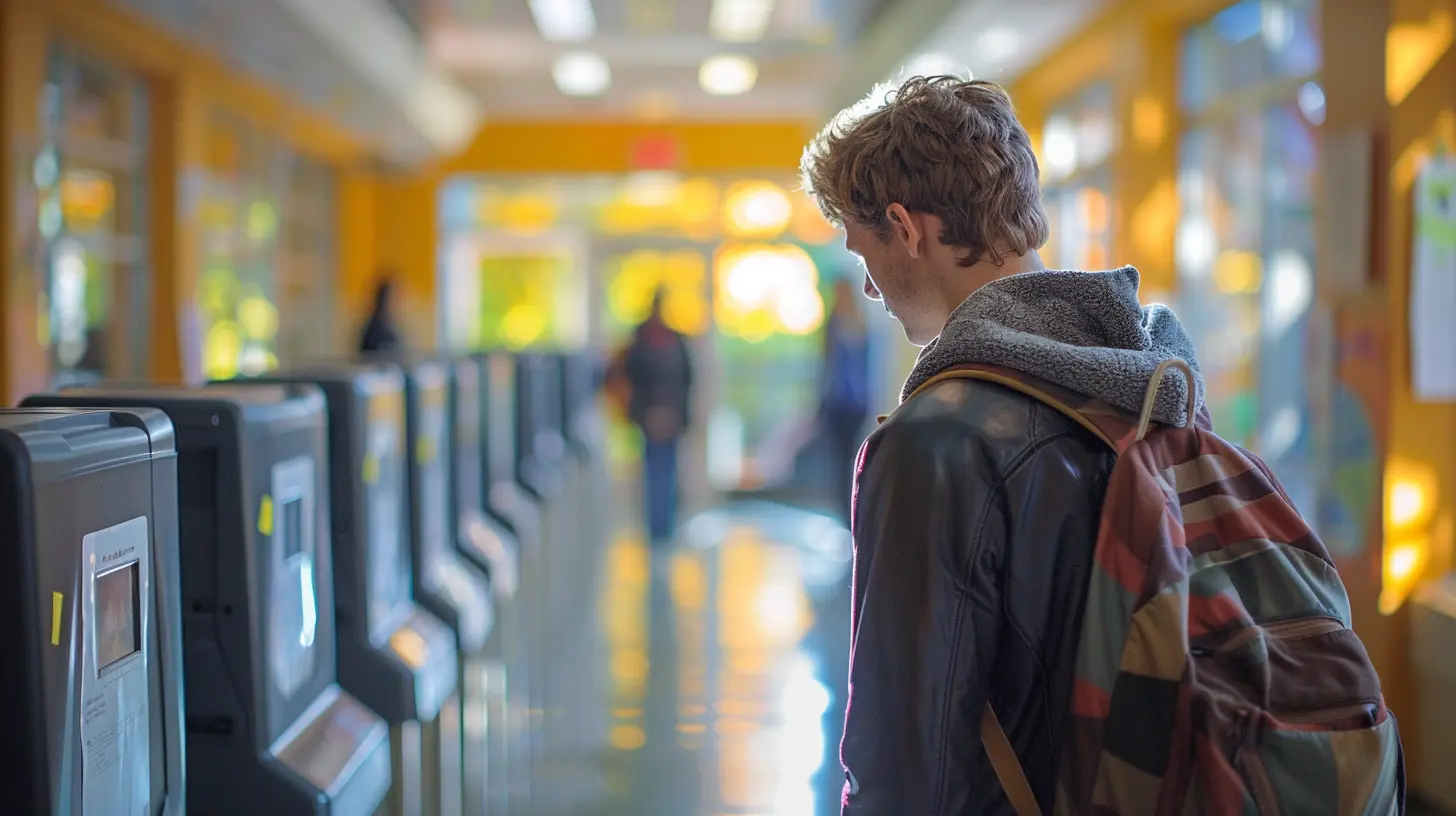
Why Schools Play a Key Role in Civic Education
Most people get their first taste of civic education in school. This means that schools play a crucial role in shaping future voters. However, not all school systems prioritize civic education equally, which can lead to gaps in political knowledge and engagement.Schools Should Teach Voting as a Responsibility
Just like math and science, understanding how democracy works should be a fundamental part of the curriculum. Schools should teach students that voting isn’t just a right—it’s a responsibility.If kids grow up learning the importance of voting, they’re more likely to participate when they become eligible. Classroom discussions, mock elections, and debates can make the topic engaging and practical.
Hands-On Civic Learning Works Best
Studies show that interactive and hands-on approaches to civic education have the most lasting impact. Activities like:- Organizing student government
- Debating real-world political issues
- Simulating elections
- Volunteering in the community
… all help students see democracy in action. The more people practice political engagement early, the more likely they are to continue it into adulthood.
The Role of Media in Civic Education
Schools aren’t the only ones responsible for fostering civic knowledge. The media—news outlets, social media platforms, and influencers—all play a huge role in shaping public understanding of politics.The Problem of Misinformation
In today’s digital age, misinformation spreads faster than ever. Without proper civic education, people are more susceptible to fake news, propaganda, or misleading narratives.A well-educated voter base can critically assess news sources, question information, and avoid being influenced by false narratives. This is why media literacy should be considered a vital part of civic education.
Social Media as a Tool for Engagement
Social media isn’t just for memes and viral challenges—it’s a powerful tool for civic engagement. Platforms like Twitter, Instagram, and TikTok have been used to:- Encourage voter registration
- Inform people about political issues
- Mobilize grassroots movements
- Hold politicians accountable
When used correctly, social media can complement civic education by making political information more accessible and engaging.
How to Improve Civic Education and Voter Participation
If we want to see higher voter participation, we need to invest in better civic education. Here’s how:1. Introduce Civic Education Early
Start teaching civic education in elementary school and build upon it through high school and college. The earlier people learn, the more likely they are to retain that knowledge.2. Make Civic Lessons Practical
Encourage real-world experiences like community service, town hall visits, and mock voting exercises. Learning by doing is far more effective than just reading about democracy in a textbook.3. Encourage Open Political Discussions
People should feel comfortable discussing political issues without fear of judgment. Schools, homes, and workplaces should foster environments where respectful political discussions are encouraged.4. Strengthen Media Literacy
Teach people how to identify credible news sources, fact-check information, and recognize bias in political messaging. This helps create a more informed electorate.5. Simplify the Voting Process
In some places, voting can be complicated. Governments should work toward making voter registration and access to polling stations as simple and accessible as possible.Final Thoughts
Civic education isn’t just about learning how government works—it’s about empowering people to take action and make their voices heard. When people understand their rights, responsibilities, and role in democracy, they’re far more likely to participate in elections.If we want a future with stronger voter turnout and more engaged citizens, we need to prioritize civic education at every level of society. After all, democracy only works when everyone takes part.
all images in this post were generated using AI tools
Category:
Civic EducationAuthor:

Fiona McFarlin
Discussion
rate this article
1 comments
Maria McTigue
This article highlights an essential link between civic education and voter turnout. Understanding civic duties empowers individuals to engage in democracy, fostering a more informed electorate and strengthening our society as a whole.
June 22, 2026 at 3:52 AM
Fiona McFarlin
Thank you for your insight! I'm glad you found the connection between civic education and voter turnout compelling. It's crucial for building an engaged and informed society.