Teaching Students to Be Creators, Not Just Consumers
13 February 2026
Have you ever asked yourself what education is really for? Is it just about learning facts, passing tests, and following instructions? Or is it about something more—like inspiring the next generation to build, create, and innovate? In today’s fast-paced, tech-driven world, teaching students to be creators, not just consumers, is more important than ever.
It's time we shift from the traditional classroom model where students are passive recipients of information. Instead, let’s ignite their imagination, give them tools to express themselves, and encourage them to shape the world around them.

Why the Shift from Consumer to Creator Matters
Let’s face it—most students are already experts at consuming. They scroll through social media, watch videos, play games, and follow trends. But how many are actually creating? Not just doodling in the margins of a notebook, but building something from scratch—writing stories, coding apps, launching podcasts, designing graphics?When we empower students to move from consuming to creating, we’re doing way more than just teaching a skill. We’re giving them agency. We’re saying, “Hey, your voice matters. Your ideas matter. And yes, you can make something that impacts others."
That’s powerful stuff.

The Digital World Needs Makers, Not Just Takers
The 21st century belongs to the creators—the ones who build apps, design products, launch YouTube channels, start nonprofits, and write code. These innovators shape the future.But if we only teach students to follow instructions, memorize content, and regurgitate information, we’re not preparing them for that future. We’re prepping them for a world that’s already outdated.
We need students who don’t just use technology—they design it. Who don’t just watch content—they produce it. Who don’t just follow trends—they set them.
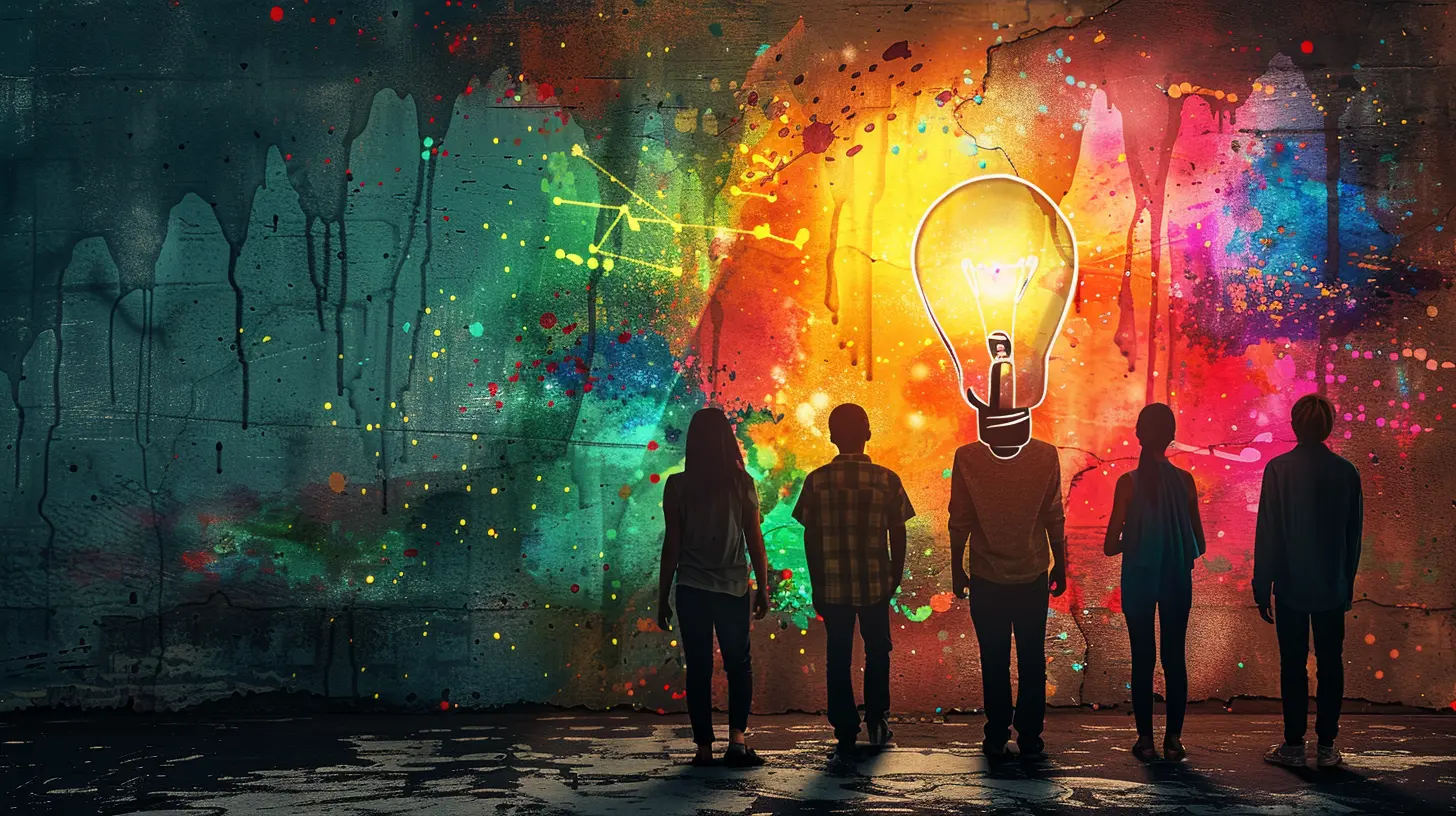
Creativity Is a Muscle—Let’s Use It!
Think about creativity like a muscle. If you don't use it, it weakens. But with regular use? It grows stronger and more flexible.Kids are naturally curious and imaginative. But somewhere along the way, school can condition them to look for the “right answer” instead of asking new questions. We’ve got to flip the script.
Give students the freedom to experiment, make mistakes, and think outside the box. Innovation lives at the edges of uncertainty.
Encouraging a Creator Mindset in the Classroom
So how exactly do we get students to start creating instead of just consuming? It’s not about tossing out the curriculum or reinventing the wheel—it’s about infusing creativity into what we already do.Here are some simple, practical ways:
1. Project-Based Learning (PBL)
This is a game-changer. PBL encourages students to work on real-world problems by applying what they’ve learned. Whether it’s designing a prototype, making a documentary, or organizing a community event, students get to explore, question, and build.It’s messy. It’s unpredictable. But it’s how real learning happens.
2. Let Them Publish Their Work
Think about how much time students spend writing essays that only one person—the teacher—will ever read. What if they wrote for a blog or started a YouTube channel? What if their presentations were shared at a school-wide showcase?When students know their work has a real audience, the quality (and the effort) shoots up. Suddenly, they care more. Because it matters more.
3. Integrate Technology Meaningfully
Using tech doesn’t mean just playing games or clicking through slides. Real tech integration means teaching students to code, edit videos, design websites, or create podcasts.Give them tools to tinker and explore. They’ll surprise you—promise.
4. Celebrate Risk-Taking and Failure
Let’s be real—not every creation will be a masterpiece. And that’s okay.Creating involves risk. Things go wrong. Code breaks. Projects flop. But each failure is a stepping stone to mastery.
As educators, we should reward effort, experimentation, and perseverance. When students see failure as part of the journey—rather than the end of it—they become fearless creators.
5. Offer Choice and Voice
Nobody likes being micromanaged, least of all students. Give them choices. Let them decide how they want to demonstrate learning. One might build a website. Another might record a podcast. Someone else might write a short story.When students bring their own voice into their work, you’re not just teaching content—you’re cultivating identity.
The Role of Teachers as Creative Mentors
Let’s not kid ourselves—this shift doesn’t happen automatically. It starts with us.Teachers aren’t just dispensers of information anymore. We’re coaches, mentors, and facilitators. We create the conditions where creativity can flourish.
No, you don’t need to be a tech expert or an artist. You just need to be curious, open, and willing to learn alongside your students.
Model creativity. Ask big questions. Reflect openly when things don’t go as planned. Your students will follow your lead.
Real-Life Examples of Student Creation
Need a little inspiration? Here are just a few awesome things students have created when given the chance:- A group of middle schoolers launched a mental health awareness campaign on social media—and reached thousands.
- High school students designed a mobile app to help elderly citizens track their medication.
- Third graders wrote and illustrated a book about local wildlife, which is now available in their town’s library.
- A student-led YouTube channel covers everything from SAT tips to interview advice—and now has over 10k subscribers.
The potential is there. They just need the spark.
The Long-Term Payoff: Lifelong Learners & Innovators
When students learn to create, they don’t just gain technical skills. They develop grit, resilience, and a growth mindset. They learn to collaborate, communicate, and think critically.These aren’t just “school skills.” These are life skills.
Regardless of their future careers—whether they become engineers, activists, artists, or entrepreneurs—those creative muscles will serve them well.
We’re not just raising good students. We’re growing future problem-solvers and trailblazers.
You Don’t Need Fancy Tools to Start
You might be thinking, “This all sounds great, but I don’t have a fancy makerspace or state-of-the-art tech.”Good news: You don’t need it.
Creativity starts with intention. A cardboard box can become a robot. A journal can turn into a script. A smartphone can film a movie. It’s not about the tools—it’s about the mindset.
And sometimes, limitations fuel even more creativity.
Building a Culture of Creation
This isn’t a one-and-done deal. To truly shift students into creators, we’ve got to build a culture that values originality over conformity, questions over answers, and process over product.Here’s how:
- Encourage curiosity daily – Make room for wonder.
- Make time for reflection – Let students explore what worked and what didn’t.
- Foster collaboration – Great things happen in teams.
- Highlight student work – Put it on display, share it, celebrate it.
- Stay flexible – Let go of perfection and enjoy the messy beauty of learning.
Final Thoughts: The World Needs Dreamers Who Do
At the end of the day, education should be about more than test scores and checkboxes. It’s about giving students the tools to shape their own future—to be architects of their own destiny.We’re living in a golden age of opportunity. Anyone can publish a book, build an app, launch a brand, or start a movement. But only if they believe they can.
So let’s teach them. Inspire them. Champion them.
Let’s raise creators, not just consumers.
all images in this post were generated using AI tools
Category:
Creativity In EducationAuthor:

Fiona McFarlin
Discussion
rate this article
2 comments
Ranger Valentine
This article sparks such intrigue! How can we effectively cultivate creativity in students? What innovative strategies can educators adopt to encourage them to think and create beyond consumption?
February 25, 2026 at 11:27 AM
Fiona McFarlin
I'm glad you found it intriguing! To cultivate creativity, educators can encourage project-based learning, incorporate interdisciplinary approaches, and promote a growth mindset. Allowing students to explore their interests and providing flexible environments can also inspire creative thinking.
Zylith Hensley
Let’s turn those TikTok scrolls into masterpieces!
February 15, 2026 at 3:45 AM
Fiona McFarlin
Absolutely! Let's inspire creativity and empower students to transform their digital engagement into meaningful artistic expression.