Investigating the Phases of the Moon with Oreo Cookies
30 March 2026
Have you ever looked up at the night sky and noticed how the Moon seems to change shape? One night it’s a glowing full circle, and a few nights later, it’s just a thin crescent. What’s going on up there? Well, the Moon goes through a cycle known as the lunar phases, and here’s the best part—you can recreate these phases right in your kitchen using Oreo cookies!
Yes, you read that right. Those delicious chocolate and cream-filled treats can help explain one of the most fascinating celestial events. So grab a pack of Oreos (and be prepared to sneak a few bites), because we’re about to investigate the phases of the Moon in the tastiest way possible.
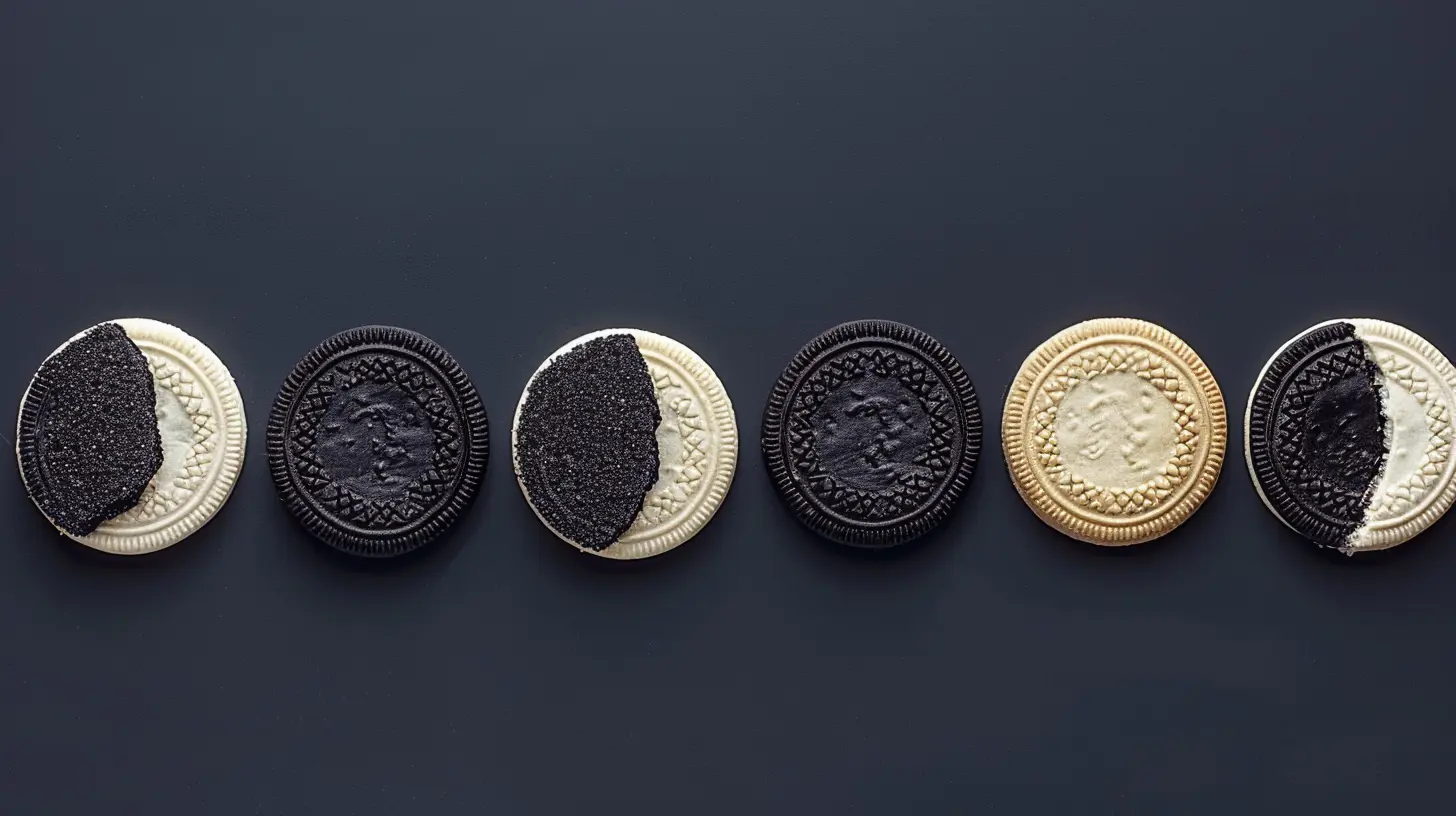
What Causes the Phases of the Moon?
Before we dive into the Oreo activity, let’s get a quick understanding of why the Moon changes shape. The Moon doesn’t actually shrink or grow; it just looks different because of how sunlight hits it as it orbits Earth.Here’s a simple way to think about it: Imagine you’re standing in a dark room with a flashlight and a basketball. If you shine the flashlight straight at the basketball from the front, you’ll see the whole thing lit up—that’s like a full moon. But if you slowly move the flashlight around, different parts of the ball will light up while others remain dark. This is exactly what happens with the Moon as it moves around Earth.
The cycle from new moon to full moon and back again takes about 29.5 days, and there are eight distinct phases. Now, let’s see how Oreo cookies can help us understand these phases. 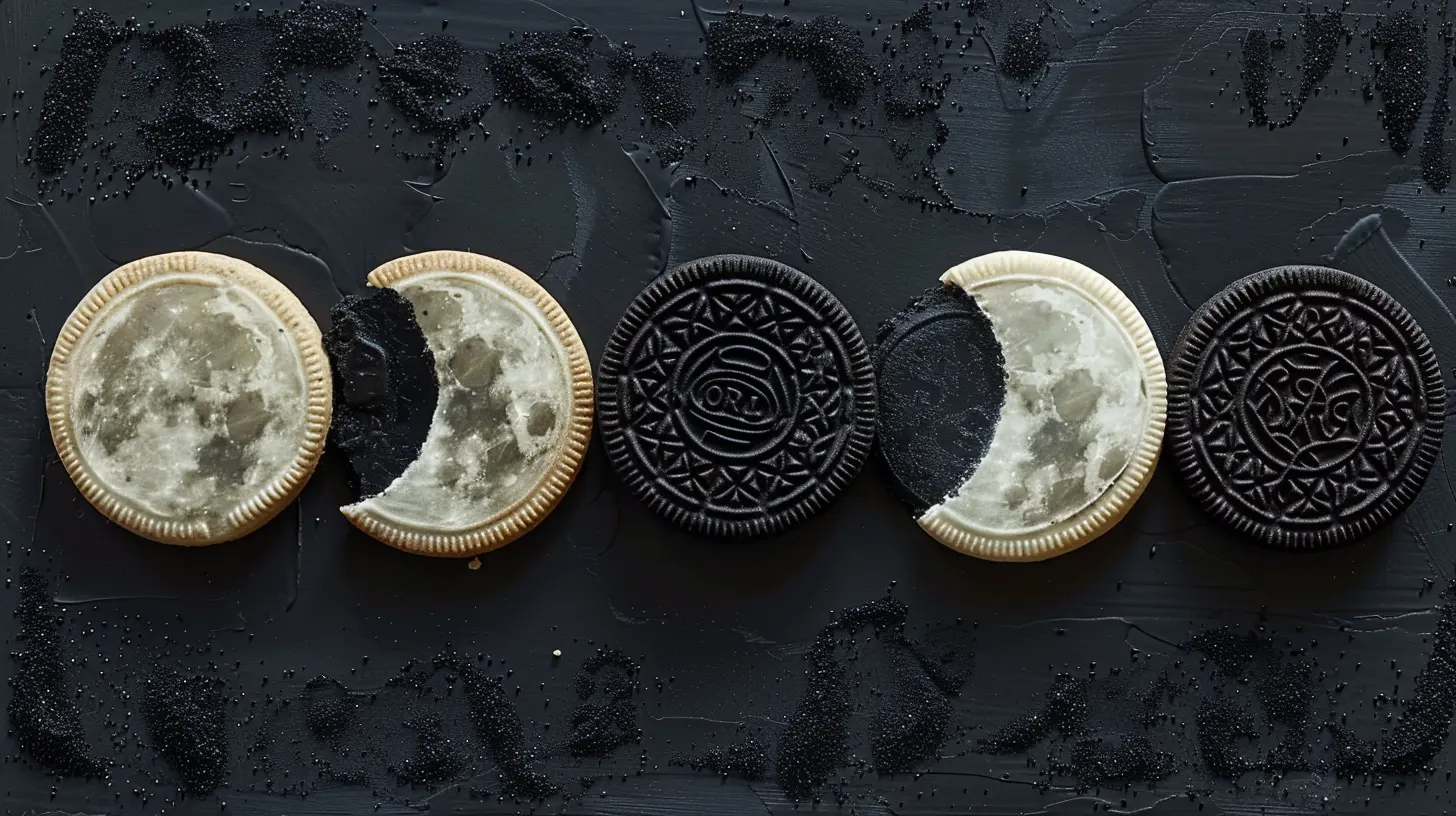
The 8 Phases of the Moon Using Oreos
To do this activity, you’ll need:- 8 Oreo cookies (or more, if you snack along the way!)
- A butter knife or spoon to scrape off the cream
- A plate to display your Moon phases
- A little patience (but trust me, it’s worth it!)
Now, let’s break it down phase by phase.
1. New Moon 🌑
This is the start of the Moon’s cycle. During this phase, the Moon is positioned between the Earth and the Sun, so the side facing us is completely dark.🛠 Oreo representation: Leave the cookie untouched—no cream showing at all!
2. Waxing Crescent 🌒
“Waxing” means growing. This is when a small sliver of the Moon starts to appear on the right side.🛠 Oreo representation: Scrape off most of the cream, leaving just a thin crescent on the right edge.
3. First Quarter 🌓
The Moon is now one-quarter through its cycle, and half of it is illuminated. This phase is often called a half-moon.🛠 Oreo representation: Scrape off exactly half the cream from one side.
4. Waxing Gibbous 🌔
The Moon is now more than half lit, but not yet full. "Gibbous" just means bulging—fancy, right?🛠 Oreo representation: Leave only a small dark edge on the left side.
5. Full Moon 🌕
The entire face of the Moon is visible. This is the brightest phase, and it’s when the Moon lights up the sky like a giant nightlight.🛠 Oreo representation: No scraping needed! Just admire the full, creamy goodness.
6. Waning Gibbous 🌖
"Waning" means shrinking. The Moon starts to darken again, with a small shadow appearing on the right side.🛠 Oreo representation: Scrape away a thin layer of cream on the right.
7. Last Quarter 🌗
We’re now three-quarters through the cycle. Half of the Moon is still visible, but it’s the opposite side from the First Quarter.🛠 Oreo representation: Scrape off half of the cream—but this time, the opposite side from before!
8. Waning Crescent 🌘
Almost back to the start! The Moon is now just a thin sliver again, but this time on the left side.🛠 Oreo representation: Leave only a small crescent of cream on the left edge. 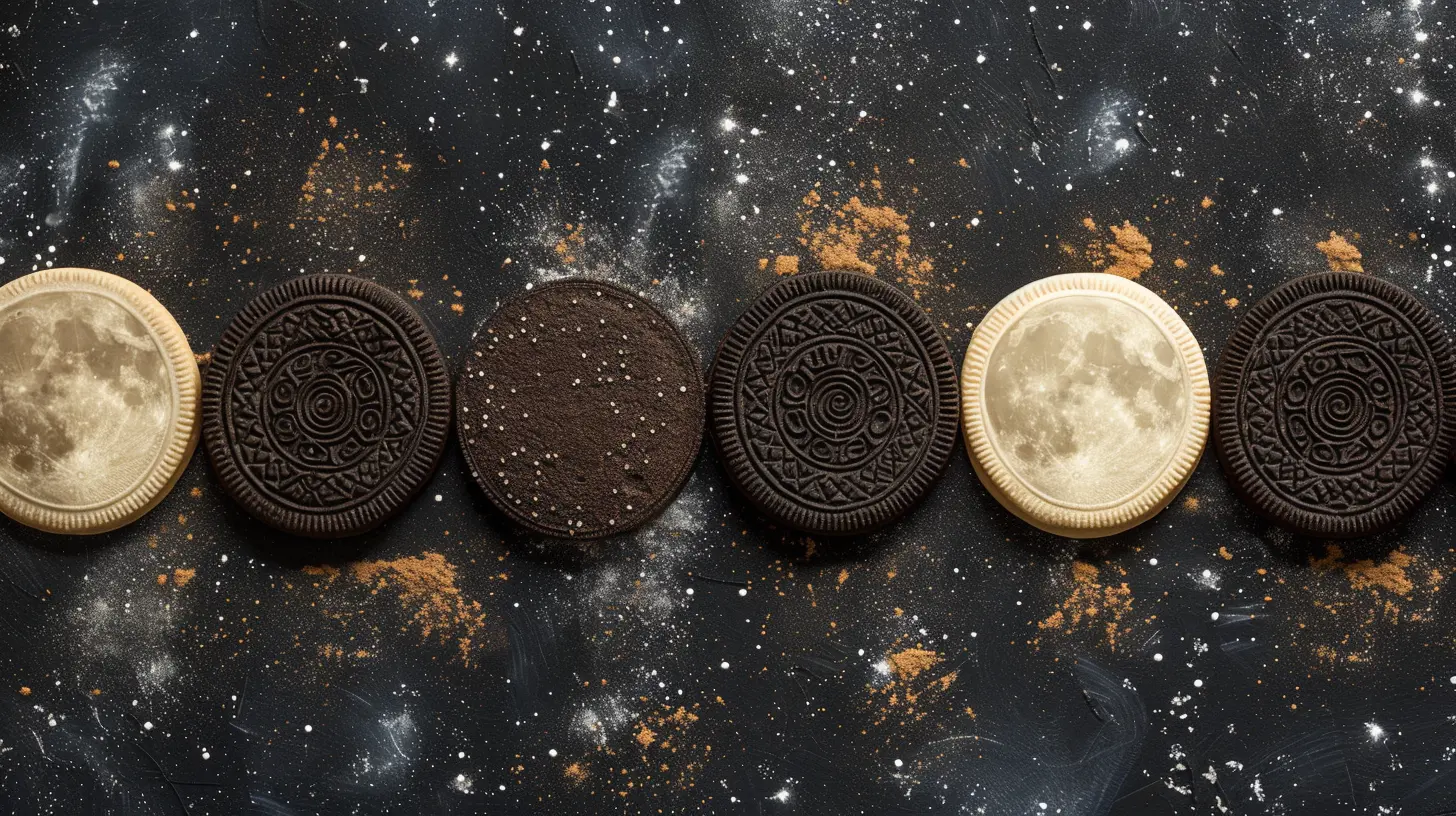
Why This Oreo Activity Works
This hands-on activity is a fantastic way to visualize the Moon’s changing appearance. By actually scraping away parts of the cookie, you can see how the Moon appears to wax and wane throughout the month.Plus, Oreo cookies just make everything more fun—science and snacks, what’s not to love? 
Fun Facts About the Moon’s Phases
Now that you’ve mastered the Oreo Moon, let’s sprinkle in some extra cool Moon facts:🌕 A “Blue Moon” isn’t actually blue – It's just the name given to the second full moon in a month.
🌗 You always see the same side of the Moon – Because of a phenomenon called synchronous rotation, the same half of the Moon always faces Earth.
🌑 There’s no “dark side” of the Moon – Every part of the Moon gets sunlight, but we only ever see one side from Earth.
🌘 The Moon affects Earth's tides – The gravitational pull from the Moon causes ocean tides to rise and fall.
Bringing It All Together
The Moon is one of the most fascinating objects in our sky, and now you can recreate its changing phases with just a few delicious cookies. Whether you’re looking for a cool science project, an engaging classroom activity, or just an excuse to eat Oreos (no judgment here!), this is a great way to deepen your understanding of the lunar cycle.So, next time you glance up at the Moon, you’ll know exactly what phase it’s in—and maybe you’ll think of Oreos while you do!
🌕➡️🌗➡️🌑➡️🌒➡️🌕... and repeat!
Happy snacking and stargazing!
all images in this post were generated using AI tools
Category:
Science ExperimentsAuthor:

Fiona McFarlin
Discussion
rate this article
2 comments
Heidi McQuaid
This article provides a fun and creative approach to teaching the phases of the Moon using Oreo cookies. The hands-on activity engages students and makes learning about lunar cycles both enjoyable and memorable. A perfect blend of education and creativity!
April 2, 2026 at 3:28 AM
Fiona McFarlin
Thank you! I'm glad you enjoyed the creative approach to teaching lunar phases with Oreo cookies. Engaging students in fun ways enhances their learning experience!
Mary McKinstry
This article creatively simplifies lunar phases for students using Oreos. It’s an engaging hands-on approach that makes learning fun and memorable. Perfect for educators looking to inspire curiosity in astronomy!
March 30, 2026 at 2:42 AM
Fiona McFarlin
Thank you for your kind words! I'm thrilled to hear that the Oreo approach resonates with educators and makes learning about lunar phases enjoyable for students!