Inclusive Education and the Role of Social-Emotional Learning
12 July 2026
Let’s talk about something that’s shaping the future of education in a big way—inclusive education and the role of social-emotional learning (SEL). Sounds fancy, right? But don’t worry; we’re going to break it down to the basics, and by the end of this article you’ll wonder why this approach hasn’t been the norm all along.
We’ll dive into what inclusive education really means, why it matters so much, and how SEL fits into the big picture. Whether you're a teacher, parent, student, or just curious about the world of education—this article’s for you.
What is Inclusive Education Anyway?
Let’s start with the basics.Inclusive education means every student, regardless of their background, ability, or learning style, gets to learn in the same classroom together. No more "special" rooms, separate tracks, or isolating students because they learn a little differently.
In a truly inclusive classroom, everyone belongs—students with disabilities, language barriers, emotional struggles, or even those who learn faster than the rest. It’s all about giving each child what they need to succeed, not making them fit into a one-size-fits-all box.
Think of it like cooking a meal for friends with different dietary needs. You wouldn’t make one dish and expect everyone to eat it—you’d tweak it so it works for all. That’s inclusion.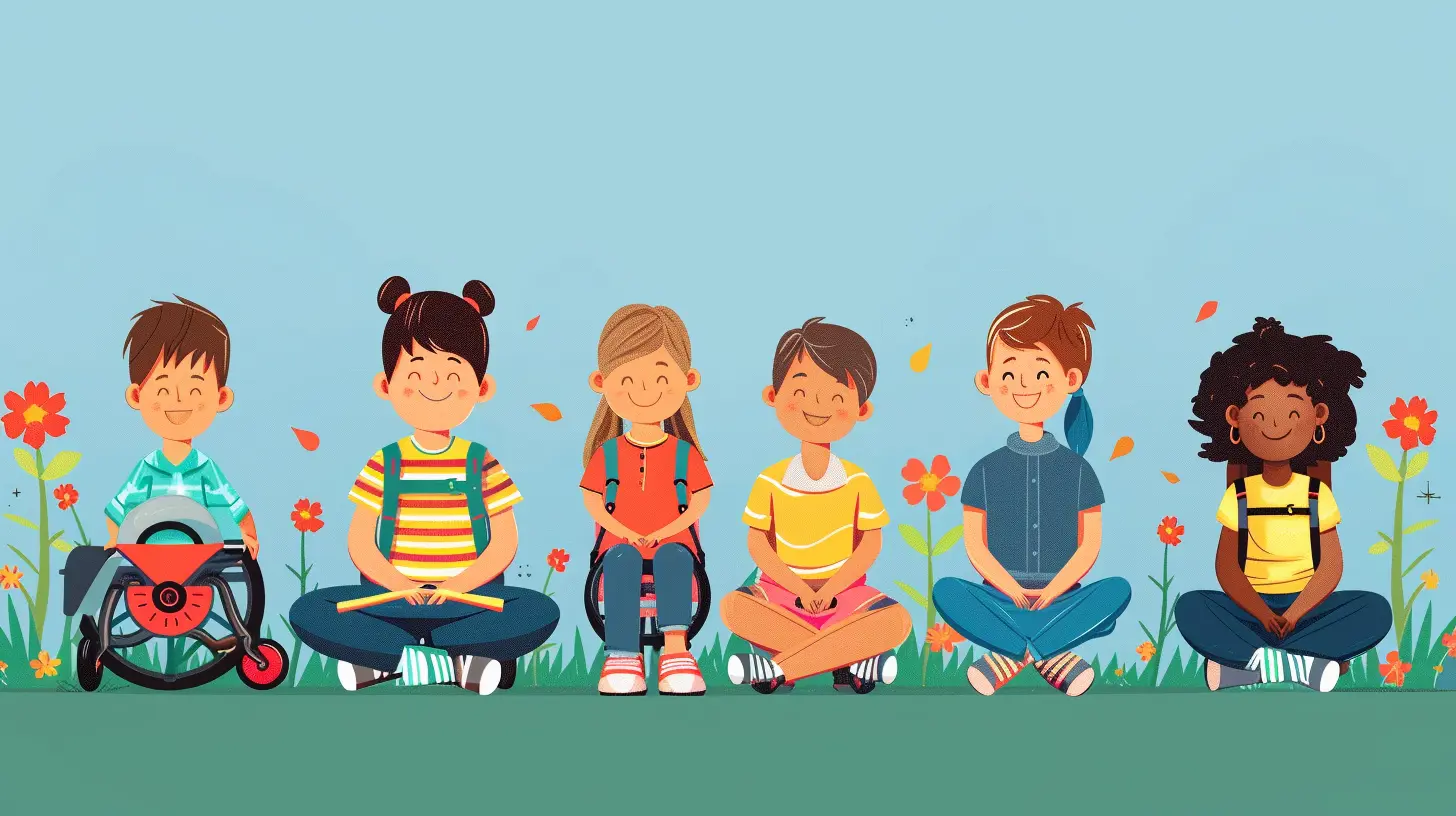
Why Should We Care About Inclusive Education?
Now here’s a rhetorical question for you—why shouldn’t we care?Inclusive education isn’t just a "nice-to-have." It’s a human right and a step toward creating a more understanding, empathetic, and diverse society.
Here’s the thing: when kids grow up in inclusive environments, they learn way more than math and science. They pick up social cues, empathy, patience, and collaboration. These are life-long skills that go way beyond the classroom.
Also, let’s remember that inclusion doesn’t just benefit students with disabilities or special needs—it helps everyone. When educators tailor their teaching methods and foster emotional intelligence, every student wins.
Enter: Social-Emotional Learning (SEL)
So, where does social-emotional learning come in? Right at the center.Social-emotional learning is exactly what it sounds like—teaching students how to manage emotions, build relationships, make decisions, and understand themselves and others.
It includes five core competencies:
1. Self-awareness
2. Self-management
3. Social awareness
4. Relationship skills
5. Responsible decision-making
You see how these tie directly into an inclusive classroom, right? If students are emotionally aware and understand themselves and others better, inclusion becomes second nature.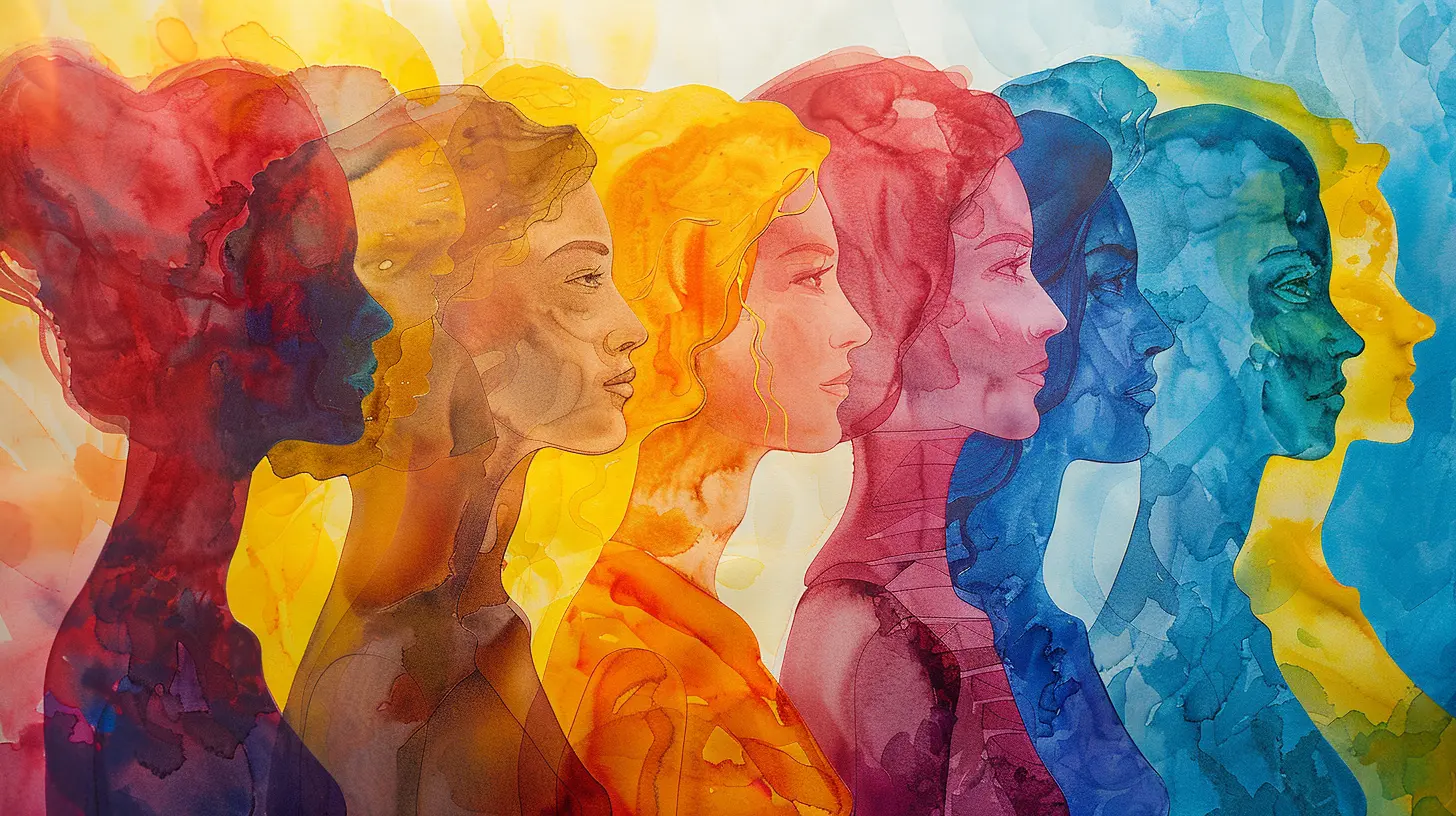
How SEL Drives Inclusion
Let’s imagine a third-grade classroom...A student named Sam has ADHD and can’t sit still for long. Another student, Maya, has recently moved from another country and doesn’t speak the language fluently yet. Now, without SEL, their classmates might see these students as "different" or "difficult."
But with SEL in the mix, things shift. Students are taught to recognize their own emotions (“I’m feeling frustrated because Sam’s moving a lot”), understand others’ perspectives (“Maya’s learning a new language; that must be tough”), and manage social situations with empathy and patience.
SEL builds bridges. It creates a foundation where acceptance replaces judgment. That’s the magic of SEL in inclusive education—it turns diversity into richness, not a problem to fix.
The Teacher's Role in Inclusive Classrooms with SEL
Let’s be real—teachers are superheroes.In an inclusive, SEL-informed classroom, the teacher becomes more than just an information dispenser. They’re facilitators of emotional growth, community builders, and adaptors of content for all learners.
Here’s what they do:
- Use flexible teaching methods (visuals, hands-on activities, storytelling).
- Recognize diverse learning needs and adjust the pace accordingly.
- Foster a safe space where all opinions and feelings are valid.
- Encourage students to reflect, share, and listen to each other.
- Model empathy and self-regulation.
No pressure, right? But with proper support, training, and tools, it’s totally doable—and incredibly rewarding.
SEL Isn't Just for Kids—It Starts with Adults Too
Here’s a curveball you might not expect: SEL doesn’t work if the adults in the room ignore their own emotional health.Teachers, parents, administrators—they all need SEL too. Why? Because you can’t pour from an empty cup. If we expect adults to help kids manage emotions, they need to understand and regulate their own.
Professional development that includes adult SEL has been shown to improve teacher well-being, reduce burnout, and boost connection with students. When adults are calm and connected, their classrooms follow suit.
Real-Life Examples of Success
Still skeptical? Let’s look at a few real-world success stories.1. Finland’s Education System
Yep, the education powerhouse we all hear about. Finland emphasizes inclusion and SEL heavily. Instead of high-stakes testing and rigid structures, students get personalized attention, emotional support, and collaborative learning.Guess what? The results speak for themselves—high academic performance, low dropout rates, and strong student well-being.
2. The CASEL Framework in U.S. Schools
Thousands of schools across the U.S. are using SEL frameworks from the Collaborative for Academic, Social, and Emotional Learning (CASEL). These programs integrate SEL into daily activities, classroom management, and curriculum planning.In schools that apply SEL well, there’s been significant improvement in academic achievement, reductions in bullying, and better classroom behavior.
The Long-Term Impact of Inclusive SEL Education
What happens when students grow up in classrooms that value emotions and inclusivity?They become adults who can:
- Handle challenges without falling apart.
- Work cooperatively with people from all backgrounds.
- Stand up against discrimination and injustice.
- Be self-aware and emotionally intelligent.
We’re not just shaping learners—we’re shaping future citizens, leaders, parents, and colleagues. That’s the real power of inclusive education combined with SEL.
Challenges and Roadblocks
Let’s not sugarcoat it—it’s not always easy.Here are a few hurdles schools face:
- Lack of training for educators.
- Resistance from traditional teaching mindsets.
- Time constraints with overloaded curricula.
- Funding issues for inclusive resources and SEL programs.
But these are not deal-breakers. With proper policy support, community involvement, and prioritization, these obstacles can be overcome. The long-term benefits far outweigh the initial effort.
What You Can Do Right Now
You don’t have to be a school official or policymaker to make waves.Here’s how you can promote inclusive education and SEL in your world:
- If you’re a teacher, start incorporating simple SEL practices—morning check-ins, emotion wheels, or reflective journaling.
- If you’re a parent, talk about emotions openly with your kids and encourage empathy.
- If you’re a student, be curious and inclusive—reach out to classmates who may seem different or left out.
- If you’re in leadership, push for training and programs that support both inclusion and SEL.
Every little step ripples out. Creating compassionate, inclusive learning spaces is everyone’s job.
Final Thoughts: It’s More Than Just a Trend
Inclusive education and social-emotional learning aren’t just hot topics—they’re the tools we need to build a better, kinder, more equitable world. This isn’t about making students "fit into the system"—it’s about reshaping the system to fit the students.When we pair inclusion with SEL, we’re not just changing classrooms—we’re changing lives. And honestly? That’s the kind of education the world needs right now.
all images in this post were generated using AI tools
Category:
Inclusive EducationAuthor:

Fiona McFarlin