Inclusive Education and the Power of Student Voice
11 August 2026
Let’s be honest—when you hear the phrase “inclusive education,” what pops into your mind? Maybe a classroom with students from all walks of life? Maybe ramps instead of stairs? Or perhaps varying learning methods for different abilities?
Well, you’re not entirely off, but hold onto your coffee—because inclusive education is a lot more than that. It’s not just about making room at the table; it’s about giving every student a fork, a plate, and most importantly—a voice.
So let’s dive deep (but not too deep—we’re not here to bore you) into the world of inclusive education and why the student voice is the secret sauce we're all sleeping on.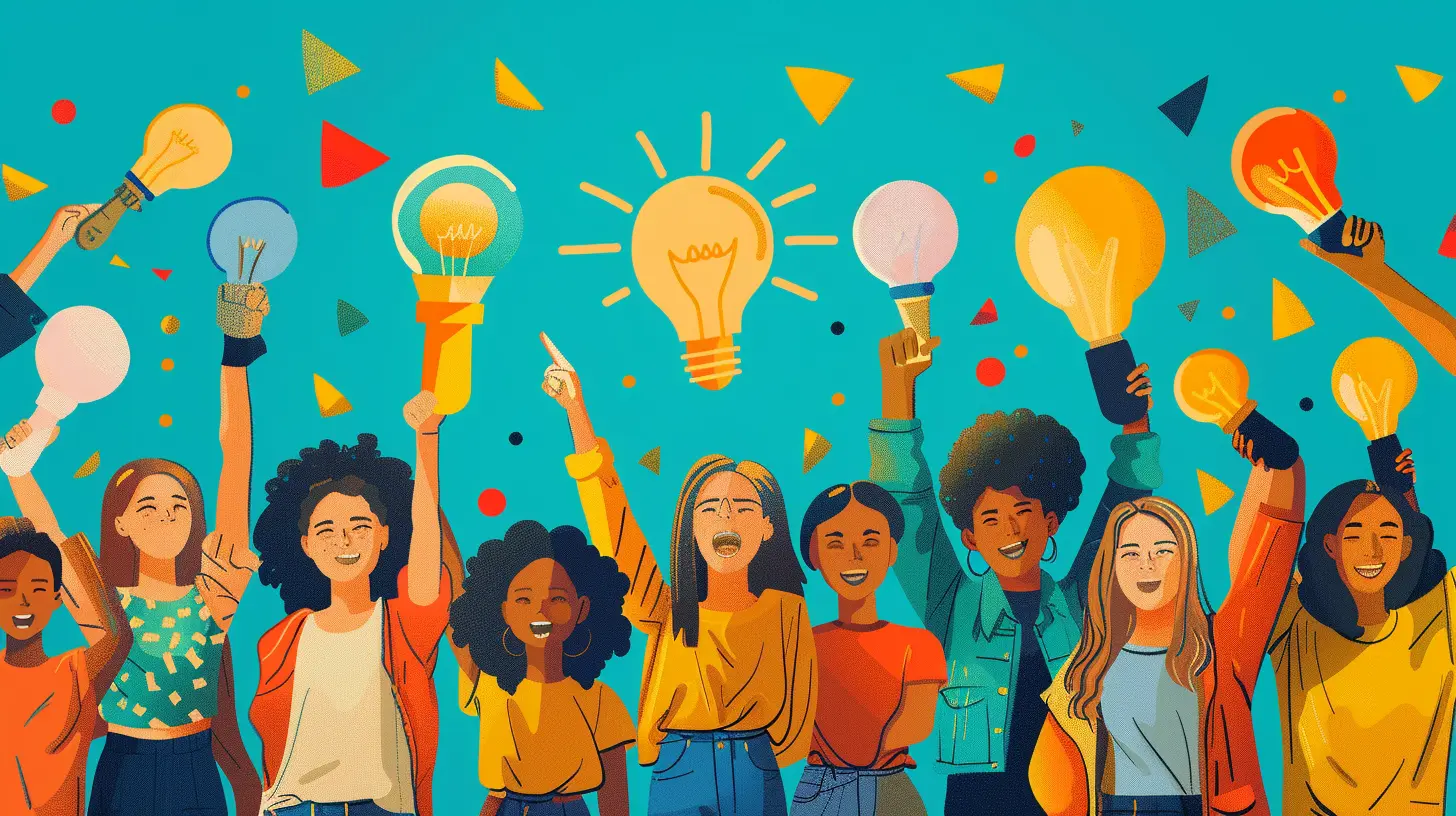
What Exactly Is Inclusive Education?
No fluff. No jargon.Inclusive education means every student, regardless of their abilities, background, gender, race, sexual orientation, or learning style, gets the full educational experience. It’s not a "nice to have." It’s a right.
We're talking about classrooms where:
- Students with disabilities learn alongside their peers
- Cultural and linguistic diversity is celebrated (not just tolerated)
- Teaching styles shift from one-size-fits-all to “Hey, what works best for you?”
- Differences aren’t just accepted—they’re embraced like long-lost friends
It’s like moving from black-and-white TV to full-blown 4K Ultra HD. Everything becomes clearer, richer, and way more engaging.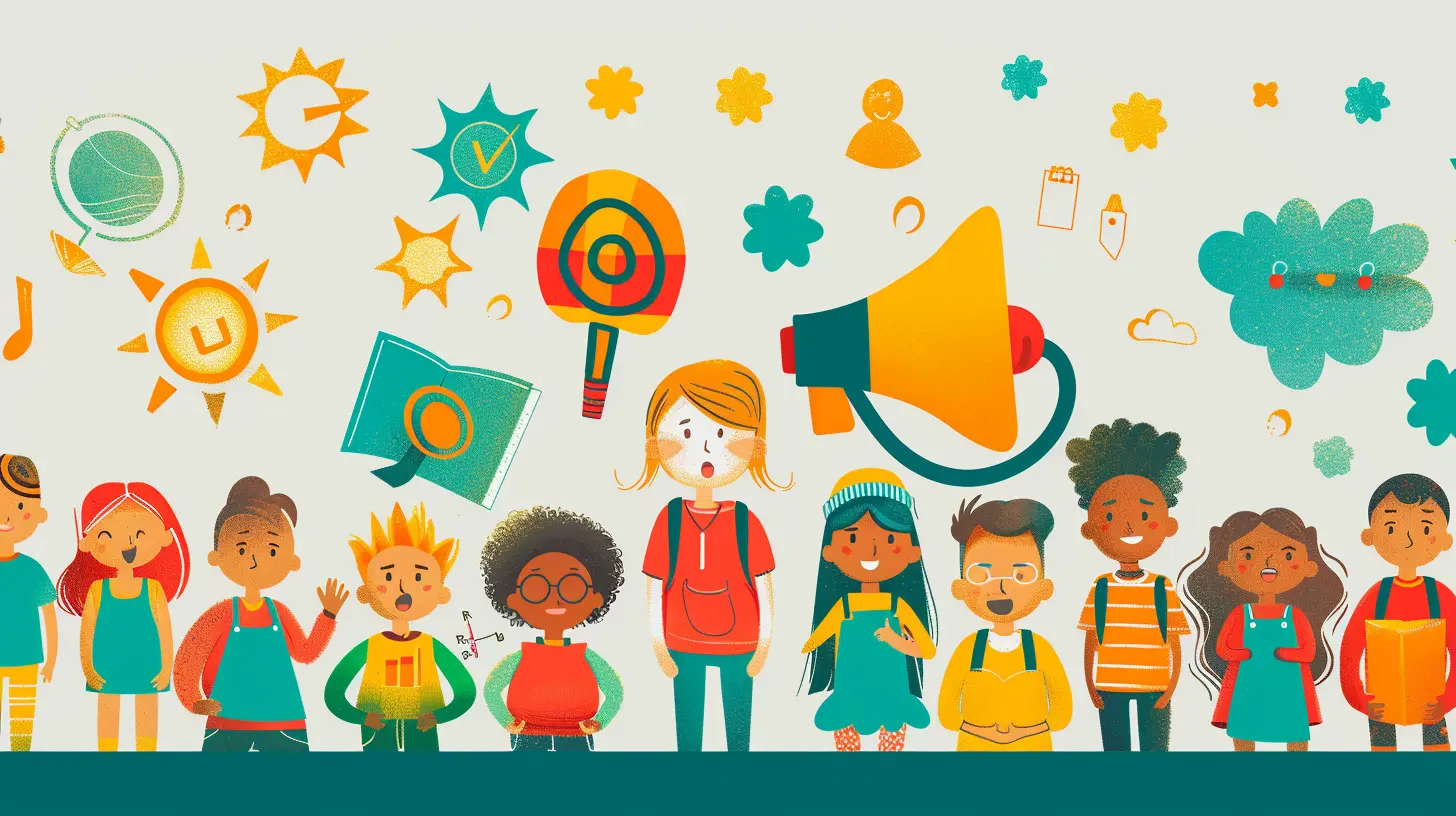
So... What’s This Student Voice Thing?
Student voice is basically giving students a megaphone (figuratively… unless you’re cool with actual megaphones) and asking them:- What’s working for you?
- What’s not?
- How do YOU want to learn?
It flips the script. Instead of students being passive recipients, they become co-creators of their learning journey.
Think of it like a band. The teacher might be the lead guitarist, but the students? They’re the drums, the bass, the vocals—even the crowd that makes the show unforgettable.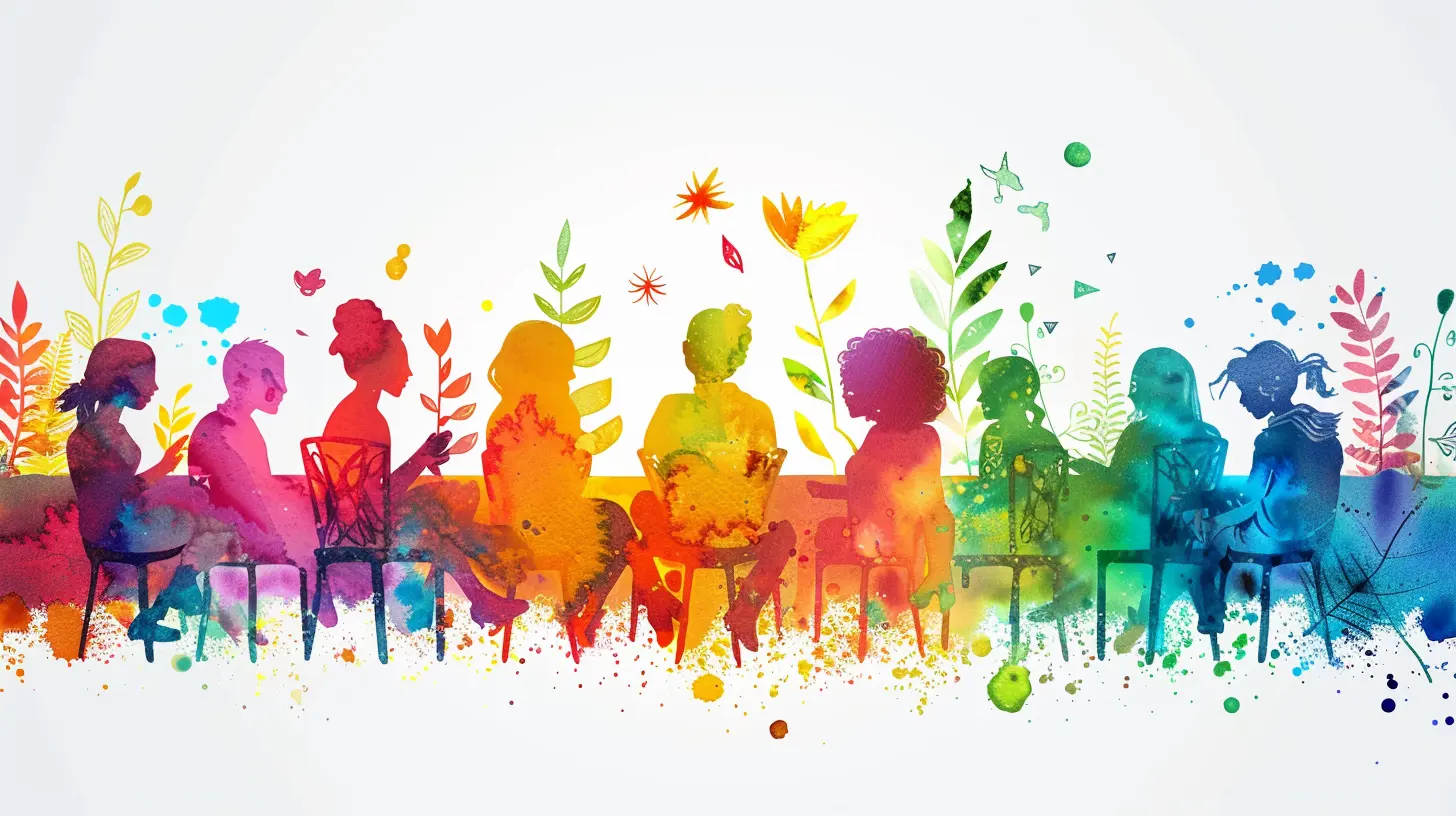
The Not-So-Hidden Link Between Inclusion and Voice
Alright, here's the deal: inclusive education is the stage, and student voice is the performance. You can’t have one without the other if you want real, lasting impact.Why?
Because inclusion without voice is like inviting someone to a party but not letting them dance. It's polite, but not empowering.
By listening to and acting on student input, we send a clear message:
> “You matter. Your thoughts matter. You belong here.”
That, my friend, is the real magic.
The Benefits: More Than Just Feel-Good Stuff
Now, if you're a data nerd (hey, no shame), you might be wondering: “Does this actually work?” Oh, you bet it does.? Boosted Engagement
When students get to shape their learning, they pay attention. Because suddenly, school isn’t just about ticking boxes—it’s about them.? Better Academic Outcomes
Studies have shown that inclusive settings can lead to better performance for both marginalized students and their peers. Why? Because diverse voices spark diverse ways of thinking. It’s like cognitive cross-pollination.✨ Increased Confidence
When students feel heard, they speak up more. They start believing in their potential. They take risks (the good kind). And that’s when real growth happens.? Real-World Skills
Let’s face it—life outside the classroom is ridiculously diverse. Inclusive education teaches empathy, adaptability, and collaboration. Basically, it prepares students to adult like pros.Real Talk: Who’s Being Left Out?
As much as we’d love to say the world’s fully inclusive, let’s not kid ourselves. Some students are still stuck on the sidelines.- Students with disabilities often lack the support they need
- LGBTQ+ students may face bullying or feel invisible
- Racial and linguistic minority students sometimes feel like guests in their own educational experience
- Neurodivergent students are frequently misunderstood or misdiagnosed
It’s not just unjust. It’s bad education.
We need to stop asking students to “fit in” and start redesigning schools so they don't have to.
How Teachers Can Champion Student Voice (Without Losing Their Minds)
Look, teachers already juggle a lot. Curriculum standards, grading, behavior management... sometimes you feel more like a circus act than an educator.But guess what? Amplifying student voices doesn’t mean overhauling your classroom.
Here are bite-sized strategies that pack a punch:
✅ Check-Ins (The Not-Boring Kind)
Start class with a quick pulse check:- “What’s one word to describe how you feel today?”
- “What’s something you wish teachers knew?”
You’d be amazed what students will share if you just ask.
✅ Choice Boards & Flexible Assignments
Give students options. Let them pick how they demonstrate learning:- Write a song
- Build a model
- Give a speech
- Create a meme (yes, really)
Same objectives. Different paths. Boom—engagement.
✅ Student Panels or Advisory Boards
Create safe spaces where students can express concerns or pitch ideas. Rotate members. Keep it fresh. Let them lead the convo.✅ Normalize Feedback Loops
Ask for feedback on lessons. Even a simple exit slip with “What worked? What didn’t?” can work wonders.And here's the kicker: Act on what they say. That’s when the magic happens.
The Role of Admins: From Gatekeepers to Gardeners
If teachers are the muscles of the school, administrators are the backbone. Without them, nothing stands.To foster inclusion and voice at a systemic level, leaders must:
- Provide professional development on inclusive practices
- Fund assistive technologies and resource centers
- Encourage cross-cultural understanding programs
- Embed student voice in policy making—not just once, but always
And hey, maybe even hire students as consultants. Who better to improve school systems than the people living in them?
Parents Aren’t Just Side Characters
Let’s not forget the unsung heroes—parents and caregivers. They shouldn’t be seen as outside observers but essential co-pilots.Schools should:
- Maintain regular, two-way communication with families
- Host accessible parent-teacher meetings
- Translate materials for non-English speakers
- Involve parents in curriculum planning where possible
Bonus tip: Throw in some pizza nights or community fun days. Nothing builds bridges like melted cheese and awkward small talk.
Tech: The Double-Edged Sword ?️⚔️
Technology can either widen gaps or bridge them. The choice is ours.Used right, tech can:
- Support students with disabilities using screen readers or speech-to-text tools
- Allow multilingual learners to access content in their native language
- Offer platforms (like Google Forms or Padlet) for anonymous student feedback
But don’t forget—some students still lack basic internet access. So, inclusive education must start with digital equity.
Final Thoughts: Everyone Gains When Everyone’s Involved
Here’s the mic-drop moment: Inclusive education isn’t just for "those" students. It benefits everyone. You. Me. The kid who just moved from another country. The student with ADHD. The one who aces every test. The one who dreads coming to school.When students feel like they belong and have a say in how they learn, you create a classroom that’s not just educational—it’s transformational.
So, the next time you think about inclusion, don’t just think accessible ramps or diverse reading lists.
Think: “How am I helping each student feel seen, heard, and empowered?”
Because giving students a voice isn’t just kind. It’s revolutionary.
all images in this post were generated using AI tools
Category:
Inclusive EducationAuthor:

Fiona McFarlin