Inclusive Education and the Future of Remote Learning
22 July 2026
Ever felt like the education system was stuck in the past—like it never got the memo that we're living in an era of smartphones, virtual meetings, and self-driving cars? Yeah, you’re not alone. But here’s the good news: inclusive education and remote learning are finally shaking things up. And not just for the tech-savvy crowd. We’re talking about everyone—regardless of ability, location, or learning style.
In this article, we’ll dive into how inclusive education is teaming up with remote learning to create a game-changing future for students around the globe. It’s not just about fancy new tools; it’s about making education accessible, equitable, and frankly, a whole lot more human.
So, grab a coffee (or tea, we don’t judge), and let’s unpack this together.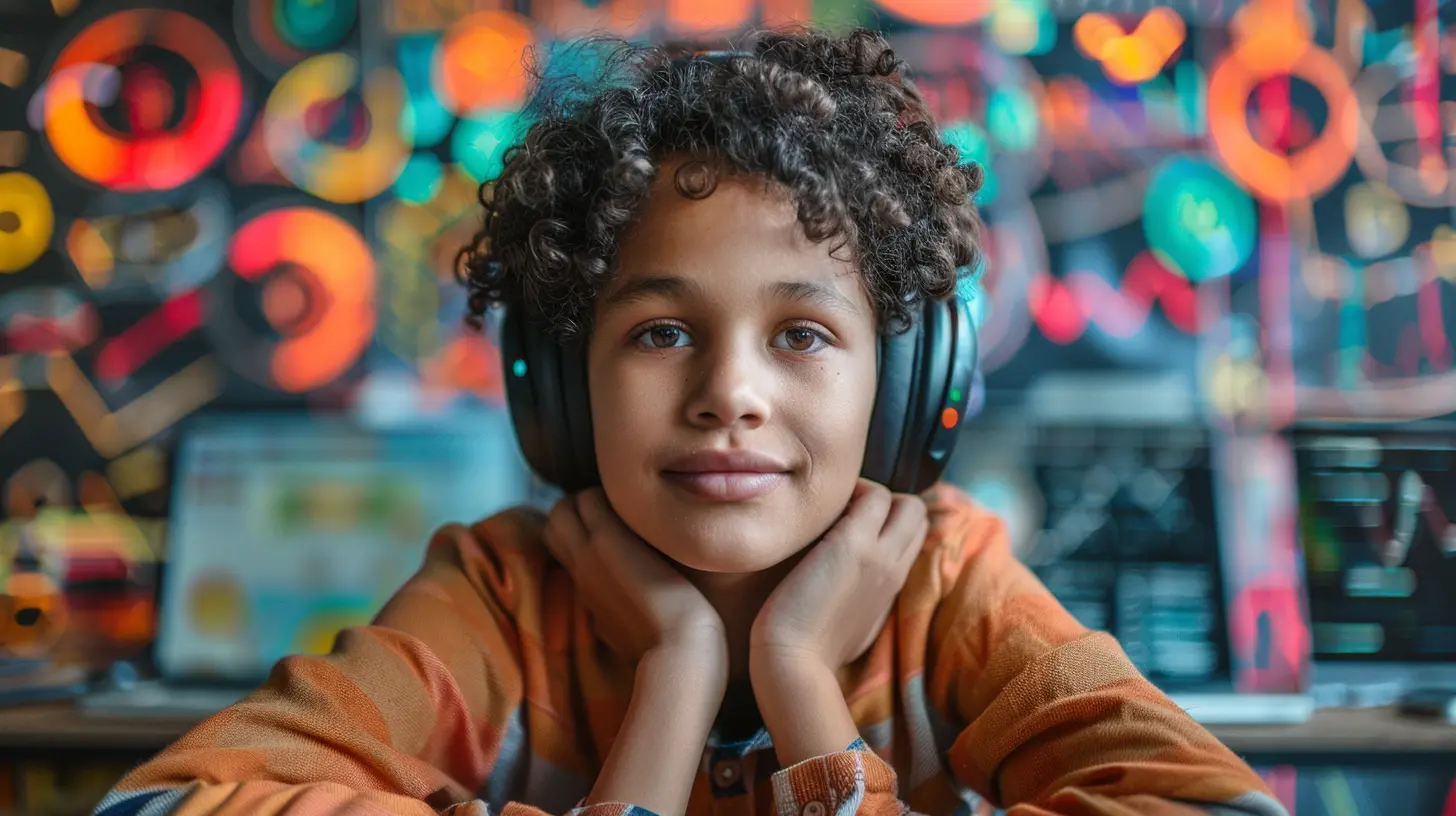
What Is Inclusive Education, Anyway?
Let’s start with the basics. Inclusive education isn’t just a buzzword schools toss around to sound politically correct at conferences. It’s actually a powerful philosophy that says, “Hey, every student matters.”It means creating a learning environment where all students—regardless of physical, mental, emotional, or social challenges—feel welcomed, supported, and able to thrive.
We’re talking about students with disabilities, neurodiverse students, students from marginalized communities, students who don’t speak the dominant language, and even those who just don’t fit the traditional learning mold. The goal? To make classrooms (virtual or not) more flexible, accessible, and responsive to the needs of every learner.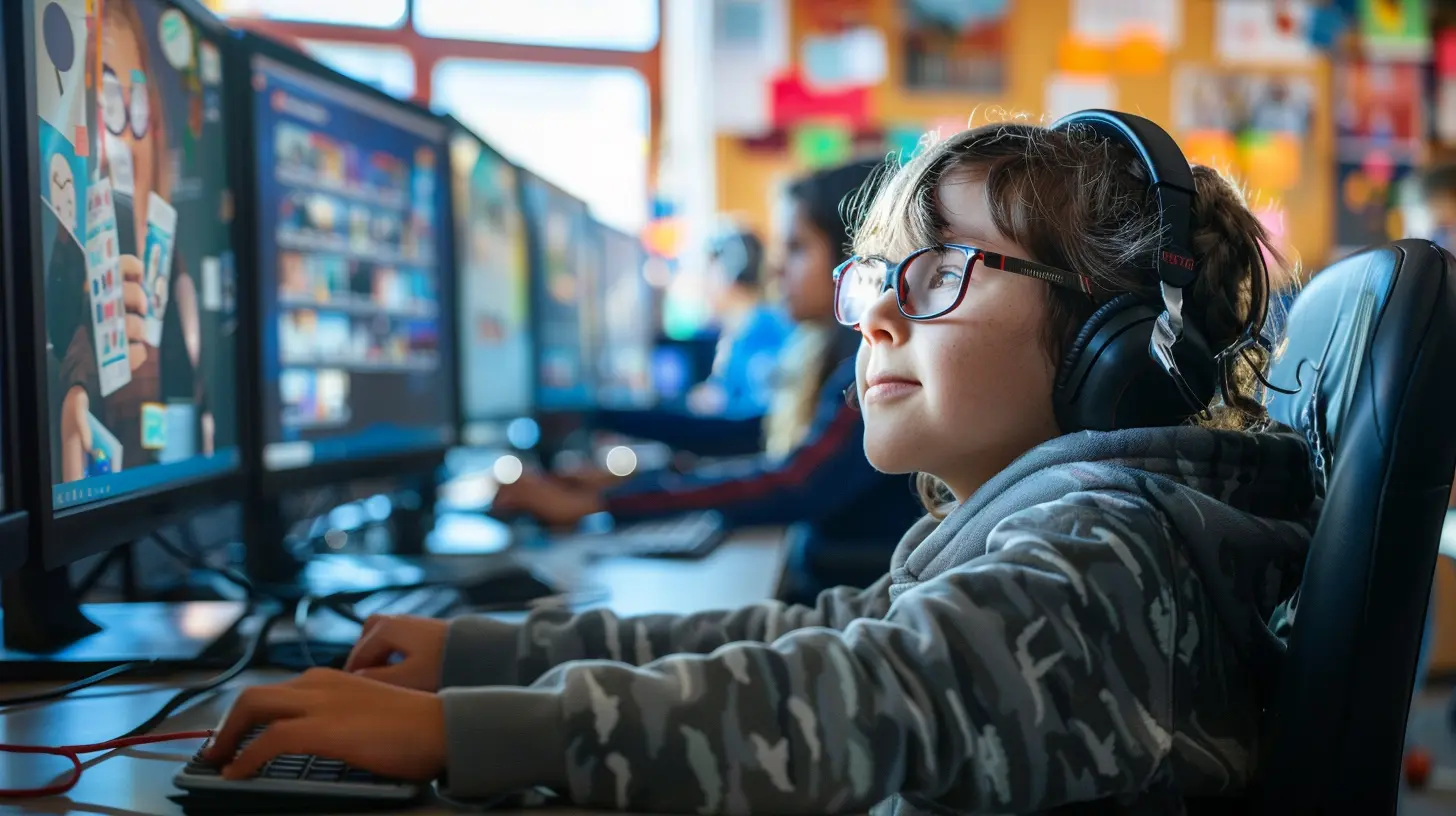
Enter Remote Learning: A Double-Edged Sword?
Now, remember March 2020? When the whole world suddenly became one big Zoom conference? Remote learning took center stage then, and let’s be honest—it had a rocky start. There were technical glitches, unmuted mics, and more “Can you hear me now?” moments than we’d like to admit.But beyond the chaos, we saw something incredible: the potential for education to break free from the four walls of a classroom. For many students, learning from home became liberating. For others, especially those without internet access or support, it was a nightmare.
So, is remote learning a hero or a villain? Well, it’s neither—it’s just a tool. And like any good tool, it depends on how you use it.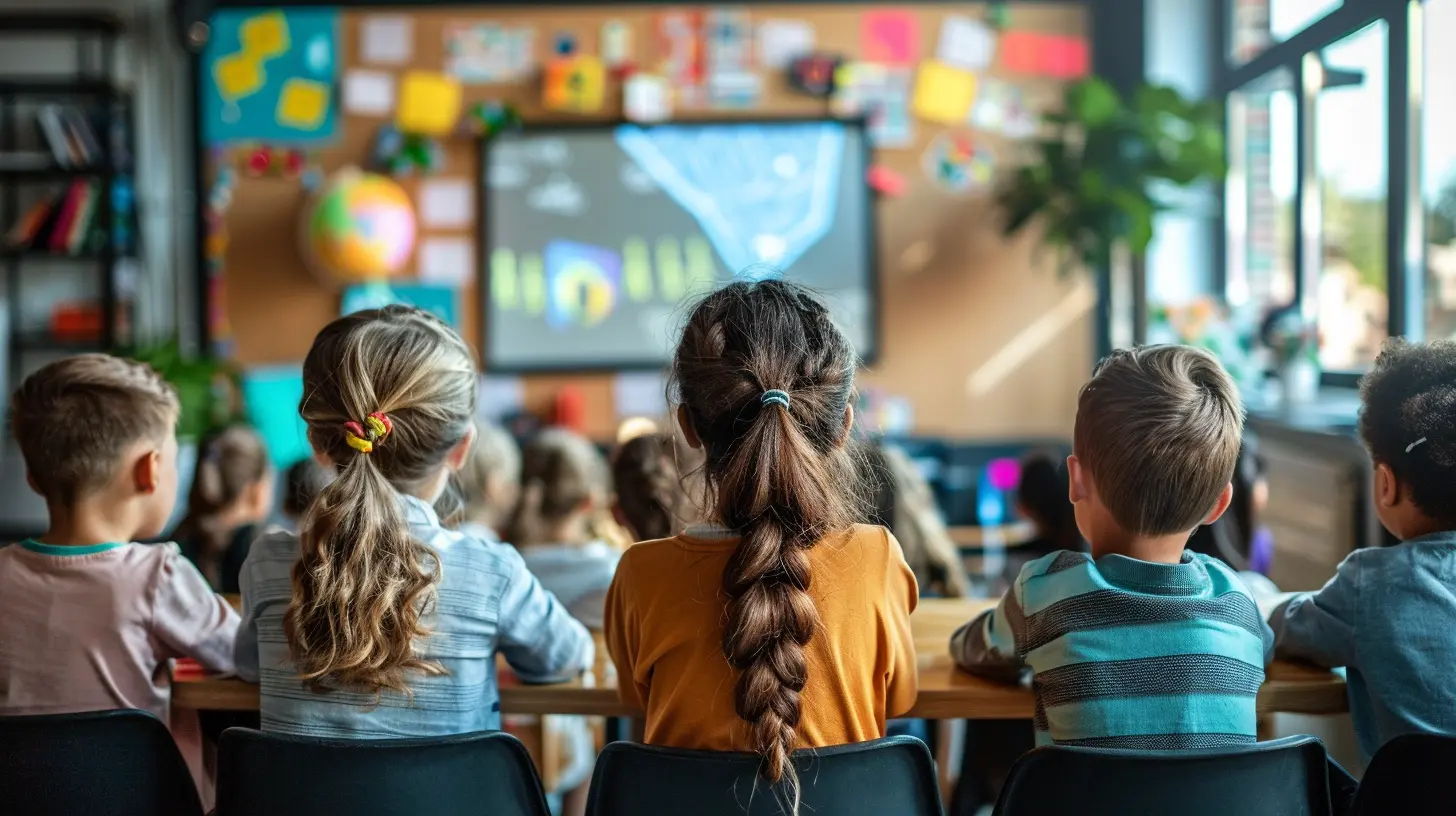
Inclusive Education + Remote Learning = A Match Made in EdTech Heaven
Here's where it gets exciting. By combining the principles of inclusive education with the versatility of remote learning, we're creating something truly transformative.Think of it like peanut butter meeting jelly. Separately, they’re great. Together? Magical.
Let’s break down how this combo is reshaping the future of learning:
1. Personalized Learning Paths
Remember sitting in school wondering, “Why are we all learning the same thing at the same time in the same way?” Yeah, not the best approach.Remote learning platforms now offer adaptive technologies that let students learn at their own speed, in their own way. Whether it’s text-to-speech tools, closed captions, or learning modules in different languages, technology is helping students learn in ways that actually work for them.
2. Flexible Scheduling
The 9-to-3 school day doesn’t work for everyone. Some students need breaks for therapy sessions, medical treatments, or even just a breather from sensory overload.Remote learning allows for asynchronous options—students can access lessons when it suits them best. That’s a game-changer for kids with special needs or complicated home lives.
3. Breaking Geographic Barriers
For students in rural or underserved areas, inclusive education used to mean a long commute or no access at all. Now? If there’s Wi-Fi, there’s a way.Remote learning can bring expert teachers, diverse curricula, and special education support into homes that previously had zero access. This levels the playing field in a big way.
4. Building Confidence with Assistive Technology
From screen readers to voice-controlled apps, assistive tech is like giving students their very own superpowers. And remote platforms are integrating these tools faster than ever.Students with physical or cognitive challenges can now complete assignments, participate in class, and even ace tests with tools tailored to their needs. Confidence boost unlocked.
Challenges? Of Course. But Not Deal-Breakers.
We’re not painting some unrealistic, utopian picture here. Merging inclusive education with remote learning isn’t all sunshine and Wi-Fi signals. There are roadblocks, but they’re not impossible to overcome.1. The Digital Divide
Not every household has access to high-speed internet or a personal device. And let’s be real—sharing a tablet among three kids while parents are working from home? That’s a logistical nightmare.Governments and organizations need to step in with better infrastructure and device distribution if we want inclusive remote learning to be more than a pipe dream.
2. Teacher Training
Teachers weren’t born knowing how to use learning management systems or how to support students with complex needs online. They need training. Good training.Professional development should include inclusive strategies for remote classrooms, accessibility standards, and how to integrate tech in ways that HELP instead of overwhelm.
3. Social Isolation
Let’s not forget that kids need more than just academics. They need connection. Remote learning can be a lonely gig without the high-fives, group projects, and cafeteria chatter.Schools can combat this by running virtual clubs, discussion forums, or buddy systems to keep the spirit of collaboration alive—even if it’s screen-to-screen instead of face-to-face.
Shifting the Culture of Education
Here’s the real kicker: making education inclusive isn’t just about adding a few features to Zoom. It’s about changing the entire culture around learning.Inclusive remote learning challenges old-school ideas that said, "If you can’t keep up, too bad." Now, it's more like, “How can we help you thrive?” That’s a HUGE mindset shift. And honestly, it’s long overdue.
How Schools Can Embrace the Change (Without Losing Their Minds)
You don’t need a Silicon Valley budget to make inclusive remote learning work. Here are some easy wins:- Start with UDL (Universal Design for Learning): Design your lessons for all learners from the ground up. Not just as an afterthought.
- Use multiple formats: Offer content as videos, podcasts, PDFs with screen-reader compatibility, etc.
- Check in regularly: Don’t assume silence means understanding. Ask your students how they’re doing—and actually listen.
- Make tech your friend: Use tools like Microsoft Teams Immersive Reader, Google Classroom, or apps like Read&Write. They’re lifesavers.
The Role of Parents & Caregivers
Let’s not forget the unsung heroes during the remote learning era—parents and caregivers. They’ve been the IT department, lunch staff, guidance counselors, and more.For inclusive remote learning to really work, schools need to bring families into the loop. Provide training sessions, offer tech support, and make communication easy. A little empathy goes a long way.
Students Speak: What They Really Want
Sure, we can talk about policies and pedagogy all day, but have we asked the students what THEY want?When students are asked what makes learning easier or harder, the answers are refreshingly simple:
- “I like it when teachers let us rewatch lessons.”
- “It helps when everything’s in one place, like a dashboard.”
- “Please give us more time if we need it.”
Inclusive education isn’t about reinventing the wheel. It’s about listening and adapting.
So… What’s Next?
The future of remote learning isn’t set in stone, and that’s a good thing. It means we get to shape it. And if we do it right, that future will be more inclusive, equitable, and empowering for students everywhere.Imagine a world where every learner—regardless of ability, ZIP code, or background—gets the chance to shine. That’s not just wishful thinking. With the right mindset, tech, and teamwork, it’s totally doable.
So let’s roll up our sleeves and get to work. The classroom of tomorrow starts today.
Final Thoughts
Inclusive education and remote learning aren’t trends—they’re tidal waves changing the landscape of education. And unlike a pop quiz, this is one revolution we can all prepare for.Will it be perfect? Nope. But will it be worth it? Absolutely.
Let’s build a learning system that doesn’t just work for most—but works for all.
all images in this post were generated using AI tools
Category:
Inclusive EducationAuthor:

Fiona McFarlin