How to Implement Inclusive Education in Rural Schools
17 June 2026
Creating an inclusive classroom in a rural setting can feel like trying to grow a lush green garden in rocky soil. Tough? Yes. Impossible? Absolutely not.
Inclusive education isn’t just a buzzword. It’s a powerful approach to teaching that makes sure every child—regardless of their background, ability, or differences—gets an equal shot at learning. But let’s be real for a second. Rural schools have their own unique set of challenges: limited resources, lack of awareness, and fewer trained educators, just to name a few.
So the big question is: How do you actually implement inclusive education in rural schools? Well, grab a cup of coffee and settle in—because we're about to dive deep into a practical, no-fluff guide that’ll show you exactly how to make it happen.
? What Is Inclusive Education, Anyway?
Let’s start from the top. Inclusive education means welcoming all students into the same classroom, rather than separating them based on abilities or needs. Kids with disabilities, learning difficulties, or from diverse backgrounds learn side-by-side with their peers.Sounds ideal, right? But it’s more than just mixing students together. It’s about adapting teaching methods, classroom environments, and school policies to ensure every student feels supported and empowered.
? Why Is It So Critical in Rural Areas?
Rural communities often face extreme disparities in education. Students with disabilities or minority backgrounds in these regions typically lack access to the support systems available in urban settings. Inclusive education bridges that gap.Imagine a child in a remote village. If their school isn’t equipped to meet their unique learning needs, they’re often left behind. That’s not only unfair—it’s a huge loss of potential.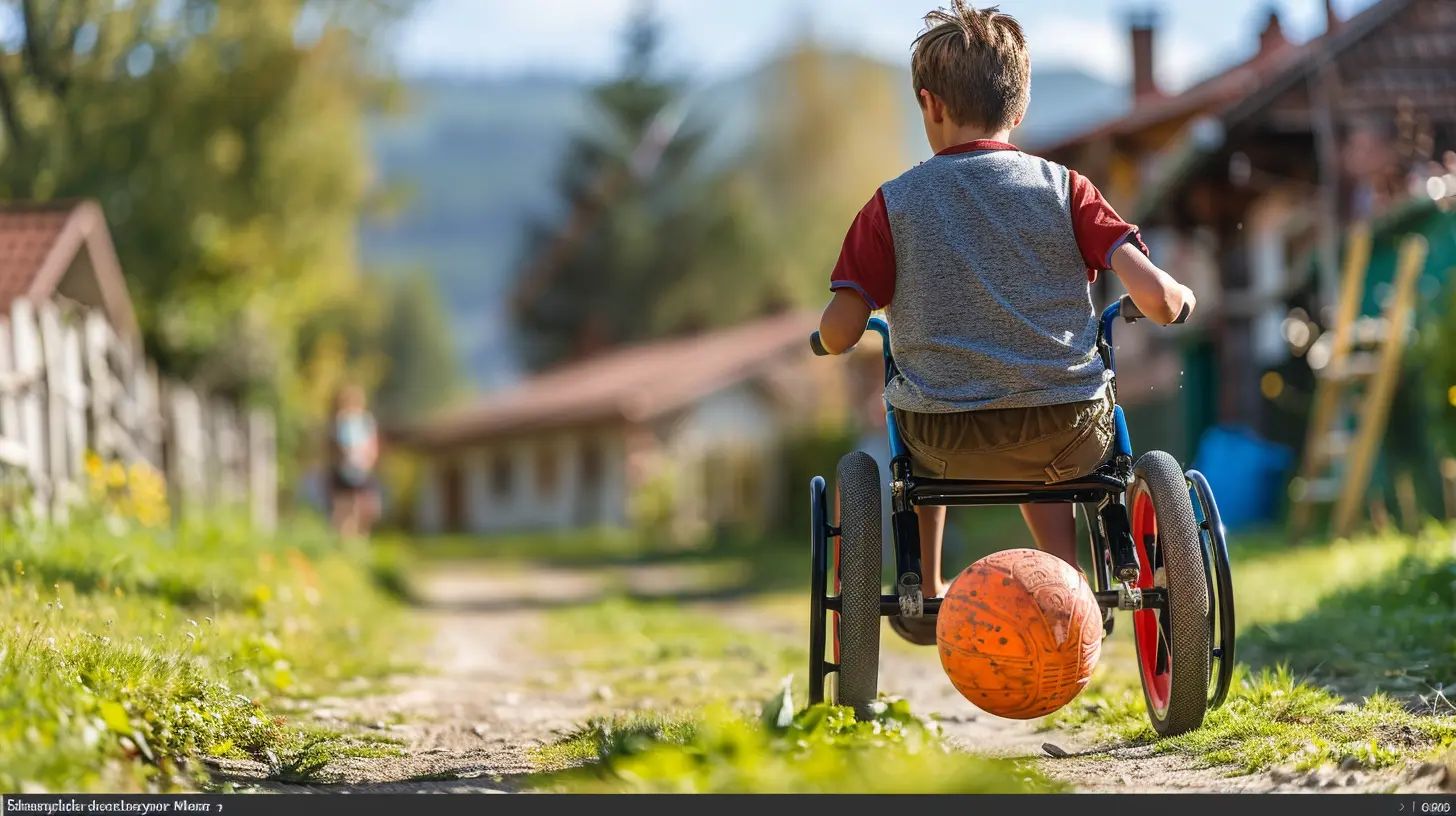
? Step-by-Step: How to Implement Inclusive Education in Rural Schools
Let’s roll up our sleeves and unpack the “how.” Here are the key steps to bring inclusive education to rural schools—with heart, intention, and real impact.1. ? Build Awareness First
Here’s the truth: You can’t fix what people don’t see as broken. One of the biggest barriers in rural education is a lack of awareness about what inclusive education even means.What to do:
- Host community workshops and school events.
- Involve parents, teachers, and local leaders in conversations about inclusivity.
- Use local radio stations or community centers to spread awareness about the rights of all students.
Think of it as planting the seed. Once people understand the why, it’s easier to move on to the how.
2. ?? Train Teachers (A Lot)
Teachers are the heartbeat of any classroom. But many educators in rural areas aren’t trained to handle diverse learning needs. That’s not their fault—they simply haven’t been given the tools.Here’s what works:
- Conduct regular workshops on inclusive teaching strategies.
- Provide online training programs (they can access them via smartphones).
- Do peer mentorship—pair less experienced teachers with more trained ones.
And remember—it’s not just about giving information. It’s about shaping mindsets. Teachers need to believe that every child can learn with the right support.
3. ? Modify the Learning Environment
Inclusion isn’t just about changing attitudes—it’s also about changing spaces.Ask yourself:
- Can a child with a wheelchair access the classroom?
- Are the learning materials accessible to students with visual or hearing impairments?
- Is there enough light, ventilation, and basic hygiene?
Rural schools don’t need flashy tech. But they do need functional, welcoming, and adaptive environments. Sometimes, simple fixes—like ramps, posters in multiple languages, or quiet spaces—can make a world of difference.
4. ? Diversify Teaching Materials
If all your materials are in one language, follow one structure, or cater to only one learning style, you’re unintentionally excluding kids.Steps you can take:
- Use stories and examples that reflect local culture and languages.
- Include images, videos, and hands-on activities for children with varying learning preferences.
- Offer resources like audio books or simplified texts.
The goal is to meet students where they are—not force them to fit a one-size-fits-all system.
5. ? Create Individualized Learning Plans (ILPs)
Not every child learns the same way or at the same pace. And you know what? That’s okay.What you can do:
- Work with each student (and their parents) to understand their strengths and challenges.
- Set clear, realistic learning goals.
- Monitor progress regularly and adjust the plan as needed.
Think of ILPs as personalized maps in a GPS—it’s all about finding the best route for each traveler.
6. ? Foster a Culture of Acceptance
This one’s huge. If the school culture is full of stigma or bullying, inclusion will never thrive—no matter how good the curriculum is.Ideas to try:
- Run school-wide campaigns about kindness, empathy, and respect.
- Celebrate “Inclusion Day” or similar events.
- Encourage group projects and buddy systems that mix different students together.
Culture eats strategy for breakfast. So if you want real change, build an environment where inclusivity is the norm, not the exception.
7. ? Partner with Local Organizations
You don’t have to go it alone. Lots of NGOs, social groups, and even health departments want to help—so let them!How they can help:
- Provide assistive devices and technology.
- Offer professional development support.
- Organize community outreach programs.
Think of them as your “inclusion allies.” When schools and local organizations team up, the impact doubles.
8. ? Use Low-Cost Tech That Works
High-tech doesn’t mean better. In fact, rural schools can benefit a ton from low-cost, clever tech solutions.Some practical tools:
- Mobile learning apps for students with learning difficulties.
- Audio lessons and podcasts for kids with visual impairments.
- Battery-backed projectors for remote schools without power.
Even using WhatsApp groups for parent-teacher communication can be a game-changer in remote communities.
9. ??? Involve Parents & Guardians Actively
Here’s the deal: parents are partners, not spectators. When they’re on board, students thrive.Ways to engage them:
- Invite parents to classroom activities.
- Hold regular meetings—talk honestly about challenges and victories.
- Train parents on how they can support learning at home.
When parents feel empowered, it reflects on the students. Remember, inclusion starts at home.
10. ? Measure Progress and Keep Improving
You can’t improve what you don’t measure. So track your efforts and be open to learning what works (and what doesn’t).Ask questions like:
- Have dropout rates among special needs students decreased?
- Are teachers feeling more confident?
- Do all students feel safe and valued?
It’s okay to adjust your strategy. Inclusion is a journey—not a final destination.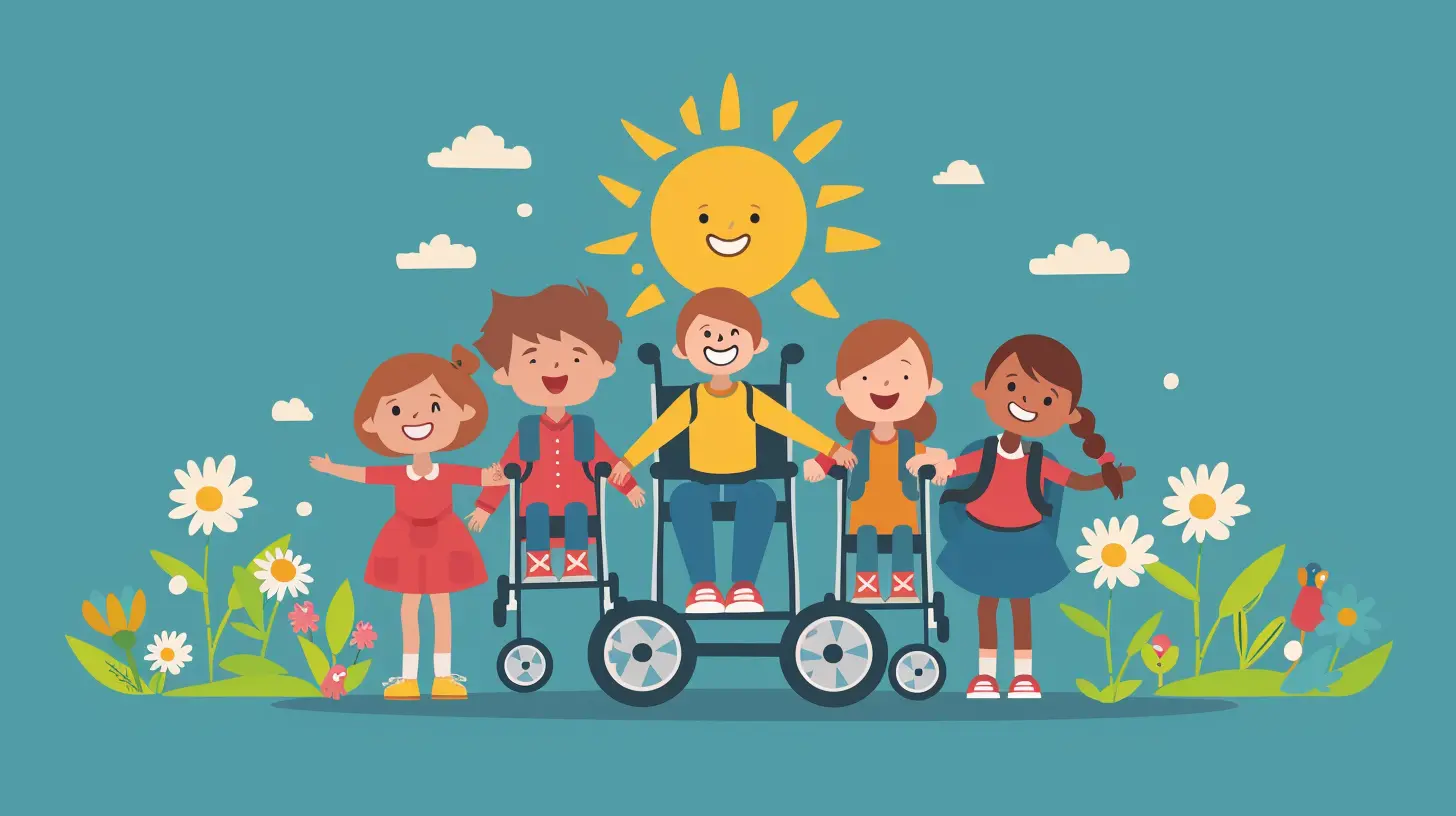
? Real-Life Example: A Rural School That Got It Right
Let’s take a quick detour to a small school in rural Maharashtra, India. With the help of a local NGO, they started hosting weekly training sessions for teachers. They built a ramp using locally sourced materials and began using storytelling in multiple languages to connect with students from tribal communities.Fast forward a year: attendance increased, students with disabilities actively participated in class, and the school became a model for other villages.
What does that tell us? Change is possible—even in the most resource-crunched settings.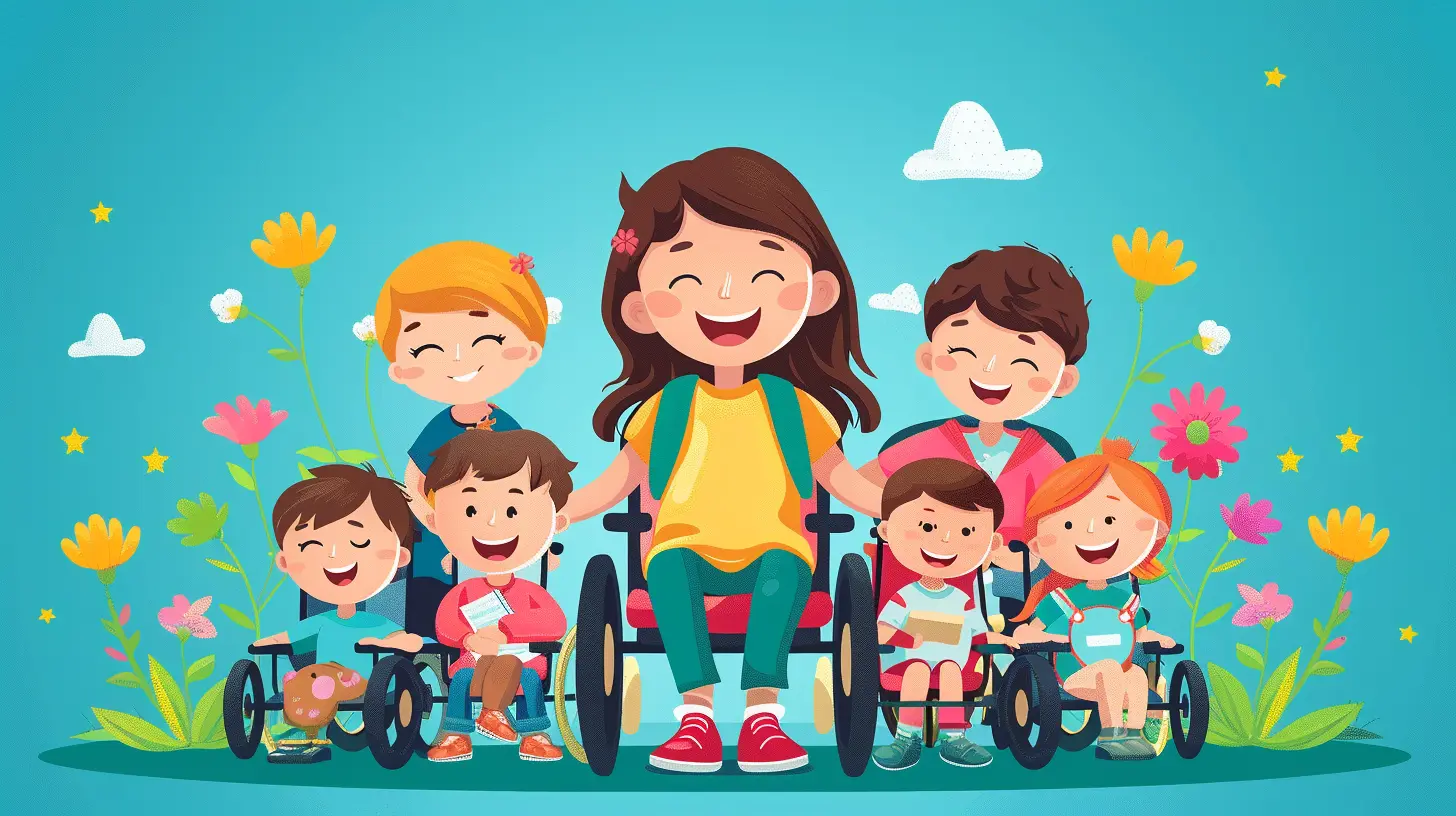
✨ Wrapping It All Up
Implementing inclusive education in rural schools isn’t just a noble idea—it’s a necessary step toward a better, fairer world. Sure, there are challenges. But with a bit of creativity, a lot of commitment, and a strong sense of community, it's entirely doable.Remember, inclusive education isn’t about special treatment. It’s about equal opportunities. It’s not about sympathy—it’s about equity. And at the end of the day, every child, regardless of their background or ability, deserves to feel seen, heard, and celebrated in the classroom.
So whether you're a teacher, a school leader, a parent, or just someone who cares—start where you are. Use what you have. Do what you can. Because inclusive education isn’t a luxury—it’s a right.
all images in this post were generated using AI tools
Category:
Inclusive EducationAuthor:

Fiona McFarlin
Discussion
rate this article
1 comments
Hudson Kline
Inclusive education in rural schools? It's like trying to herd cats while baking a cake. Sure, it sounds chaotic, but with the right ingredients-community support, teacher training, and a sprinkle of patience-you can whip up a recipe for success. Just remember, every cat... err, student... deserves a piece of that cake!
June 24, 2026 at 4:29 AM