How to Handle Conflicts in Group Work: A Teacher’s Guide
4 March 2026
Ever assigned a group project and watched the chaos unfold like a reality TV show? You know the type—one student ends up doing all the work, another mysteriously vanishes, and two more are locked in a silent Cold War over who gets to control the PowerPoint aesthetics.
Group work can be an absolute nightmare if not managed well. As a teacher, you’re not just an educator; you’re also an unofficial referee, therapist, and sometimes even a crisis negotiator. But don’t worry—I’ve got your back. Let’s break down the art of handling conflicts in group work, so your classroom doesn’t resemble a soap opera. 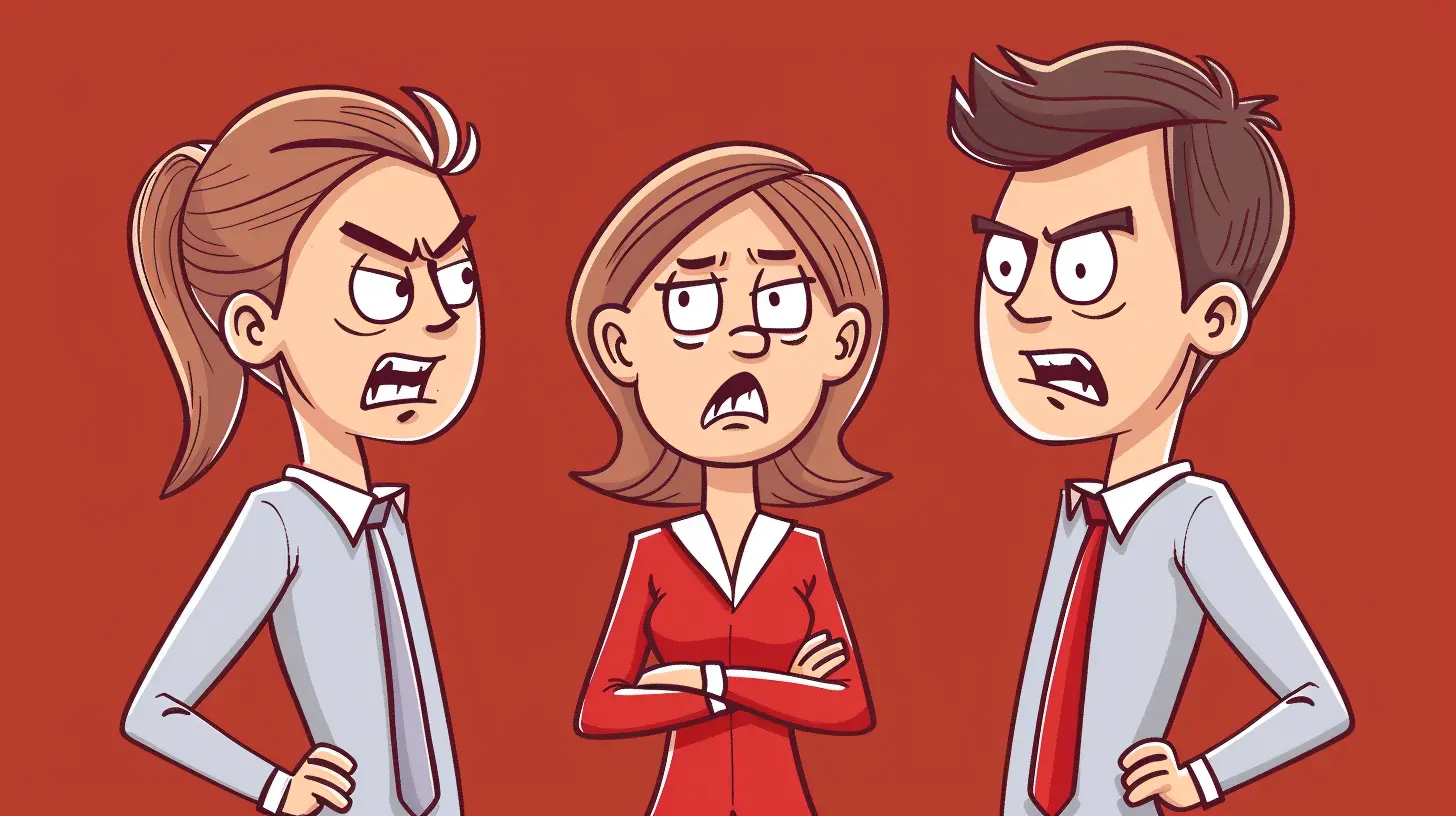
💥 Why Do Conflicts Happen in Group Work?
Conflict in group work is as inevitable as students asking, "Will this be on the test?" It happens for a few key reasons:- Unequal Work Distribution – There’s always that one student carrying the weight of the project while others enjoy the free ride.
- Clashing Personalities – Some students love structure; others prefer chaos. Put them in a group together, and boom! Drama unfolds.
- Lack of Communication – Someone forgets to tell the group they changed the entire project at 2 AM. Surprise!
- Diverging Work Styles – Some students start early; others procrastinate like it’s an Olympic sport. The tension is real.
- Differing Commitment Levels – One student wants an A+, while another just hopes to pass. That’s a recipe for conflict.
Now that we know what causes the drama, let’s talk about how to manage it like a pro. 
🏆 Set Clear Expectations from Day One
Before the chaos even begins, set the stage. Make sure students know what’s expected of them in terms of participation, work distribution, and deadlines. A simple group contract works wonders.✅ Pro Tip: Have students outline who will do what, when it’s due, and what happens if someone slacks off. That way, they can’t later claim, “I didn’t know I had to do that.” 
🎤 Teach Students How to Communicate (Because They Might Not Know)
Believe it or not, students aren’t born with conflict-resolution skills. And let’s be honest—some adults aren’t either.- Encourage active listening (i.e., not just waiting to talk).
- Teach them "I" statements (e.g., "I feel frustrated when my ideas aren’t considered," instead of "You never listen!").
- Remind them that texting isn’t the best way to settle arguments—tone gets lost, and suddenly, someone’s crying over a misinterpreted emoji.
✅ Pro Tip: Have students role-play conflict scenarios. It’s awkward but effective. 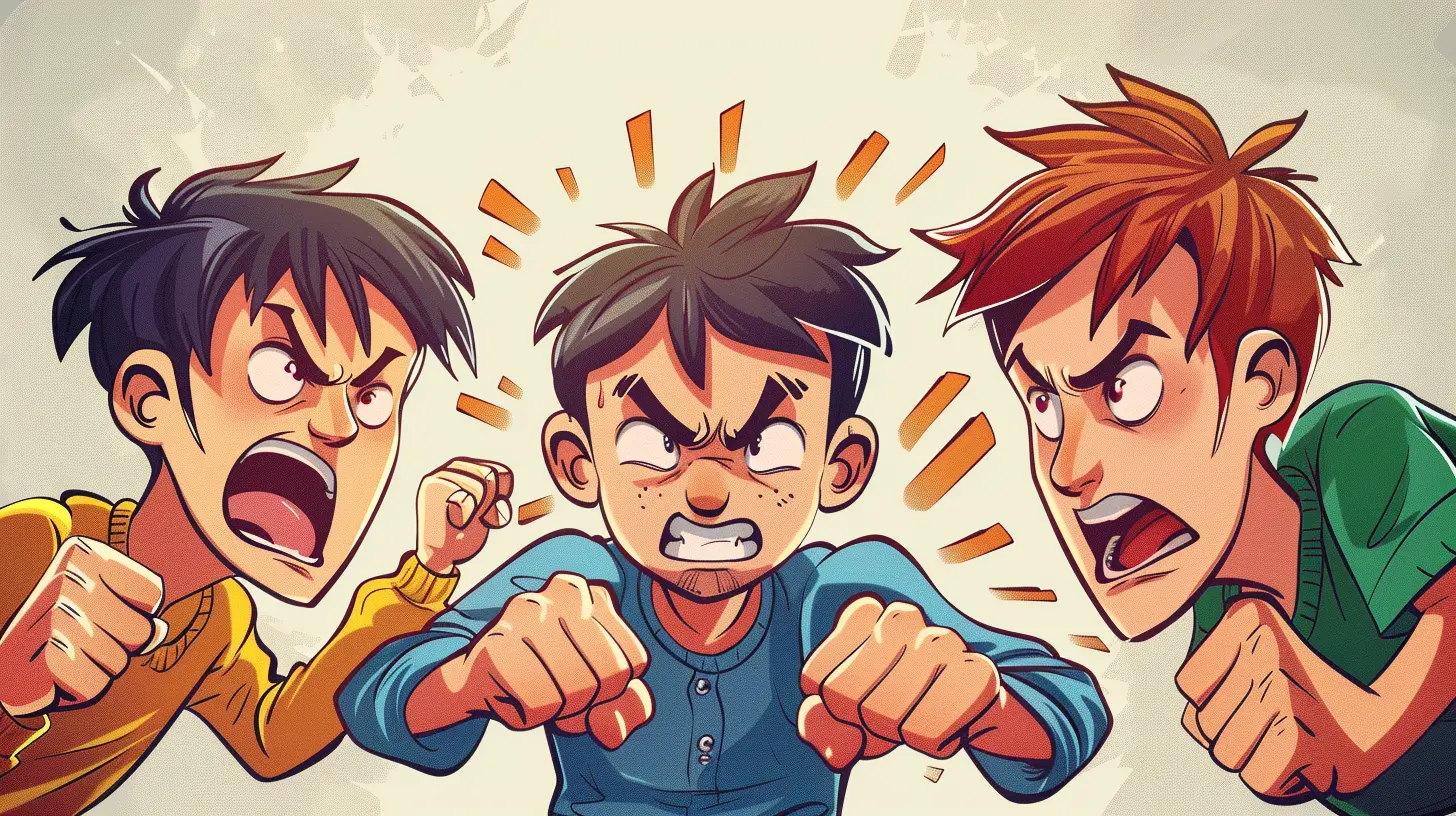
👨⚖️ Mediate Before It Escalates into a Full-Blown War
Sometimes conflicts get out of hand. That’s when you step in—preferably before things reach “passive-aggressive email” levels.How to Intervene:
1. Listen to everyone’s side (without rolling your eyes, no matter how tempting).2. Identify the real issue—is it laziness, miscommunication, or just good old-fashioned stubbornness?
3. Encourage a compromise—no one wins if the group falls apart.
✅ Pro Tip: Set up a “cool-down” period. Sometimes, students just need five minutes to breathe before they say something they’ll regret.
⏳ Deadlines Are Your Best Friend (Use Them Wisely)
One of the easiest ways to avoid last-minute panic (and the blame game that follows) is breaking the project into smaller deadlines.- Have students submit checkpoints—like an outline, a rough draft, or even a 30-second update on what they’ve done so far.
- This forces everyone to contribute (no more vanishing acts).
- It also catches problems early instead of 10 minutes before the deadline.
✅ Pro Tip: Assign team leaders who help keep their group on track. It develops leadership skills and makes your job easier. Win-win!
❌ What to Do When Someone Refuses to Work
There’s always that one student who contributes nothing but excuses. Instead of letting the hardworking students suffer, take action:1. Pull them aside privately—calling them out in front of the group won’t work.
2. Ask what's going on—sometimes there’s a real issue (like personal struggles).
3. Set clear consequences—if they don’t contribute, there should be an impact on their grade.
✅ Pro Tip: Peer evaluations can be a lifesaver. If students know their teammates will rate their contributions, they’re more likely to pull their weight.
😂 Encourage a Little Humor (Because Tension Needs a Break)
Nothing defuses conflict like laughter. Encourage students to keep things lighthearted when possible.- If a group conflict session is too heated, throw in a funny icebreaker before continuing.
- Memes about group projects? Encourage them. Laughter bonds people, even if they’re annoyed with each other.
- Remind students that in five years, they won’t even remember this project—so maybe it’s not worth getting that worked up about.
✅ Pro Tip: A “funniest group conflict story” contest at the end of the semester can turn past frustrations into hilarious memories.
🎭 Teach Conflict Resolution as a Life Skill
Handling group work drama isn’t just about surviving your class—it’s about preparing students for the real world. (Because, spoiler alert: workplace teams are just as chaotic.)- Teach them to stay professional even when frustrated.
- Remind them that compromise isn’t losing—it’s problem-solving.
- Show them that working with different personalities is a skill they’ll use forever.
✅ Pro Tip: Share your own stories of team conflicts (because let’s be honest, we’ve all been there). It makes the lesson relatable.
🎯 Final Thoughts
Group work will never be completely drama-free. But if you set clear expectations, teach communication, and help students navigate conflicts before they explode, you’ll save yourself (and them) a lot of headaches.At the end of the day, students might not love group projects, but with the right strategies, they’ll at least survive them—and maybe even learn a thing or two about teamwork along the way.
Now, go forth and manage that classroom like the conflict-resolution wizard you are!
all images in this post were generated using AI tools
Category:
Group WorkAuthor:

Fiona McFarlin
Discussion
rate this article
2 comments
Silas Wagner
Thank you for this insightful article! Your practical tips on managing conflicts in group work are invaluable for educators. I appreciate the emphasis on communication and collaboration to foster a positive learning environment.
March 17, 2026 at 1:47 PM
Fiona McFarlin
Thank you for your kind words! I'm glad you found the tips helpful for fostering collaboration in group work.
Megan Lewis
This article provides valuable insights into managing conflicts in group work, emphasizing the importance of communication and understanding diverse perspectives. By equipping teachers with practical strategies, it fosters a collaborative environment that can enhance student learning. Addressing conflicts effectively can transform challenges into opportunities for growth and teamwork. A commendable resource!
March 4, 2026 at 6:01 AM
Fiona McFarlin
Thank you for your kind words! I'm glad you found the article helpful in promoting effective conflict management and collaboration in group work.