How to Document Your Student Exchange Journey for Personal and Professional Growth
5 March 2026
So, you've landed in a new country, ready to dive into the experience of a lifetime—your student exchange program. You’re going to meet people from all over the world, try foods that make your taste buds dance, and probably get lost (a few times!). But amidst all that adventure, have you thought about how documenting your journey can actually shape your future?
Seriously, capturing your student exchange experience isn't just about selfies at tourist spots or saving ticket stubs. It's a powerful tool that can help you grow both personally and professionally. Whether you’re crafting a personal blog, recording vlogs, or just journaling, how you document this unique chapter in your life can make a big difference down the road.
Let’s explore how to document your student exchange journey in a way that not only preserves memories but also opens up doors. Ready? Let’s dig in.
Why Documenting Your Exchange Journey Matters
First things first—why bother? Isn't living the moment enough?Well, yes and no. Living the moment is crucial, but capturing it lets you relive it, share it, and reflect on it. More importantly:
- It helps build self-awareness and personal growth.
- It adds value to your resume or portfolio.
- It proves your adaptability and global mindset to future employers.
- It connects you to a wider audience (and maybe even inspiring others!).
In short, documenting your journey turns you into a storyteller—and stories are powerful.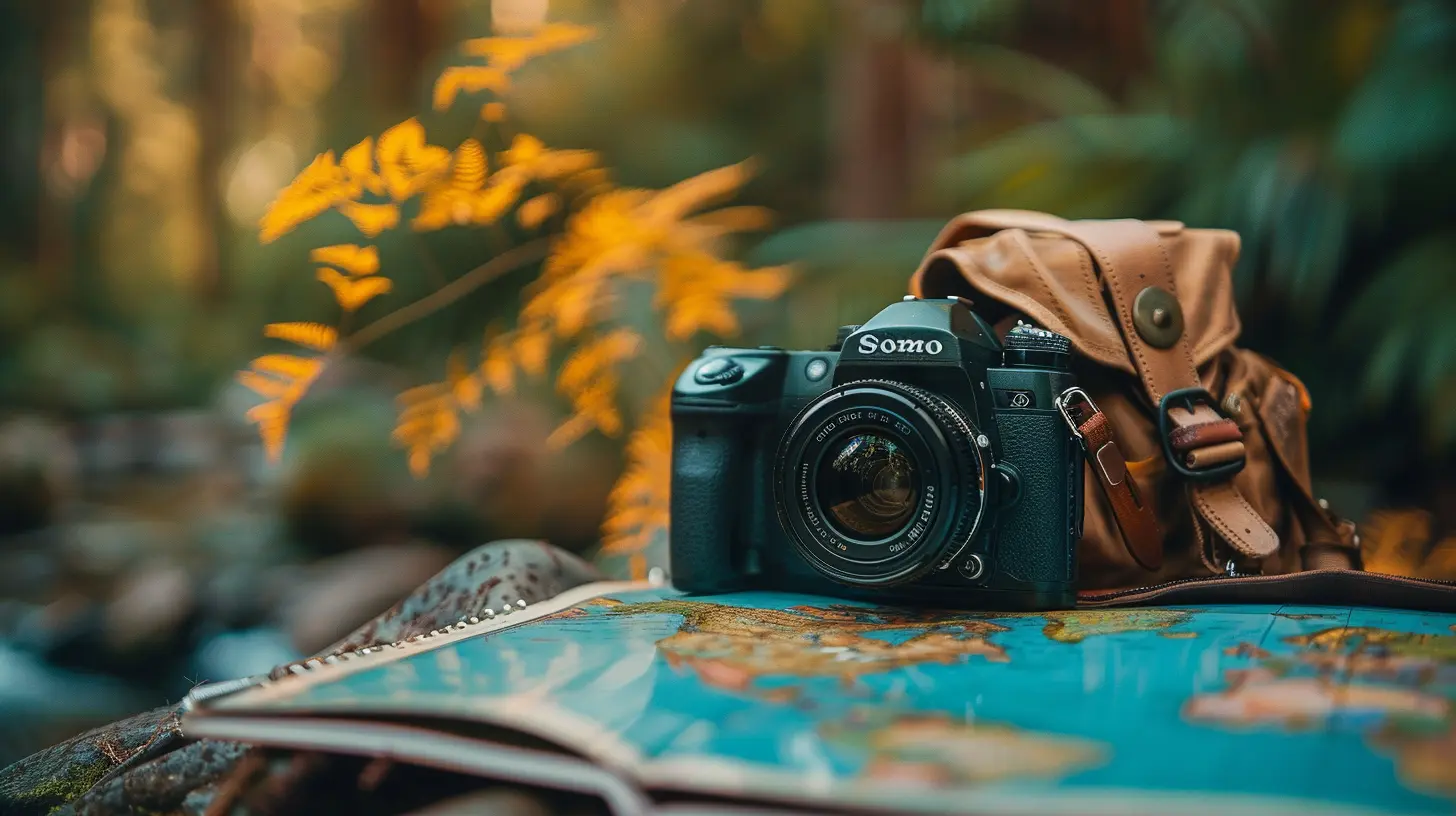
Choose Your Medium: Find Your Voice
Before we go any further, think about how you want to tell your story. Not everyone is a blogger or a YouTuber, and that’s totally fine.Here are a few mediums to consider:
1. Blogging
If you enjoy writing and reflecting, blogging might be your best bet. It's versatile—add photos, videos, or links—and you can publish at your own pace. Platforms like WordPress or Medium are beginner-friendly.Pro Tip: Focus on storytelling, not just reports. Instead of “I went to Paris,” try “I got lost in the streets of Montmartre and found the best espresso of my life.”
2. Vlogging
Prefer talking to a camera? Vlogs are engaging and let your personality shine through. Plus, viewers get to see the world through your eyes—literally!Pro Tip: Keep it real. Don’t over-edit. Show the late-night study sessions, the awkward language mix-ups, and the genuine “aha” moments.
3. Journaling
Old-school, but still golden. Journals are private, and great for deep reflection. They're perfect if you want to process thoughts before sharing publicly.4. Photo Diaries
If you're more visual, create photo stories with captions or brief notes. Instagram, digital scrapbooks, or even printed photo books work great.
Start with Intent: Set Your “Why”
Before you begin documenting, ask yourself: “Why am I doing this?”- Is it for personal reflection?
- To keep family and friends updated?
- To build a portfolio?
- Or maybe to turn into a future blog/book/project?
Your “why” will guide your content and keep you motivated. When the excitement fades or homesickness kicks in, remembering your purpose will help you keep going.
What to Document: Beyond Tourist Attractions
Now, let’s talk about what to actually document. Spoiler: It’s not just about the Eiffel Tower or Big Ben. The magic often lies in the small, unexpected moments.1. Cultural Discoveries
- Local customs or traditions that surprised you- Festivals, holidays, or celebrations you took part in
- Things that made you rethink your own culture
2. Academic Experiences
- Differences in teaching styles or classroom dynamics- Group projects with international classmates
- Memorable professors or learning moments
3. Language Woes and Wins
- New phrases you’ve picked up- Your first successful conversation in the local language
- Funny or embarrassing translation fails (we all have them!)
4. Daily Life Adventures
- Grocery shopping, public transport, or laundry in a foreign country- Cooking local meals or trying bizarre snacks
- Your room setup or favorite local hangout spot
5. Emotional Ups and Downs
- Homesickness, culture shock, or personal growth- Breakthroughs in independence and confidence
- Friendships that changed you
Each of these adds texture and richness to your story. It’s not just “I studied abroad”—it’s “I grew, I struggled, I adapted, I thrived.”
Make it Personal but Respectful
You’re going to meet people with different backgrounds, beliefs, and values. Be respectful in how you share stories involving others. Ask for permission before posting photos. Avoid making sweeping generalizations about cultures. Empathy goes a long way.At the same time, let your personality shine. Your unique perspective is the secret sauce here. Don’t be afraid to express your opinions, dreams, or fears—just do it with kindness.
Professionalize It: Turn Your Experience Into a Portfolio
Now let’s connect the dots between documenting and actual career growth.You might be thinking, “Cool, I have a blog. But how does this help me get hired?”
Here’s how:
1. Use It as a Project Sample
If you’re applying for careers in journalism, marketing, international relations, or even design, your documentation can serve as a real-life portfolio. Employers love real-world projects!2. Demonstrate Soft Skills
Think about it—your journey shows resilience, communication, problem-solving, adaptability, and emotional intelligence. These are huge buzzwords in the professional world.3. Leverage It on LinkedIn
Create posts or videos that reflect your learnings and tag relevant hashtags. Write a piece for LinkedIn Articles summarizing your experience and what you gained. Who knows—your future employer might be reading.4. Show Off Your Global Mindset
International experience is a major asset. Documenting it proves you’re globally minded, culturally sensitive, and able to thrive outside your comfort zone.Consistency Is Key: Create a Schedule
We get it. Life gets busy. Classes, travel, socializing—it’s a lot. But if you really want to make your documentation meaningful, consistency is crucial.Here’s how to stay on track:
- Set small goals (e.g., write one blog post per week).
- Pick a posting day and stick with it.
- Use templates or prompts to make things easier.
- Treat it like a fun habit, not a chore.
Over time, your collection will grow into a treasure trove of memories.
Get Interactive: Build a Community
Don’t just document—engage! Start conversations, ask questions, and invite others to share their experiences too.Whether you’re on Instagram, YouTube, or a blog, interaction turns your journey into something bigger than just you. Comment back, host Q&A sessions, or even collaborate with fellow exchange students.
You never know who you might inspire—or who might inspire you.
Don’t Wait for Something “Big” to Happen
Here’s a secret: the “small” moments often make the best stories.You don’t need to wait for a weekend trip to Rome to post something. How about writing about your first rainy day in Copenhagen, getting lost on the Tokyo subway, or baking cookies with your host family?
The day-to-day is where real growth happens. Share it.
Tools to Make Your Life Easier
Not a tech wizard? No worries! Here are some tools that can help you document without the headache:- Canva – for graphic design and social media visuals
- Notion – for journal entries, to-do lists, and idea tracking
- Grammarly – for polishing your writing
- Lightroom Mobile – for editing photos like a pro
- Anchor.fm – to start a podcast (yes, you can!)
- Google Drive – to save backups of everything
Find what works for you and roll with it.
Reflect and Revisit
At the end of your exchange program, don’t just close the book. Revisit your documentation:- What surprised you the most?
- How did you grow?
- What advice would you give to your past self?
Maybe compile your favorite entries, create a highlight reel, or write a reflective piece summarizing your journey. These reflections often reveal just how far you’ve come.
Final Thoughts: Your Story Matters
Look, your student exchange journey is going to be one-of-a-kind. No two people walk the same path, even in the same city or school. Documenting it isn’t just for memories—it’s for meaning.It’s a gift to your future self. It’s a portfolio for your next big opportunity. It’s a guide for others who haven't taken the leap yet.
So grab that pen, phone, camera—whatever floats your boat—and start telling your story. You never know where it might lead.
all images in this post were generated using AI tools
Category:
Student Exchange ProgramsAuthor:

Fiona McFarlin
Discussion
rate this article
2 comments
Marlowe Alexander
Great insights! Documenting my student exchange journey truly enhanced my personal growth and professional skills. It’s a valuable resource for anyone considering such an experience.
March 18, 2026 at 1:34 PM
Fiona McFarlin
Thank you! I'm glad to hear that documenting your journey has had such a positive impact on your growth. Your experience can inspire others to take the leap!
Hayden Cook
Documenting your student exchange journey fosters self-reflection and growth. By capturing experiences, challenges, and cultural insights, you not only build a rich personal narrative but also enhance professional skills like adaptability and global awareness. This practice can profoundly impact both personal development and career opportunities.
March 7, 2026 at 5:09 AM
Fiona McFarlin
Absolutely! Documenting your journey is a powerful tool for self-reflection, personal growth, and enhancing professional skills. It not only creates a valuable narrative but also opens doors to new opportunities.