How the Cold War Shaped International Relations
5 December 2025
The Cold War was an intense geopolitical rivalry that spanned roughly from the end of World War II in 1945 to the dissolution of the Soviet Union in 1991. But hey, it wasn't your typical war—there were no large-scale direct military confrontations between the two main adversaries, the United States and the Soviet Union. Instead, it was a psychological chess game, loaded with nuclear threats, espionage, propaganda, and proxy wars. But here’s the thing: the Cold War wasn’t just some historical footnote. It reshaped the world in ways we still feel today, from the way countries interact with each other to how international organizations operate.
In this article, we’ll dive deep into how the Cold War shaped international relations, and trust me, it’s more relevant to today's global politics than you might think.
A Bipolar World: The Division of Power
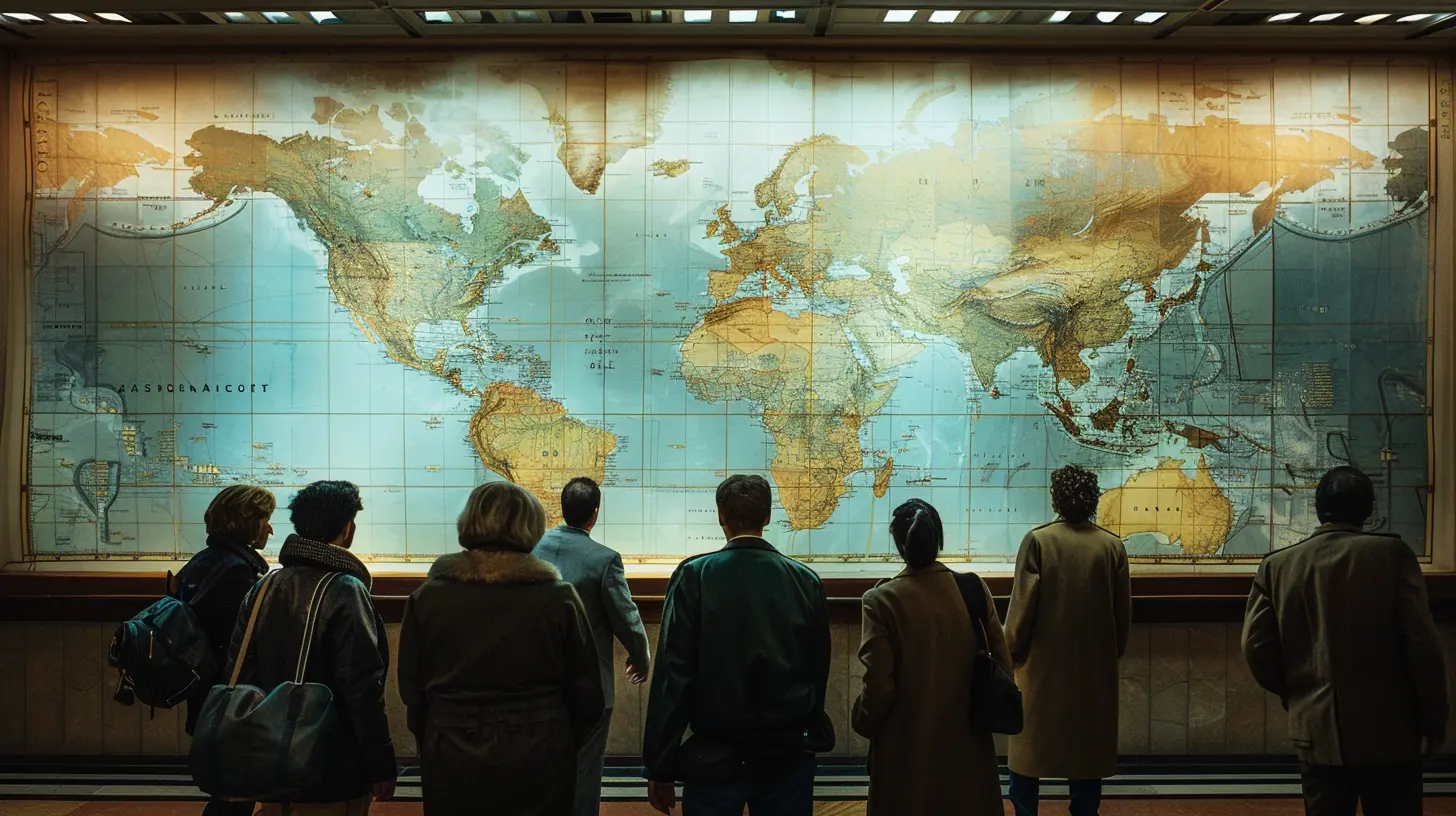
Let’s start with the most obvious change that came out of the Cold War: a divided world. The Cold War essentially birthed a bipolar world order, where two superpowers—the capitalist United States and the communist Soviet Union—held sway over global affairs. Countries around the world were often forced to pick sides, leading to the creation of two major blocs: the Western Bloc (led by the U.S. and its NATO allies) and the Eastern Bloc (dominated by the Soviet Union and its satellite states).The Domino Effect
Remember the "domino theory"? It was the idea that if one country fell to communism, its neighbors would soon follow, much like dominoes falling in a chain reaction. This theory played a huge role in shaping U.S. foreign policy during the Cold War. It justified American involvement in conflicts like the Vietnam War and the Korean War, both aimed at containing the spread of communism.But the domino effect wasn’t just about ideology—it also created a ripple effect in international relations. Countries around the globe became pawns in the larger game, with both superpowers seeking to gain influence and prevent ‘the fall’ to the other side.
Proxy Wars: The Cold War's Hidden Battlefields
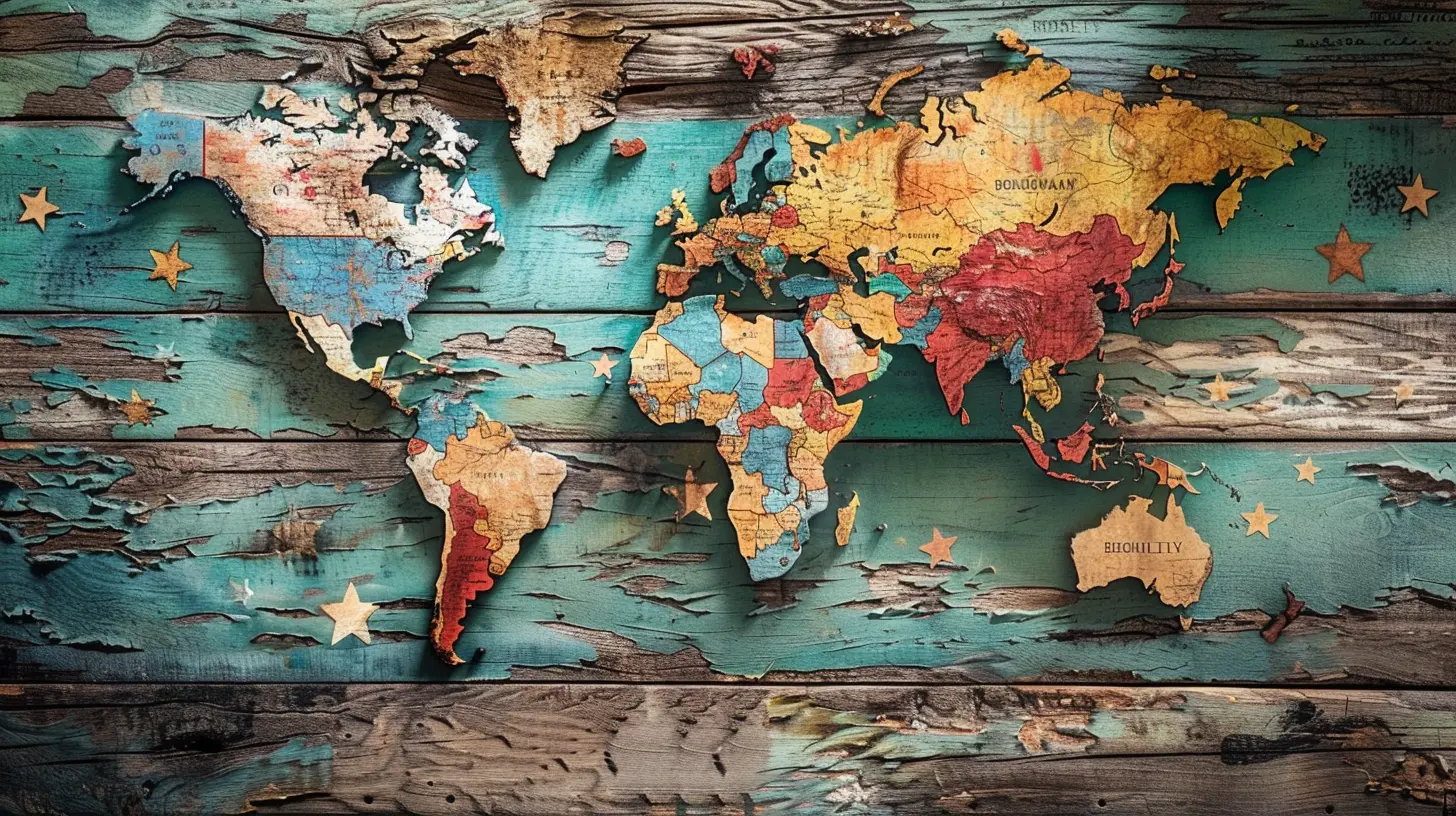
While the U.S. and Soviet Union never engaged in direct combat, they fought plenty of wars through proxies. These were wars fought in smaller, often developing, countries. Think of them as battlegrounds where the superpowers played out their ideological conflict without getting their own hands too dirty.Key Proxy Wars
1. Korean War (1950-1953): This war was one of the earliest examples of Cold War proxy conflicts. The U.S. supported South Korea, while the Soviet Union and China backed North Korea. The result? A divided Korea, which still exists today.2. Vietnam War (1955-1975): The U.S. got deeply involved in Vietnam, aiming to prevent the spread of communism in Southeast Asia. Despite enormous resources poured into the conflict, the U.S. ultimately withdrew, leading to the unification of Vietnam under communist control. This war had significant implications for U.S. foreign policy and its global standing.
3. Afghan War (1979-1989): On the flip side, the Soviet Union got bogged down in Afghanistan, fighting against U.S.-backed Mujahedeen fighters. You could say this was the Soviet Union’s own version of Vietnam—a costly, unwinnable war that contributed to its eventual collapse.
These proxy wars shaped global alliances and complicated diplomatic relations. Countries that might have otherwise remained neutral were dragged into the fray, further polarizing the world.
The Role of Nuclear Weapons: A New Kind of Diplomacy
If you want to talk about how the Cold War shaped international relations, you can’t ignore the nuclear arms race. Both the U.S. and Soviet Union amassed massive stockpiles of nuclear weapons, leading to the concept of Mutually Assured Destruction (MAD). Basically, if one side launched a nuclear attack, the other side would retaliate, wiping out both countries—and perhaps the entire world.Deterrence and Diplomacy
MAD wasn’t just a catchy acronym; it was a whole new way of thinking about warfare and diplomacy. Nuclear weapons became tools of deterrence rather than actual warfare. The constant threat of annihilation actually forced the two superpowers to engage in more diplomacy than they might have otherwise.For example:
- The Cuban Missile Crisis in 1962 brought the world to the brink of nuclear war, but it also led to back-channel diplomacy between the U.S. and the Soviet Union. Afterward, both countries realized the need for better communication, leading to the establishment of a direct hotline between Washington and Moscow.
- Treaties like the Nuclear Non-Proliferation Treaty (NPT) in 1968 and the Strategic Arms Limitation Talks (SALT) in the 1970s were direct results of this new kind of nuclear diplomacy. These agreements aimed to limit the spread and development of nuclear weapons, creating a framework for arms control that still exists today.
The Birth of International Organizations
Another long-lasting impact of the Cold War was the creation and strengthening of international organizations. Although the United Nations (UN) was founded before the Cold War, in 1945, its role and influence were deeply shaped by Cold War politics.The UN’s Role During the Cold War
The United Nations became a platform for Cold War diplomacy, especially in the Security Council, where the U.S. and Soviet Union often butted heads. While the UN struggled to play a decisive role in resolving conflicts due to superpower rivalry, it did contribute to peacekeeping efforts in various global hotspots.Cold War dynamics also led to the creation of other organizations aimed at promoting cooperation and preventing conflict, such as the International Atomic Energy Agency (IAEA), which sought to monitor nuclear weapons and prevent their spread.
New Alliances Formed
In response to the Cold War, various military and economic alliances were formed, many of which still shape international relations today:- NATO (North Atlantic Treaty Organization): Established in 1949, NATO was a collective security arrangement designed to protect Western Europe from Soviet aggression. Even after the Cold War, NATO remains a key player in global security issues.
- The Warsaw Pact: This was the Soviet Union’s answer to NATO, bringing together Eastern Bloc countries in a military alliance. While it dissolved after the Cold War, its existence solidified the East-West divide for decades.
The Cold War and the Non-Aligned Movement
Interestingly, not every country wanted to take sides during the Cold War. Some nations, particularly newly independent ones in Africa, Asia, and Latin America, formed the Non-Aligned Movement (NAM), choosing not to align with either the U.S. or the Soviet Union.A Third Way
The Non-Aligned Movement sought to provide an alternative to the East-West divide. These countries didn’t want to be pawns in the Cold War chess game; they aimed to pursue their own paths, often focusing on development and independence from former colonial powers.While the Non-Aligned Movement didn’t always succeed in staying neutral (many members were drawn into the superpower rivalry), it did represent a significant shift in international relations. The emergence of a "third way" showed that the world wasn’t entirely beholden to the U.S.-Soviet rivalry. Today, many countries still follow a non-alignment strategy, seeking to avoid entanglement in global power struggles.
The End of the Cold War: A New World Order?
The Cold War officially ended in 1991 with the collapse of the Soviet Union, but its impact on international relations didn’t just vanish overnight. The end of the Cold War ushered in a new era of U.S. dominance, often referred to as a unipolar world. For a time, it seemed like the U.S. was the world’s sole superpower, shaping global policy without serious opposition.But here’s the kicker: while the Cold War may have ended, its legacy continues to shape international relations today. The tensions between NATO and Russia, the nuclear ambitions of countries like North Korea and Iran, and the ongoing influence of former Cold War alliances all trace their roots back to this period.
The Rise of China
And let’s not forget about China. During the Cold War, China was mostly aligned with the Soviet Union but later pursued its own path under Mao Zedong. Today, China is a global superpower in its own right, and its rise has shifted international relations once again, leading to a more multipolar world where power is distributed among several major players, including the U.S., China, Russia, and the European Union.Conclusion: The Cold War’s Lasting Legacy
So, how did the Cold War shape international relations? In more ways than we can count! It created a bipolar world order, led to proxy wars that devastated nations, birthed nuclear diplomacy, and established international organizations that still influence global politics today. Even though the Cold War ended decades ago, its legacy continues to ripple through international relations, from the alliances we maintain to the conflicts we face.In short, the Cold War didn’t just shape international relations—it redefined them. And in many ways, we’re still living in its shadow.
all images in this post were generated using AI tools
Category:
Social StudiesAuthor:

Fiona McFarlin
Discussion
rate this article
2 comments
Amalia Sheppard
Ah yes, the Cold War—when nations skillfully danced around each other like awkward teenagers at prom, all while trying not to spill their punch. What a charming era!
December 21, 2025 at 3:45 AM
Fiona McFarlin
A charmingly tense dance indeed—one that still sets the rhythm for global politics today.
Aaron Becker
The Cold War fundamentally transformed international relations by establishing a bipolar world order, characterized by ideological competition between the U.S. and the Soviet Union. This period fostered military alliances, proxy wars, and a focus on nuclear deterrence, shaping diplomatic strategies and influencing global governance structures that persist in contemporary geopolitics.
December 19, 2025 at 1:54 PM
Fiona McFarlin
Absolutely! The Cold War indeed redefined global dynamics, creating a bipolar order that continues to influence international relations, alliances, and security strategies today.