How Technology Can Enhance Creativity in Education
8 December 2025
In a world where tech is changing faster than the latest TikTok trend, it's clear that education can no longer be stuck in the past. Chalkboards and overhead projectors? Those are practically antiques now. Today’s classrooms are buzzing with digital tools, and while some folks worry that technology might stifle young imaginations, the truth is—it does the opposite. When used right, technology can be a huge creativity booster for both students and teachers.
Let’s dive into how tech isn’t just changing education; it’s unleashing an entirely new wave of creative potential.
Why Creativity Matters in Education
Before we geek out over gadgets, let’s talk about why creativity even matters in education.Creativity isn’t just about art and music. It’s problem-solving. It’s thinking outside the box. It’s finding new ways to express an idea or approach a challenge. In today’s world, where industries evolve overnight and automation is everywhere, being able to think creatively is a superpower.
And guess what? Creativity isn’t just something you're born with—it's something that can be nurtured. Especially in classrooms that embrace modern tools.
The Old School vs. The New School
Let’s be honest. Traditional education systems have often been focused on memorization and repetition. Think rows of desks, standardized tests, and one-size-fits-all teaching methods. Sound familiar?Now, enter technology.
It’s like opening a window in a stuffy room. Suddenly, students aren’t limited to textbooks or a single point of view. With just a few clicks, they can explore virtual museums, build 3D models, or even code their own games. That’s not just engaging—it’s empowering. It encourages them to experiment, take risks, and express their ideas in totally new ways.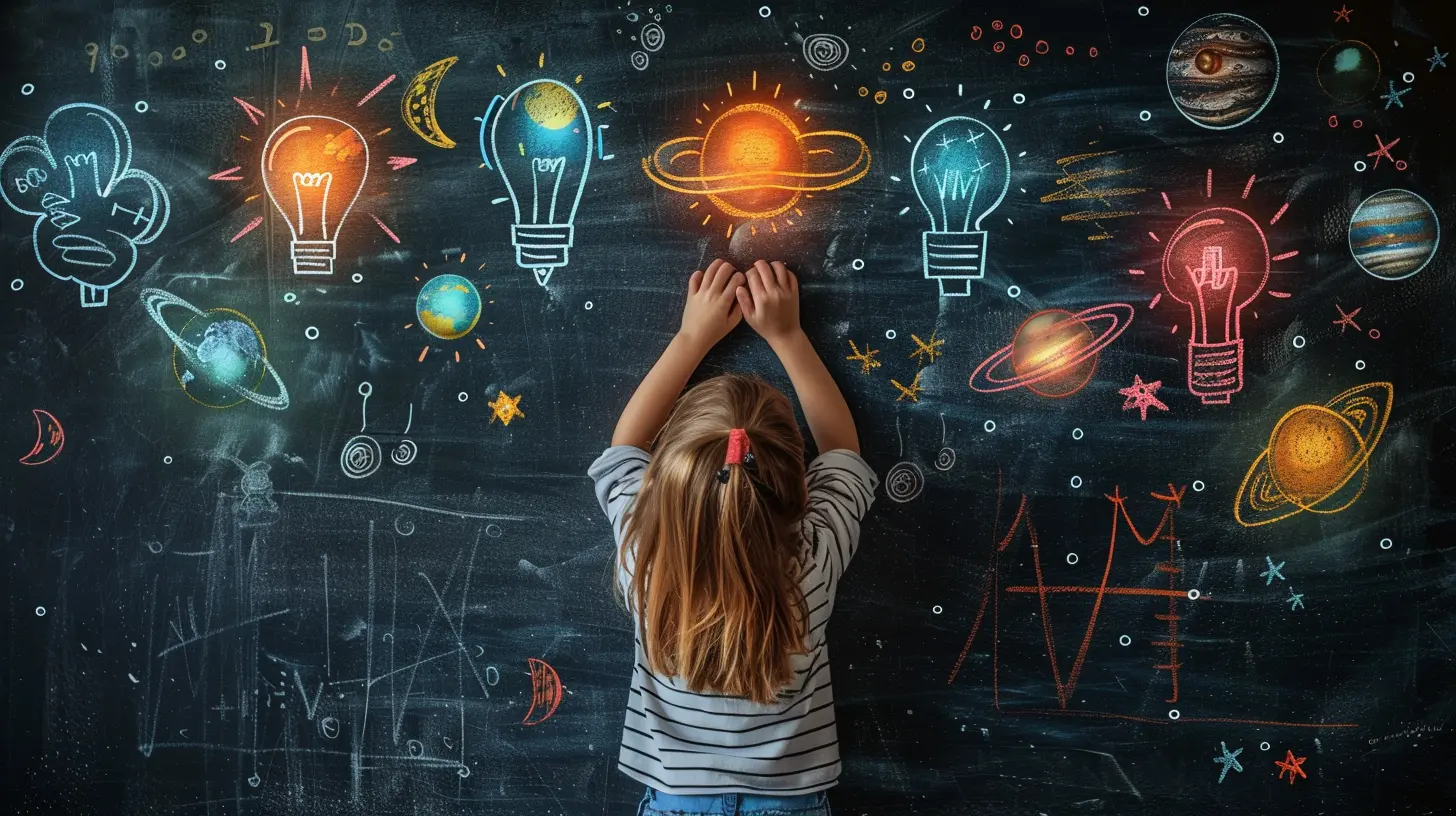
1. Digital Tools Open New Doors for Self-Expression
Ever met a student who struggles to write essays, but can create amazing videos or animations that tell a powerful story? Here’s the thing: not every student communicates the same way. Some are visual learners. Others think in code, shapes, or sounds.Tech tools like Canva, Adobe Express, or iMovie allow students to turn their ideas into visual masterpieces. Podcasting apps and music editing software? Perfect for the kids who think in audio. Even simple tools like voice-to-text features can help bridge the gap for students who find writing a challenge.
By giving students a variety of digital avenues to show what they know, we’re not just engaging them—we’re letting their unique creativity shine.
2. Game-Based Learning Turns Lessons into Adventures
Let’s face it: learning about the water cycle from a textbook isn’t exactly thrilling. But what if you could explore it through an interactive game where you become a rain droplet navigating clouds and puddles?Gamification in education is a game-changer (pun intended). Platforms like Kahoot!, Minecraft: Education Edition, and Classcraft turn lessons into missions, puzzles, and quests. It’s not just fun—it builds decision-making skills, critical thinking, and of course, creativity.
Game-based learning doesn’t just entertain—it invites students to solve problems, collaborate, and invent on the fly. That’s where real learning happens.
3. Virtual Reality: Creativity in 360 Degrees
Imagine stepping inside a Shakespearean play, walking through ancient Rome, or exploring the solar system—all without leaving your desk. That’s what VR (Virtual Reality) brings to the table.VR in education fuels curiosity and opens the floodgates of imagination. Tools like Google Expeditions or Oculus Quest enable immersive storytelling and experiential learning. When students are “in” the environment, they engage more deeply and come up with questions and ideas they might never have otherwise imagined.
It’s like turning education into a choose-your-own-adventure book—with endless possibilities.
4. Collaboration Across Continents
Back in the day, your classroom bubble was pretty tight. Maybe you worked with a partner or did a group project with five classmates. But now? A student in Boston can brainstorm ideas with someone in Bangkok in real time.Thanks to tech tools like Google Docs, Zoom, and Padlet, collaboration knows no borders. Students can co-create with others who bring different perspectives, cultures, and ideas to the table. And when creativity is fueled by diverse input, it levels up big time.
Plus, working with people from around the world teaches empathy, communication, and teamwork—skills every future innovator needs.
5. Coding: The New Language of Creativity
Ask any developer, and they’ll tell you—coding is an art. It’s not just lines of numbers and punctuation. It’s a way to build apps, games, websites, and even robots that solve real-world problems.That’s why schools that teach coding aren’t just preparing students for tech careers; they’re helping them think logically and creatively at the same time.
Platforms like Scratch, Tynker, and Code.org make coding accessible to even the youngest learners. Kids can create their own animated stories, games, or interactive art—learning crucial STEM skills while unleashing their imaginations.
6. Personalized Learning = Personalized Creativity
One of the coolest things tech brings to education is personalization. No two learners are alike—so why should their learning paths be?With AI-powered platforms like Khan Academy, IXL, and Edmodo, students get content tailored to their pace and style. Instead of slogging through lessons they’ve already mastered or struggling to keep up, they get exactly what they need, when they need it.
And when learners aren’t under pressure or confused, their brains can relax—and get creative.
It's like having a GPS for learning: you still drive the car, but the tech helps you find the best route for you.
7. Teachers: From Lecturers to Creative Facilitators
Let’s not forget the educators in all of this. Technology doesn’t replace teachers—it superpowers them.Instead of spending all day delivering the same lecture five times, teachers can use flipped classrooms, video lessons, and interactive tools to free up time for creative projects and hands-on learning.
Think of the teacher as the director of a movie. Tech gives them more cameras, more lenses, and more special effects to work with. They can guide, support, and inspire students in more ways than ever before.
8. Real-World Projects with Real-World Tech
We live in a project-based world—so why not bring that into the classroom?With access to real-world tools like design software, data dashboards, and even AI applications, students can work on real issues. Want to visualize climate change in their hometown? Build an app for mental wellness? Create a social media campaign for a cause they care about?
Technology makes it possible. And when students realize they can actually make an impact, their creativity—and confidence—soar.
9. Breaking Down Barriers with Assistive Tech
Creativity should be for everyone. Thankfully, tech makes that happen.Assistive technologies like screen readers, speech-to-text tools, and adapted devices help students with disabilities participate, create, and contribute fully. No more one-size-fits-all education—just endless possibilities for every mind.
When we make classrooms more accessible, we make them more creative.
Potential Pitfalls: Are There Downsides?
Okay, let’s be real. Technology isn’t some magic wand. It has its hiccups. Too much screen time? Not great. Tech glitches? Frustrating. And yeah, not every tool out there is actually helpful.That’s why it’s all about balance and smart integration. The goal isn’t to make education more digital—it’s to make it more meaningful. Use tech as a tool, not a crutch. Combine it with strong teaching, creativity, and human connection, and you’ve got a recipe for magic.
Final Thoughts: Creativity Needs a Spark—Tech Can Be the Match
Look, creativity isn’t just about painting or poetry—it’s about how we approach problems, communicate ideas, and bring new visions to life. And in the classroom, nothing sparks that creative fire quite like technology.When students use tech to explore, experiment, and express who they are, education becomes more than just a means to a grade. It becomes a playground for imagination—a place where anything is possible.
So, the next time someone says technology is making students less creative, you can smile and say: “Not if we use it right.”
Because when we blend creativity with the power of technology, the future of education isn’t just bright—it’s brilliant.
all images in this post were generated using AI tools
Category:
Creativity In EducationAuthor:

Fiona McFarlin
Discussion
rate this article
2 comments
Kiera Henderson
This article brilliantly highlights how technology fosters creativity in education, empowering students to explore innovative ideas and collaborate effectively. A must-read for educators!
December 15, 2025 at 8:29 PM
Fiona McFarlin
Thank you for your kind words! I'm glad you found the article insightful. Empowering creativity in education through technology is such an exciting journey!
Savannah Wyatt
Integrating technology in education fosters creativity by providing diverse tools for expression, collaboration, and exploration. It empowers students to think critically, engage with multimedia resources, and personalize learning experiences, ultimately enhancing their creative potential.
December 12, 2025 at 3:44 AM
Fiona McFarlin
Thank you for your insightful comment! I completely agree that technology serves as a powerful catalyst for creativity in education, enabling students to explore and express their ideas in innovative ways.