How Inclusive Education Benefits Both Disabled and Non-Disabled Students
21 August 2026
Inclusive education is more than just a trend—it’s a game-changer for both disabled and non-disabled students. When students with different abilities learn together, they not only gain academic knowledge but also develop life skills that go beyond the classroom.
But how exactly does inclusive education benefit everyone involved? Let’s dive deep and uncover the powerful advantages of learning in an inclusive environment. 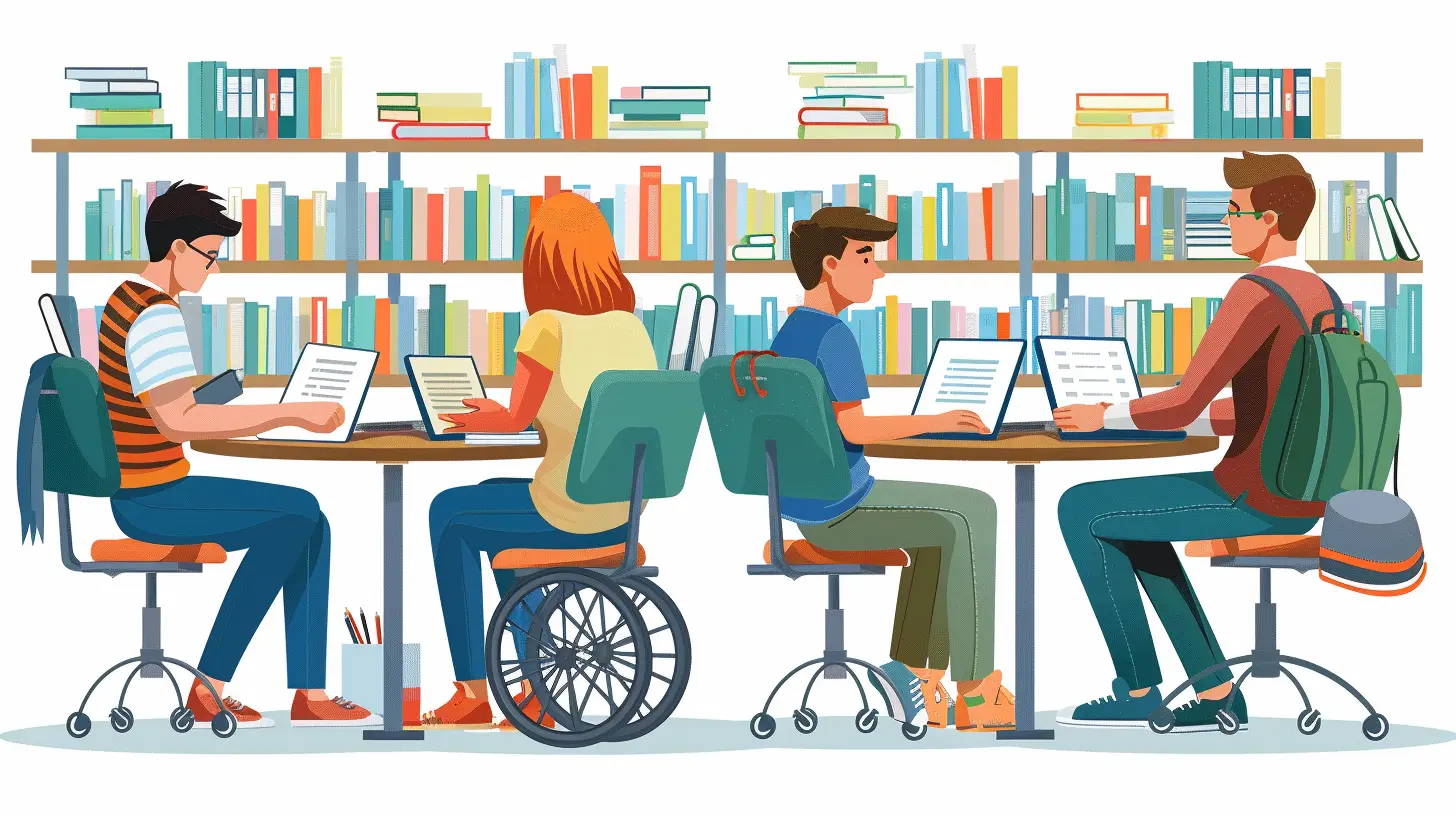
What Is Inclusive Education?
In simple terms, inclusive education means that all students, regardless of their abilities or disabilities, learn together in the same classroom. Rather than separating students into different schools or special education programs, inclusive education ensures that every child has equal access to learning opportunities.This approach isn’t just about physical inclusion—it’s about creating an environment where everyone feels valued, respected, and supported.
But is this system truly beneficial for both disabled and non-disabled students? Absolutely! Let’s break it down. 
Benefits of Inclusive Education for Disabled Students
1. Boosts Self-Esteem and Confidence
Imagine being placed in an environment where you feel like an outsider. That’s what happens when students with disabilities are segregated. Inclusive education eliminates this barrier, helping disabled students feel like they belong.Being part of a mainstream classroom boosts their confidence, showing them that they are just as capable as their peers. This empowerment can have a lasting impact on their self-worth and motivation to succeed.
2. Encourages Social Interaction and Friendships
Socialization is a key part of education. When disabled students interact with their non-disabled peers daily, they build friendships, improve communication skills, and feel more connected.Instead of being isolated, they get to experience normal social interactions, which improves their emotional and psychological well-being. And let’s be honest—having a strong support system in school makes the learning experience so much better.
3. Promotes Better Academic Performance
Many people assume that inclusive education might slow down the learning process for students with disabilities. However, research suggests the opposite! When students with disabilities are included in regular classrooms, they often perform better academically than they would in segregated settings.Why? Because they are exposed to high expectations, better teaching techniques, and a stimulating environment that challenges them to reach their full potential.
4. Prepares Them for the Real World
The real world is not segregated. Inclusive education prepares disabled students for life beyond the classroom by teaching them how to navigate a world that includes people of all abilities.They learn how to adapt, advocate for themselves, and work alongside non-disabled individuals—skills that will benefit them when they enter the workforce and society as a whole. 
Benefits of Inclusive Education for Non-Disabled Students
1. Develops Empathy and Compassion
One of the most powerful benefits of inclusive education for non-disabled students is that it nurtures empathy. When they learn alongside students with disabilities, they develop a deeper understanding of different challenges.Instead of fearing or misunderstanding disabilities, they gain awareness and learn how to be more accepting, compassionate, and supportive individuals. And let’s face it—the world could use a little more kindness!
2. Enhances Problem-Solving and Creativity
Working in an inclusive environment often requires creative thinking. Non-disabled students learn to approach problems from different perspectives, adapt to various learning styles, and think outside the box.This ability to innovate and adjust is an essential life skill that will help them in their future careers and relationships.
3. Improves Collaboration and Teamwork
Inclusive classrooms encourage teamwork. When students of varying abilities work on projects together, they learn the value of cooperation, patience, and understanding.These experiences teach them how to work effectively with diverse groups of people—an essential skill in today’s workforce.
4. Breaks Down Stereotypes and Reduces Bullying
Let’s be real—bullies thrive in ignorance. When students are unfamiliar with disabilities, they may resort to teasing or exclusion. However, when students grow up in inclusive classrooms, they see disabilities as just another part of human diversity.This exposure helps shatter stereotypes, promote acceptance, and drastically reduce bullying.
5. Prepares Them for a Diverse World
The world is diverse, and the workplace is no exception. When non-disabled students experience inclusive education, they become more prepared to manage diverse environments in their future careers and communities.Whether they become doctors, teachers, or business leaders, they’ll be more equipped to work with people of all abilities, making society more inclusive overall. 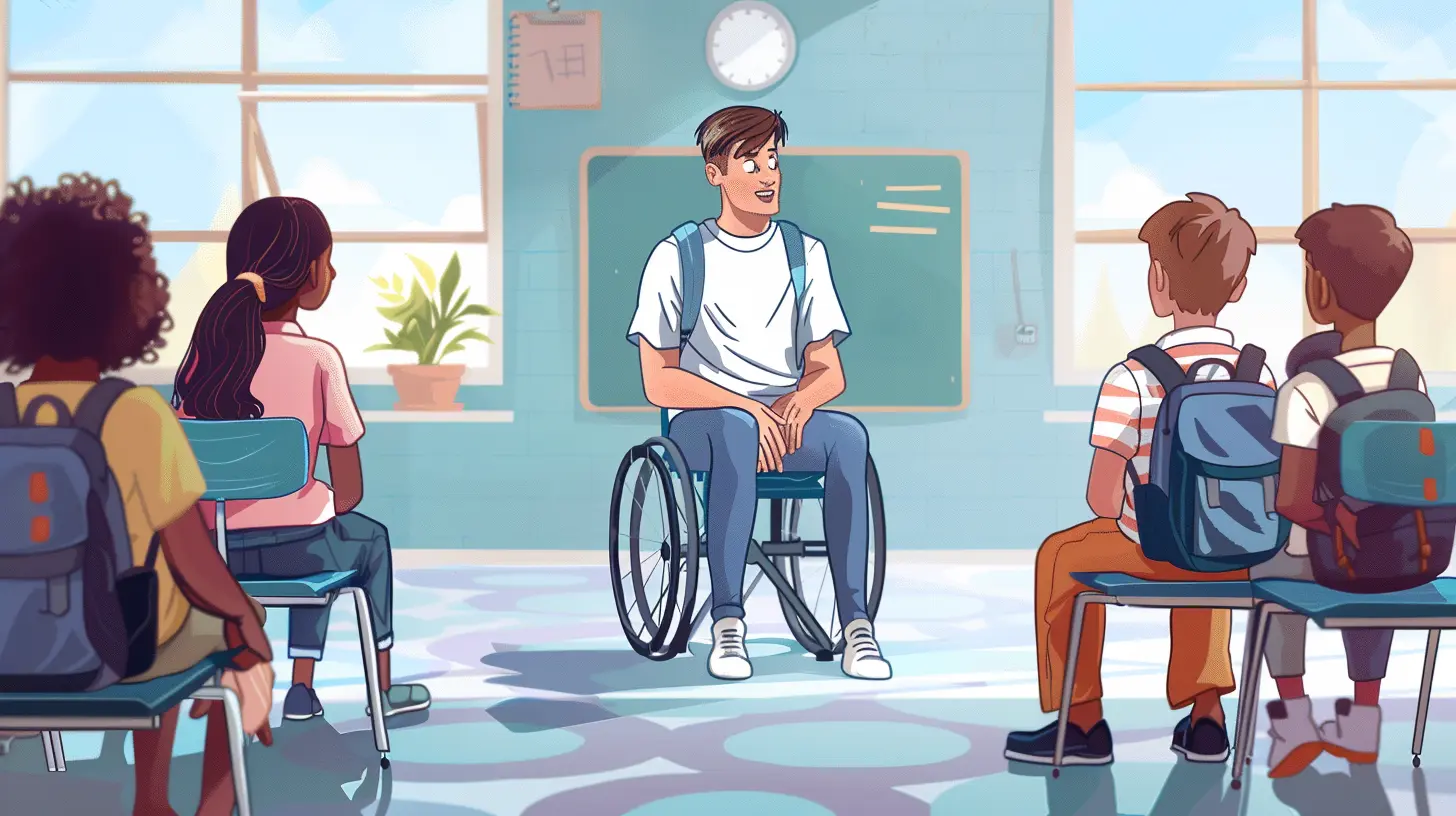
How Teachers Play a Crucial Role in Inclusive Education
Teachers are the backbone of inclusive education. Their approach can make or break the success of an inclusive classroom. Here’s how teachers can create a thriving environment for all students:1. Use Differentiated Teaching Methods
Every student learns differently. Some might need visual aids, while others thrive with hands-on activities. By using diversified teaching strategies, educators can ensure that all students, regardless of ability, can grasp the material.2. Encourage Peer Support and Collaboration
Setting up buddy systems or group projects that mix students of different abilities fosters natural support structures. This not only helps disabled students academically but also reinforces teamwork skills for non-disabled students.3. Provide Necessary Accommodations
Simple accommodations—such as assistive technology, modified seating arrangements, or additional time for assignments—can make a huge difference. Teachers who ensure these needs are met create an environment where every student can thrive.4. Promote a Culture of Respect and Inclusion
A classroom should be a safe space for everyone. Teachers who actively promote respect, open discussions, and inclusion help eliminate biases and hostility among students.Challenges of Inclusive Education (And How to Overcome Them)
While inclusive education is highly beneficial, it does come with challenges. Here are some common hurdles and potential solutions:1. Lack of Resources
Some schools may not have the necessary resources, such as trained staff, assistive technology, or specialized learning materials.Solution: Governments and educational institutions should invest in training programs and better infrastructure to support inclusive learning.
2. Teacher Training Gaps
Not all teachers are equipped to handle inclusive classrooms effectively.Solution: Continuous professional development programs should be implemented to train teachers on inclusive teaching strategies.
3. Resistance from Parents or Staff
Some parents or educators may believe that inclusive education lowers academic standards or is unfair to non-disabled students.Solution: Raising awareness through workshops and success stories can help change misconceptions and build support for inclusive practices.
Final Thoughts
Inclusive education isn’t just about giving disabled students a seat in the classroom—it’s about creating a learning environment where everyone benefits. Both disabled and non-disabled students gain valuable life skills, break down barriers, and prepare for a future that values diversity and inclusion.At the end of the day, education isn’t just about academics—it’s about shaping individuals who will contribute to a more accepting and inclusive world. And that’s something worth striving for, don’t you think?
all images in this post were generated using AI tools
Category:
Inclusive EducationAuthor:

Fiona McFarlin