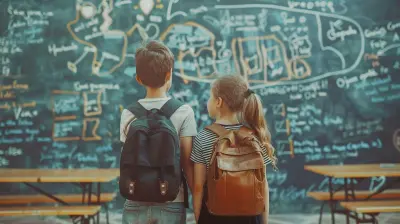
How Collaborative Learning Supports Equity in the Classroom
15 March 2026
Let’s face it—education has had a long-standing equity problem. We’ve all seen it: students from diverse backgrounds sitting in the same classroom but not always getting the same shot at success. And one-size-fits-all teaching methods? Well, they often leave too many behind. That’s where collaborative learning comes into play. Not only does it spice up classroom dynamics, but it also levels the playing field.
So, how exactly does collaborative learning support equity in the classroom? Grab a coffee, get comfy, and let’s dig in.
What is Collaborative Learning Anyway?
First, let’s get on the same page. Collaborative learning is an educational approach where students work together in small groups to solve problems, complete tasks, or understand new concepts. It’s not just "group work" for the sake of it. We're talking about intentional, meaningful collaboration that promotes active participation, shared responsibility, and mutual respect.Think of it like a potluck dinner. Everyone brings something unique to the table, and together, all participants enjoy a richer, fuller experience. No single dish—err, student—carries the whole load.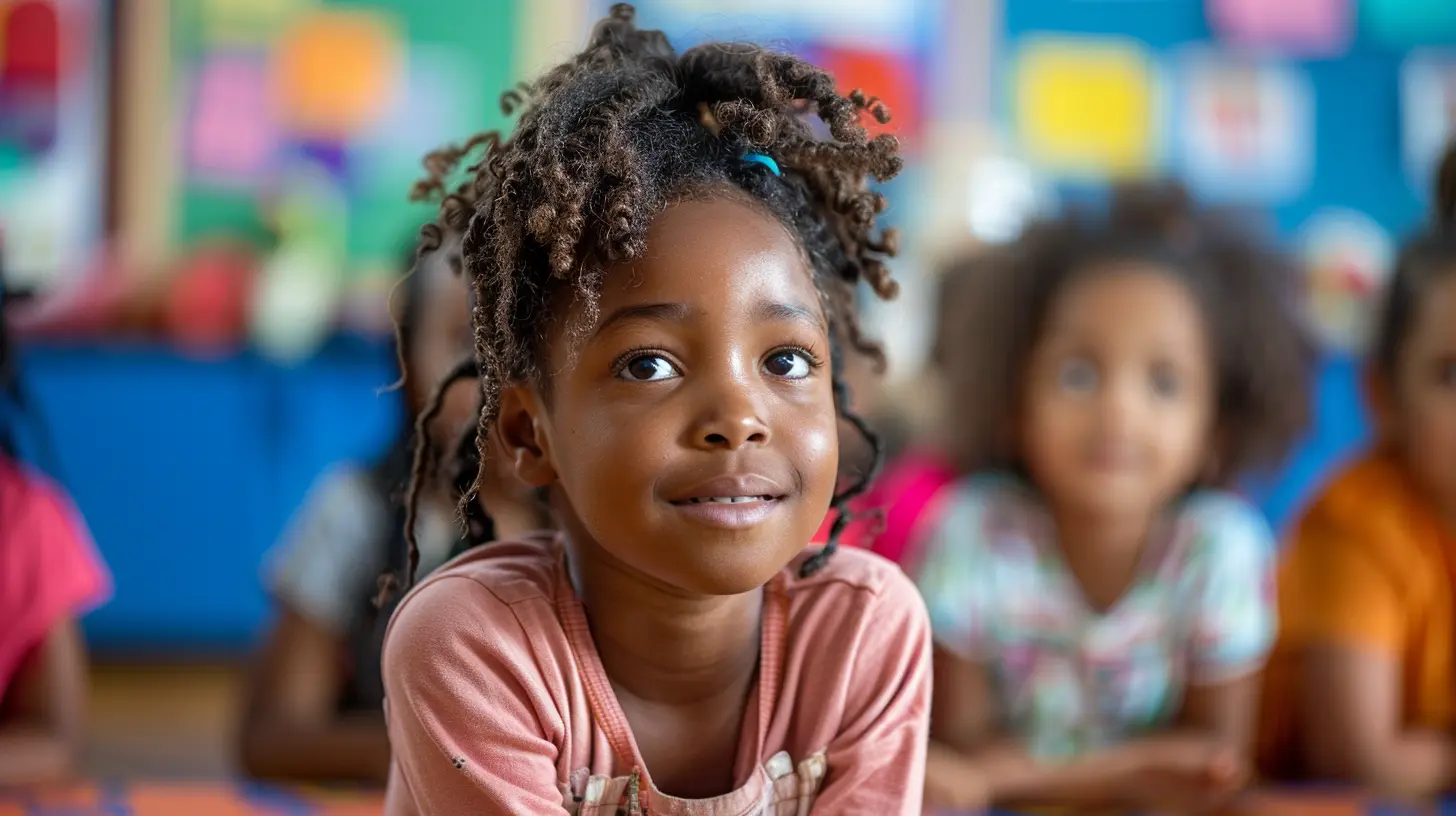
Why Equity in Education Matters More Than Ever
Before diving deeper into how collaborative learning promotes equity, let’s quickly unpack what we mean by equity in education.Equity ≠ Equality.
Equality is giving every student the exact same resources. Equity, on the other hand, means giving each student what they need to succeed. It’s about acknowledging that not all students start at the same point and tailoring support to bridge those gaps.
The achievement gap? The opportunity gap? Those aren’t just buzzwords—they’re real issues affecting students across the world, especially marginalized groups. So, making classrooms more equitable isn’t just “nice.” It’s absolutely essential.
The Power of Collaborative Learning to Drive Equity
Now here’s the good stuff. Collaborative learning doesn’t just help students work better—it helps them work fairer. Here's how.1. It Gives Every Student a Voice
In a traditional classroom, the loudest students often dominate the discussion. Others might hang back, unsure if their ideas will be welcomed—or even heard.But collaborative learning changes the game. Small group settings create safer spaces where quieter students feel more comfortable speaking up. Peer-to-peer interaction nurtures confidence because students aren’t performing for a crowd—they’re contributing to a conversation.
Everyone has a say. Everyone matters.
2. Builds a Culture of Inclusivity
When students work together, they start seeing and valuing their differences. Instead of “me vs. you,” it becomes “us vs. the problem.” That shift is critical for fostering a more inclusive environment.Students from different backgrounds can share their perspectives and learn from others. Cultural nuances become assets, not obstacles. And that’s when the magic happens—walls come down, empathy goes up.
3. Reduces Power Imbalances
Let’s be real: classrooms can have invisible hierarchies. The “gifted” kids, the “struggling” kids, the “troublemakers”—labels stick. And they can crush a student’s sense of belonging.But in a strong collaborative setup, roles rotate. Sometimes you lead, sometimes you follow, but every role matters. This dynamic helps dismantle those unspoken power imbalances. When students see that everyone has something to contribute, they start treating each other more as equals.
4. Promotes Multiple Ways of Learning
Not every student learns the same way. Some of us need to hear it, others need to see it, and some—well, we just have to do it ourselves.Collaborative learning covers all those bases. It naturally incorporates visual, auditory, and kinesthetic learning styles. Students can explain concepts in their own words, use drawings or diagrams, and even act things out. The diversity of approaches helps ensure that more students are reached in ways that resonate with them.
It’s like turning on the subtitles, adjusting the brightness, and rewinding the movie when needed—everyone gets a better view.
5. Encourages Critical Thinking for All
In traditional classrooms, critical thinking can sometimes become a luxury—something reserved for “advanced” students. But with collaborative learning, every student gets the chance to reason, debate, and question.Suddenly that English Language Learner is offering a unique interpretation of a poem. That student with a learning difference is solving a math problem in a way no one expected. Collaborative spaces make critical thinking the norm, not the exception.
And that’s exactly what equity demands.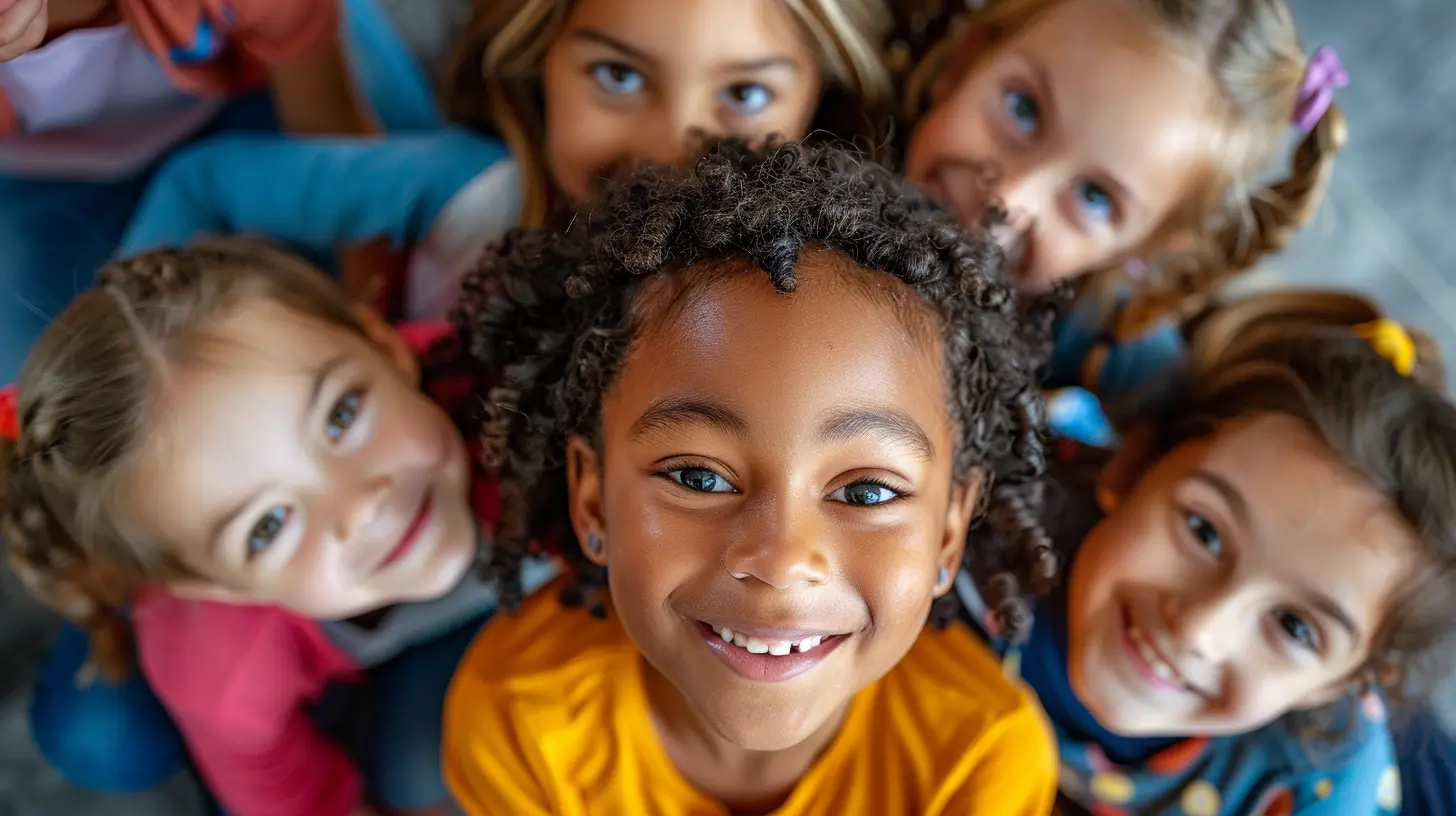
Practical Strategies to Make Collaborative Learning More Equitable
Now you might be thinking, “Okay, this sounds great. But how do I make sure collaborative learning actually supports equity in my classroom?”Glad you asked.
1. Design Diverse Groups Thoughtfully
Random grouping can be a mixed bag. To truly support equity, plan groups with intention. Mix students of different skill levels, backgrounds, and learning styles. But do it with care—no one wants to feel like the “helper” or the “helpless.”Avoid making students represent their entire culture or putting them in stereotyped roles. Aim for balance and fairness.
2. Set Clear Norms and Roles
Just tossing students into groups isn’t enough. Set expectations from the get-go.Define roles—like facilitator, recorder, timekeeper, and presenter—to ensure responsibilities are shared. Rotate these roles regularly so everyone gets a shot at different skills.
When all students know the rules and their role, collaboration flows more smoothly and equitably.
3. Give Scaffolding and Support
Not every student enters a group with the same collaborative skill set. Teach them how to listen actively, give constructive feedback, and build on each other's ideas.Use sentence stems like:
- “I agree with you, and I’d like to add…”
- “Can you explain what you meant by…?”
- “Let’s make sure everyone’s idea is heard.”
These simple tools empower students to speak and be heard.
4. Assess the Process, Not Just the Product
If you only grade the final outcome, you’re missing half the picture. Pay attention to how students work together. Did everyone participate? Was there equal opportunity to contribute?Use rubrics that include collaboration, communication, and problem-solving. Give feedback not just on what they did but how they did it.
5. Check Your Own Biases
Teachers—yep, I’m talking to you now. We all come with unconscious biases. Maybe you expect more from certain students or put others in leadership roles without even realizing it.Reflect on your choices. Audit your groupings. Ask yourself, “Am I giving every student an equal shot to shine?”
Equity starts with self-awareness.
The Ripple Effect: Beyond the Classroom
The benefits of collaborative, equitable learning don’t stop at the classroom door. Students carry these lessons into the real world—into their careers, communities, and relationships.They learn to navigate differences, work through challenges, and value diverse contributions. They become not just better students, but better humans. And honestly? That’s the kind of education the world sorely needs.
Real Talk: Challenges and How to Tackle Them
Let’s not sugarcoat it—collaborative learning with an equity focus isn’t always sunshine and rainbows. There are hiccups. But don’t worry, we’ve got solutions.Challenge: Some Students Dominate
Fix: Set norms about equal talk time. Use timers or talking chips to manage airtime. Rotate leadership roles.Challenge: Others Stay Silent
Fix: Create low-stakes opportunities for early participation. Pair-share before whole-group sharing helps build confidence.Challenge: Uneven Effort
Fix: Use peer evaluations and self-assessments to hold everyone accountable. Make collaboration part of the grade.Final Thoughts: Equity Is a Team Sport
At the end of the day, creating an equitable classroom isn’t a solo mission. It takes students, teachers, and a supportive school culture working together. Collaborative learning is more than a strategy—it’s a mindset. One where we all rise by lifting others.Because here’s the truth: when every student feels seen, heard, and valued, we don’t just teach them lessons—we teach them they matter.
And isn't that the whole point of education?
all images in this post were generated using AI tools
Category:
CollaborationAuthor:

Fiona McFarlin
Discussion
rate this article
2 comments
Marigold Cole
Collaborative learning nurtures diverse perspectives, fostering inclusivity and empowering every student’s voice.
March 19, 2026 at 4:48 AM
Fiona McFarlin
Thank you for your insightful comment! Indeed, collaborative learning enhances inclusivity by valuing diverse perspectives and empowering all students to contribute meaningfully.
Mandy Turner
Collaboration fosters inclusivity, bridging diverse learning gaps.
March 15, 2026 at 1:55 PM
Fiona McFarlin
Thank you! You're absolutely right—collaboration not only enhances learning but also creates an inclusive environment that addresses diverse needs.