How Civic Education Encourages Respect for the Rule of Law
8 July 2026
Civic education is more than just a subject in school; it's the foundation of a well-functioning society. It teaches people about their rights and responsibilities, helping them understand how governments operate and why the rule of law matters. But how exactly does civic education encourage respect for the rule of law? Let's unpack this idea and see how it shapes responsible citizens.

What Is Civic Education?
Before diving into its impact, let's cover the basics. Civic education is all about teaching individuals, especially students, the values, principles, and responsibilities of being a good citizen. It includes understanding:- The government and how it works
- Citizens’ rights and responsibilities
- The importance of laws and legal institutions
- Ethical decision-making and democratic values
When done right, civic education fosters informed, engaged individuals who contribute positively to society. But its role goes beyond just knowledge—it plays a crucial part in cultivating respect for the rule of law.

Understanding the Rule of Law
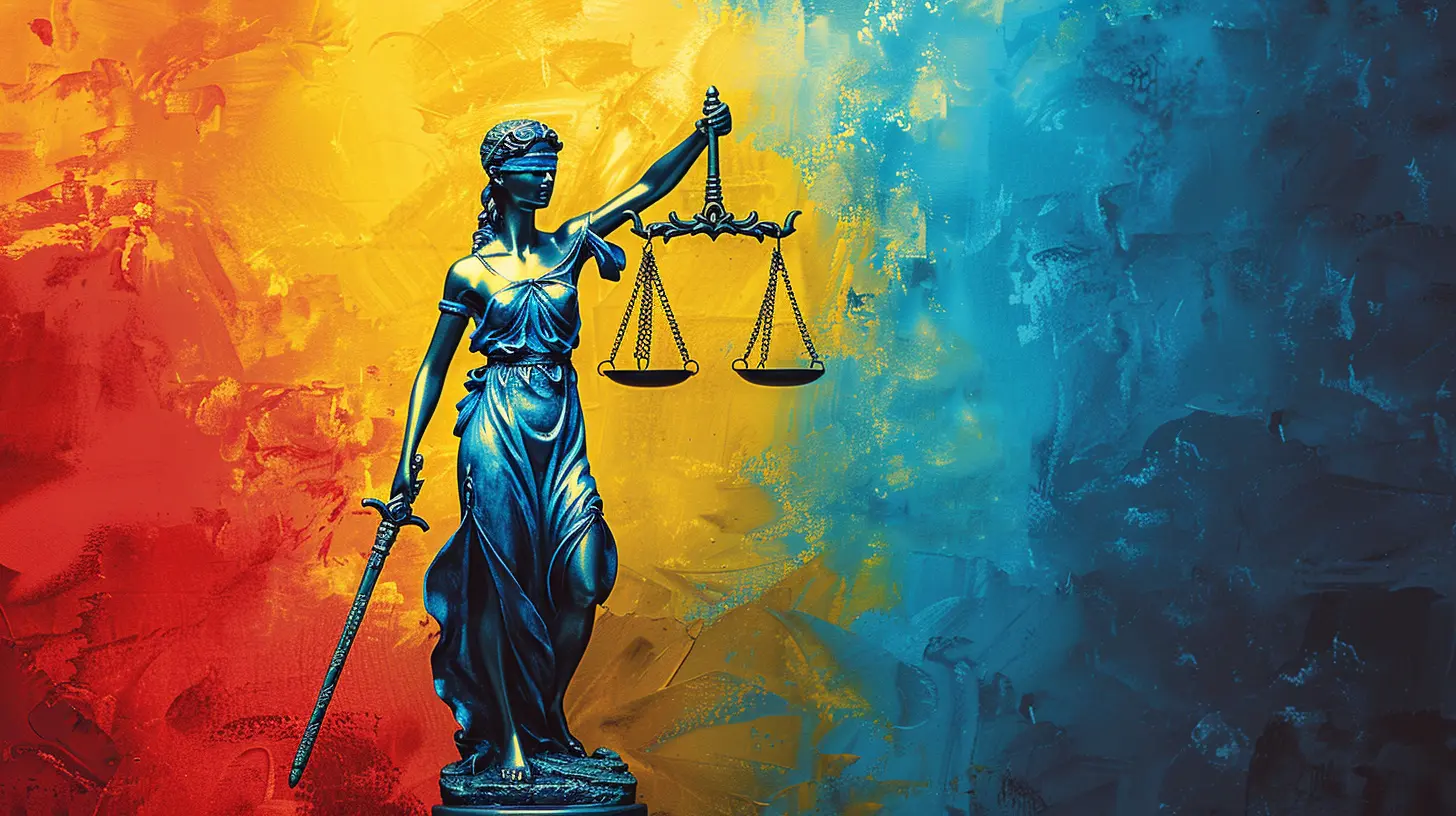
The rule of law is the idea that laws apply equally to everyone, no matter their status or position. It ensures justice, order, and fairness in society. Without it, chaos prevails, and corruption thrives. Imagine playing a sport where everyone makes up their own rules—it’d be a disaster, right? That’s what happens when the rule of law is weak.
How Civic Education Promotes Respect for the Rule of Law
So, how does civic education inspire people to respect and uphold the rule of law? Let's break it down.1. Creates Awareness About Rights and Responsibilities
People can’t respect laws if they don’t understand them. Civic education teaches individuals about their legal rights and duties, ensuring they know what’s expected of them. When people realize that laws protect their freedoms, they’re more likely to follow and uphold them.For example, if students learn about laws against discrimination, they become more conscious of treating others fairly. This knowledge helps foster a culture of respect and equality.
2. Encourages Critical Thinking and Ethical Decision-Making
Education isn’t just about memorizing facts; it’s about developing the ability to think critically. Civic education encourages students to question, analyze, and evaluate the laws governing their society.- Are these laws just?
- Who benefits from them?
- How can they be improved?
By engaging in these discussions, individuals understand that laws aren’t just rules written in books—they shape real lives. This awareness makes them more inclined to respect the law and work towards positive change when necessary.
3. Builds Trust in Legal Institutions
A society that mistrusts its justice system struggles to uphold the rule of law. Civic education helps bridge this gap by explaining how courts, police, and lawmakers function.When people see that legal institutions exist to serve justice, they’re more likely to trust and respect them. If individuals believe the legal system is fair and impartial, they’ll be more willing to follow laws rather than find ways to bypass them.
4. Discourages Corruption and Lawlessness
Corruption and lawlessness thrive in societies where people don’t respect the law. Civic education instills ethical values that help individuals recognize and condemn corrupt behavior.Think about it—if a student in school learns that offering bribes is illegal and unethical, they’re less likely to engage in corrupt practices as adults. Over time, this mindset shift can lead to a society where laws are upheld, and corruption is minimized.
5. Teaches Conflict Resolution and Peaceful Engagement
Laws exist to maintain order and resolve conflicts fairly. Civic education teaches people how to handle disputes legally rather than resorting to violence or self-justice.From a young age, students learn how to:
- Resolve disagreements through dialogue
- Respect opposing opinions
- Address grievances legally
This reduces the chances of individuals taking matters into their own hands, reinforcing the importance of legal frameworks in solving societal problems.
6. Inspires Civic Participation and Advocacy
Civic education doesn’t stop at understanding laws—it encourages people to engage actively in their communities. People who respect the rule of law often become advocates for justice, voting in elections, supporting fair policies, and challenging unjust laws.For instance, history shows us that many civil rights movements started because individuals who understood their rights fought against oppressive laws. Without education, such awareness and advocacy wouldn’t be possible.
7. Encourages Accountability in Leadership
A strong respect for the rule of law isn’t just for ordinary citizens—it’s crucial for leaders too. Civic education teaches future leaders the importance of legal frameworks and governance. When leaders understand and respect the law, they create policies that benefit society rather than serve personal interests.When citizens are educated, they also hold their leaders accountable, ensuring power isn’t misused. This creates a balanced system where everyone, from the government to ordinary people, respects the law.
The Long-Term Impact of Civic Education
The effects of civic education stretch far beyond classrooms. When societies prioritize civic learning, they build generations of individuals who:- Respect and follow laws voluntarily
- Stand up against injustice and corruption
- Encourage peaceful conflict resolution
- Hold leaders accountable for their actions
This long-term investment leads to more stable, just, and democratic communities where people understand that laws aren’t just restrictions—they’re the foundation of a functioning society.
Conclusion
Civic education isn’t just another subject—it’s a game-changer. It nurtures respect for the rule of law by educating individuals about their rights, promoting ethical values, and encouraging civic involvement. A society that values education is a society that thrives on justice, fairness, and order.So, whether in schools or communities, investing in civic education is one of the best ways to build a law-abiding and responsible society. After all, when people understand the law, they’re more likely to respect and uphold it.
all images in this post were generated using AI tools
Category:
Civic EducationAuthor:

Fiona McFarlin