How AI is Changing College Admissions in 2027
18 April 2026
Ah, college admissions—the rite of passage that many students have both dreaded and anticipated. Picture this: it’s 2027, and the college admissions landscape has transformed dramatically, thanks to artificial intelligence (AI). If you’ve ever wondered how technology could reshape this process, you’re in for a treat. Let’s dive into the intriguing world of AI in college admissions and see how it’s making waves.

The Evolution of College Admissions
A Brief History
Before we jump into the AI revolution, let's take a stroll down memory lane. College admissions have historically been a subjective process, often relying on human judgment. Think about it: application essays, recommendation letters, and standardized test scores all played pivotal roles. But, as we moved into the 21st century, the process began to evolve.Enter AI: The Game-Changer
Fast forward to 2027, and AI has become a key player in this arena. Imagine algorithms crunching numbers and analyzing data faster than you can say “college acceptance letter.” AI doesn’t just speed things up; it also introduces a level of objectivity that was previously unattainable. But what does that really mean for students and institutions alike?
How AI is Impacting Admissions Decisions
Streamlined Application Processes
One of the most significant changes AI has brought to college admissions is the streamlining of application processes. Gone are the days when students had to fill out mountains of paperwork and wait anxiously for months. AI-powered systems now allow students to submit applications through user-friendly platforms that automatically sort and categorize their information.Personalized Application Experiences
Imagine applying to college with a system that understands your unique strengths and weaknesses. AI does just that! It can analyze your academic history, extracurricular activities, and personal interests to create a tailored application experience. Think of it as having a personal admissions coach, guiding you through the process and highlighting your best features.Predictive Analytics in Admissions
Predictive analytics is another fascinating aspect of AI in college admissions. By analyzing vast amounts of data, AI can identify trends and patterns that might not be visible to the naked eye. For example, it can predict which students are more likely to succeed at a particular institution based on their past performance, engagement levels, and even social media presence.The Role of Data in Decision-Making
With predictive analytics, colleges can make more informed admissions decisions. Picture this: instead of relying solely on gut feelings or traditional metrics, admissions committees can now use data-driven insights to identify students who are likely to thrive and contribute to campus life. It’s almost like having a crystal ball for predicting student success!Reducing Bias in Admissions
Bias has long been a concern in college admissions, whether it’s unconscious bias or systemic issues. AI has the potential to mitigate these biases by using objective criteria to evaluate applicants. For instance, algorithms can be designed to focus solely on academic achievements and relevant experiences, minimizing the influence of factors like race, gender, or socioeconomic status.The Ethical Considerations
Of course, with great power comes great responsibility. The use of AI in admissions raises ethical questions. How do we ensure that the algorithms are trained on unbiased data? How can we trust that AI won’t perpetuate existing inequalities? These are crucial conversations that institutions must engage in as they embrace AI technologies.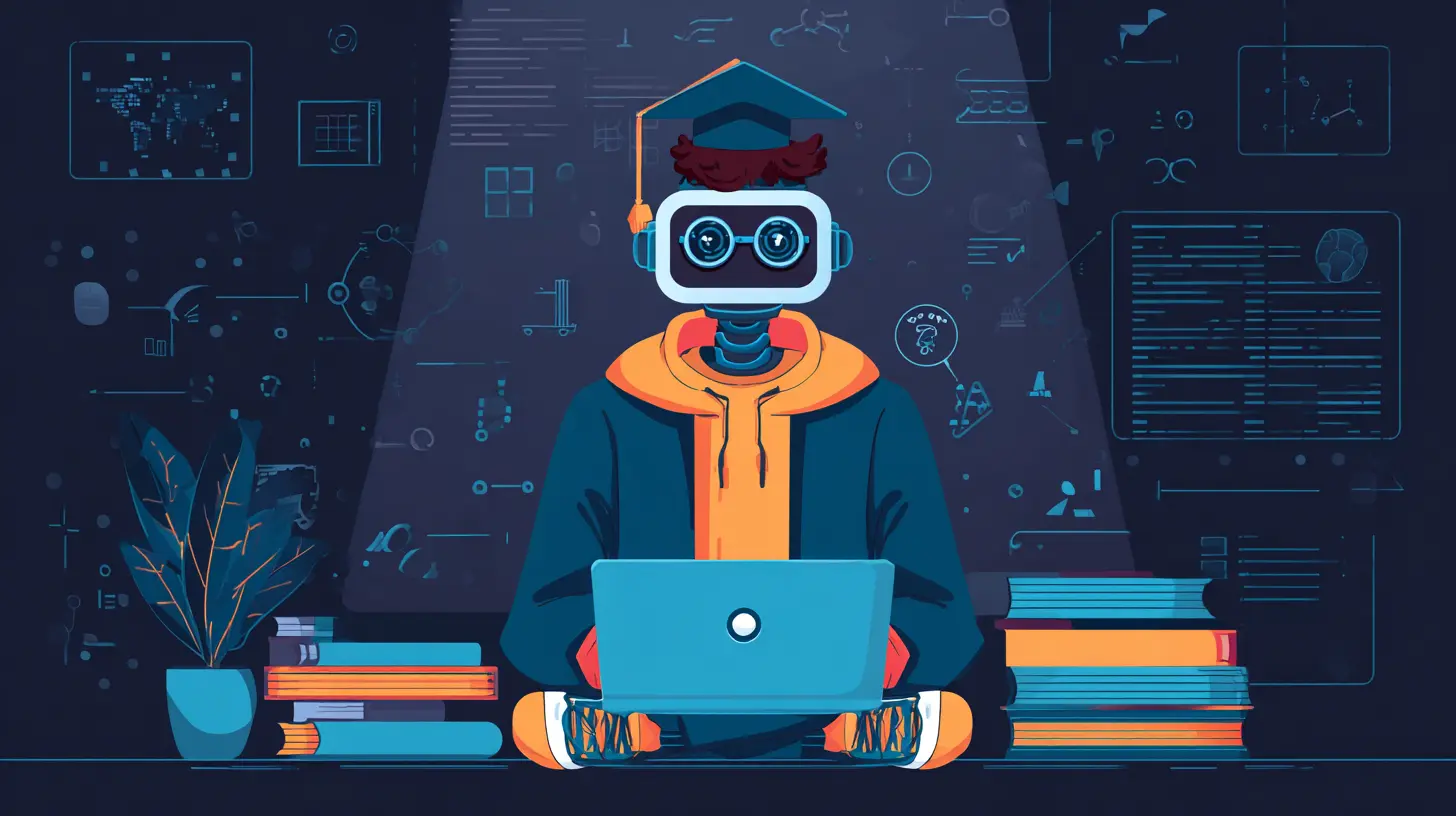
The Student Experience in 2027
Transparency in the Admissions Process
In 2027, students can expect a more transparent admissions process. Imagine receiving feedback on your application through an AI-powered platform that explains why certain aspects of your application were favored or overlooked. This kind of transparency can demystify the admissions process, making it less intimidating for prospective students.Empowering Students
With AI providing insights and feedback, students can take charge of their college applications. It’s like having a mentor who helps you refine your skills and polish your application. This empowerment can lead to a more confident and prepared applicant pool, ultimately benefiting both students and institutions.Enhanced Communication
AI chatbots are also revolutionizing communication between students and colleges. Picture a scenario where you can ask questions about your application status or campus life at any time of day and receive instant, accurate responses. These chatbots can provide personalized assistance, guiding students through the maze of college admissions with ease.Building Relationships
By enhancing communication, AI also fosters relationships between students and colleges. When students feel supported and informed, they’re more likely to engage positively with their prospective schools. It’s a win-win situation that encourages a sense of community even before students step foot on campus.
The Role of Standardized Testing
A Shift in Assessment Criteria
Standardized testing has long been a cornerstone of college admissions, but AI is shaking things up. In 2027, we’re witnessing a shift away from traditional tests like the SAT and ACT. Instead, colleges are increasingly adopting holistic admissions practices that consider a broader range of factors.AI and Alternative Assessments
AI can help colleges develop alternative assessments that better reflect a student’s potential. Imagine assessments that measure creativity, critical thinking, and problem-solving skills instead of just rote memorization. This approach not only aligns with the skills needed in the modern workforce but also provides a more accurate picture of a student’s capabilities.The Future of College Admissions
A Continuous Evolution
As we look ahead, it’s clear that AI will continue to play a pivotal role in shaping college admissions. The technology is evolving rapidly, and institutions will need to adapt to keep pace. This means that students must also be prepared for an ever-changing landscape.Embracing Lifelong Learning
In a world where AI is constantly evolving, the concept of lifelong learning becomes paramount. Students will need to cultivate skills that allow them to adapt and thrive in a technology-driven environment. This could mean embracing online courses, workshops, and other educational opportunities that equip them for success.The Human Touch
While AI brings efficiency and data-driven insights, the human touch remains irreplaceable. Admissions decisions will still rely on the personal stories and experiences of applicants. Colleges will continue to value the unique qualities that each student brings to the table, creating a diverse and vibrant campus community.
Conclusion
So, there you have it! The landscape of college admissions in 2027 is being reshaped by AI in ways we could only dream of a decade ago. From streamlined application processes to predictive analytics and enhanced communication, AI is making the journey smoother for students and institutions alike.As we embrace this technological revolution, it’s essential to consider the ethical implications and ensure that AI serves as a tool for empowerment rather than exclusion. The future of college admissions is bright, and with AI as a partner, students can look forward to a more supportive and transparent process.
all images in this post were generated using AI tools
Category:
College AdmissionsAuthor:

Fiona McFarlin
Discussion
rate this article
2 comments
Kassandra Carter
Embrace the future! AI is revolutionizing college admissions, making processes fairer and more accessible. As we navigate this exciting landscape in 2027, remember that technology opens doors and fosters diverse talents. Stay curious, adaptable, and ready to seize new opportunities!
April 21, 2026 at 2:37 AM
Fiona McFarlin
Absolutely! It's inspiring to see how AI is transforming admissions. The potential for increased fairness and accessibility is something we should all welcome. Let's keep exploring these innovations together!
Corinne Monroe
As AI redefines college admissions in 2027, we must question: Are we enhancing access or reinforcing biases? Embracing technology is vital, but let’s ensure it elevates diversity and authenticity rather than limiting opportunity to the algorithmically 'ideal' candidate.
April 20, 2026 at 3:47 AM
Fiona McFarlin
Thank you for your insightful comment! It's crucial that as we integrate AI into college admissions, we prioritize diversity and equity to ensure that technology serves as a bridge, not a barrier.