Exploring How Plants Grow: Conducting Seed Germination Experiments
19 March 2026
Have you ever wondered how a tiny seed transforms into a thriving plant? It’s like a little miracle happening right before our eyes! Seed germination is the first step in a plant’s life, and conducting experiments to observe this process can be both fascinating and educational.
Whether you're a student, teacher, or just a curious plant lover, seed germination experiments are an easy and fun way to understand plant growth. So, let’s roll up our sleeves, grab some seeds, and dive into the world of plant science! 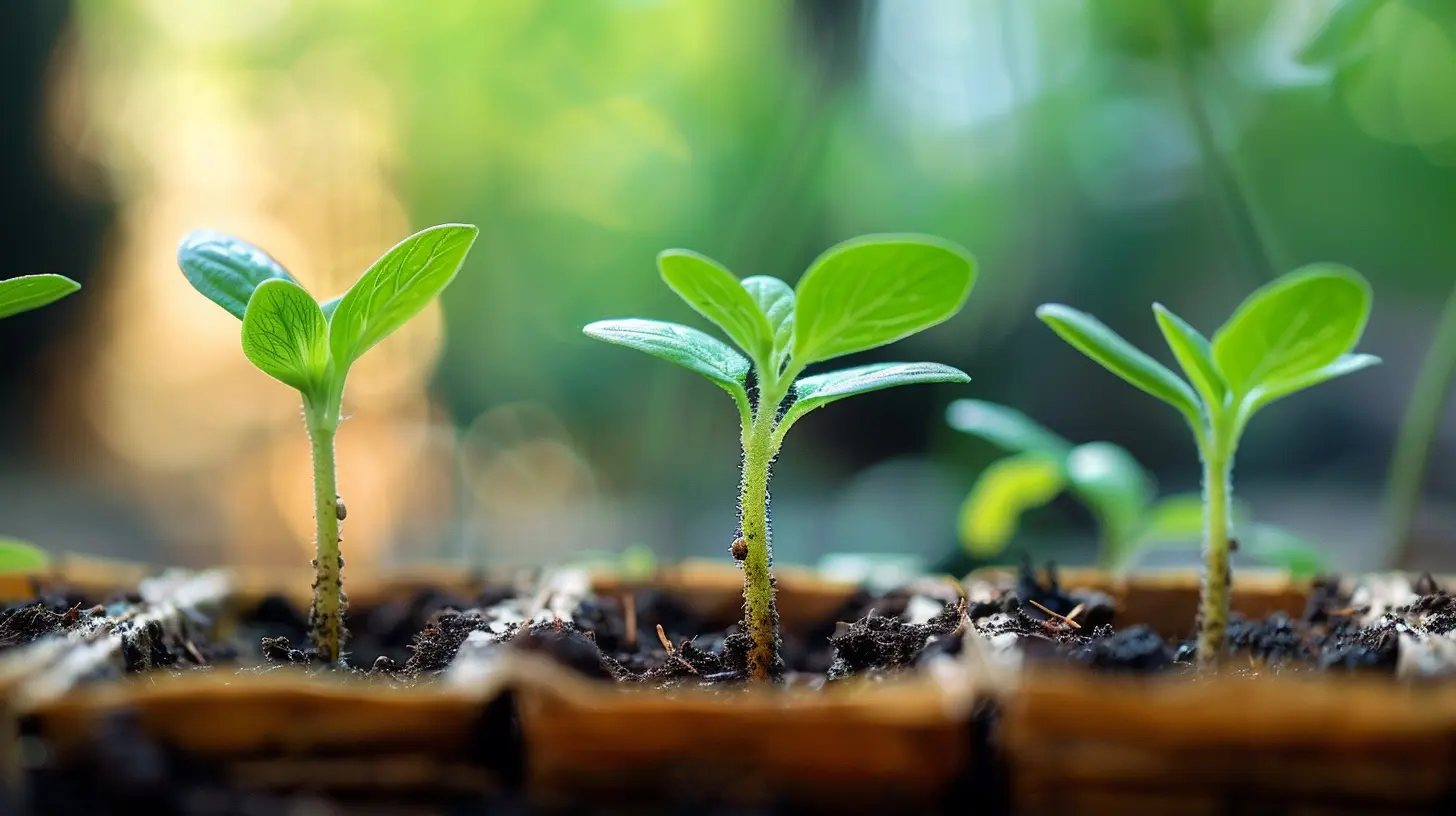
What is Seed Germination?
Seed germination is the process by which a seed develops into a new plant. But it’s not as simple as just planting a seed and waiting for it to sprout. Several factors play a crucial role in this process, including water, oxygen, temperature, and light.When conditions are right, the seed absorbs water, swells up, and the outer coat breaks open. Next, the tiny root (radicle) emerges, followed by the shoot that will one day become a strong stem. Pretty cool, right? 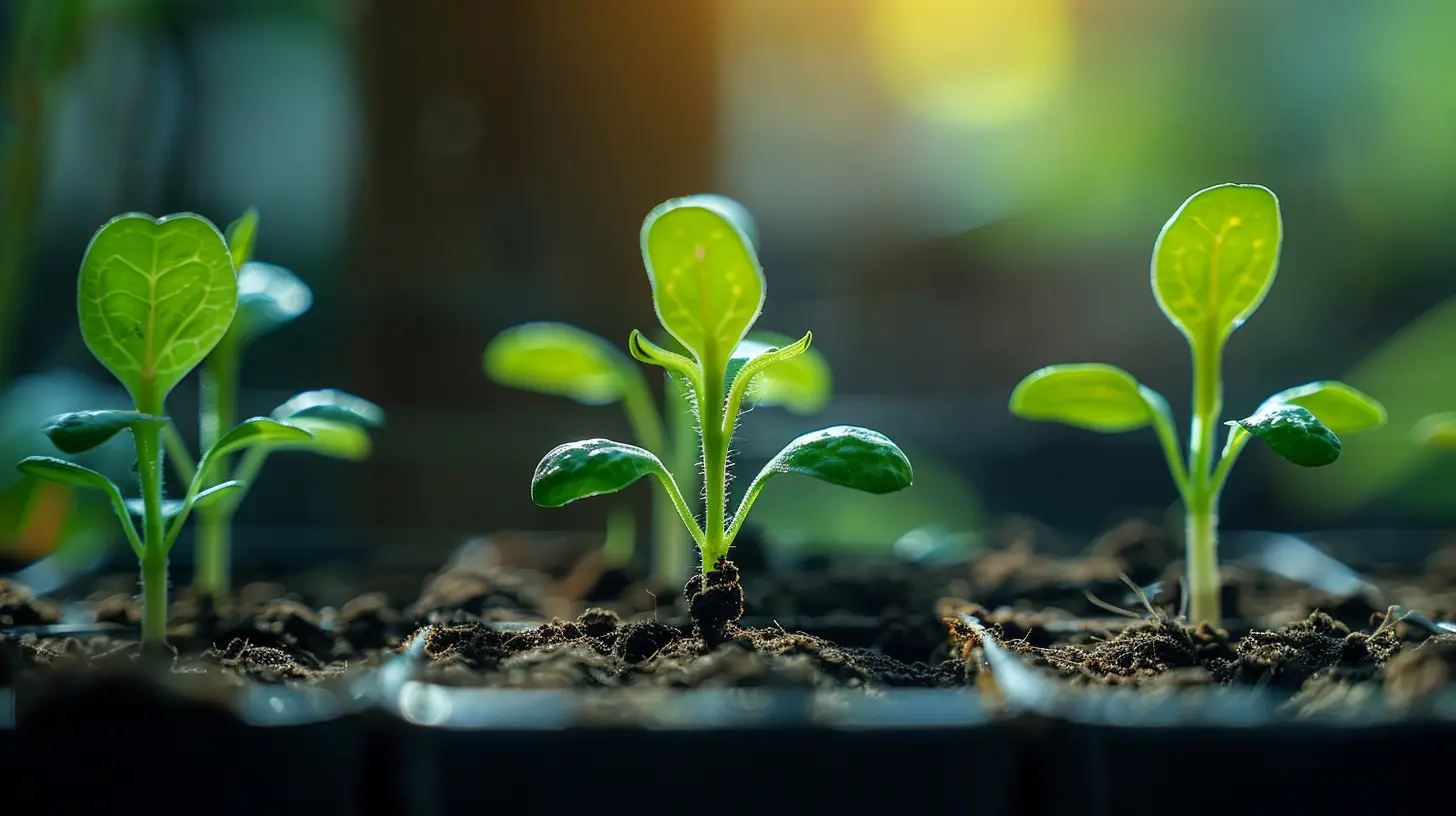
Why Conduct Seed Germination Experiments?
If you’ve ever planted a seed and waited anxiously to see if (and when) it will sprout, congratulations—you’ve already conducted a germination experiment! But formal experiments help us answer key questions like:- What conditions are best for seed growth?
- Do different plants germinate at different rates?
- How does temperature affect germination?
- What happens if we remove essential elements like water or light?
By running controlled experiments, we can gain insights into the science of plant life and apply that knowledge in gardening, farming, and even conservation efforts. 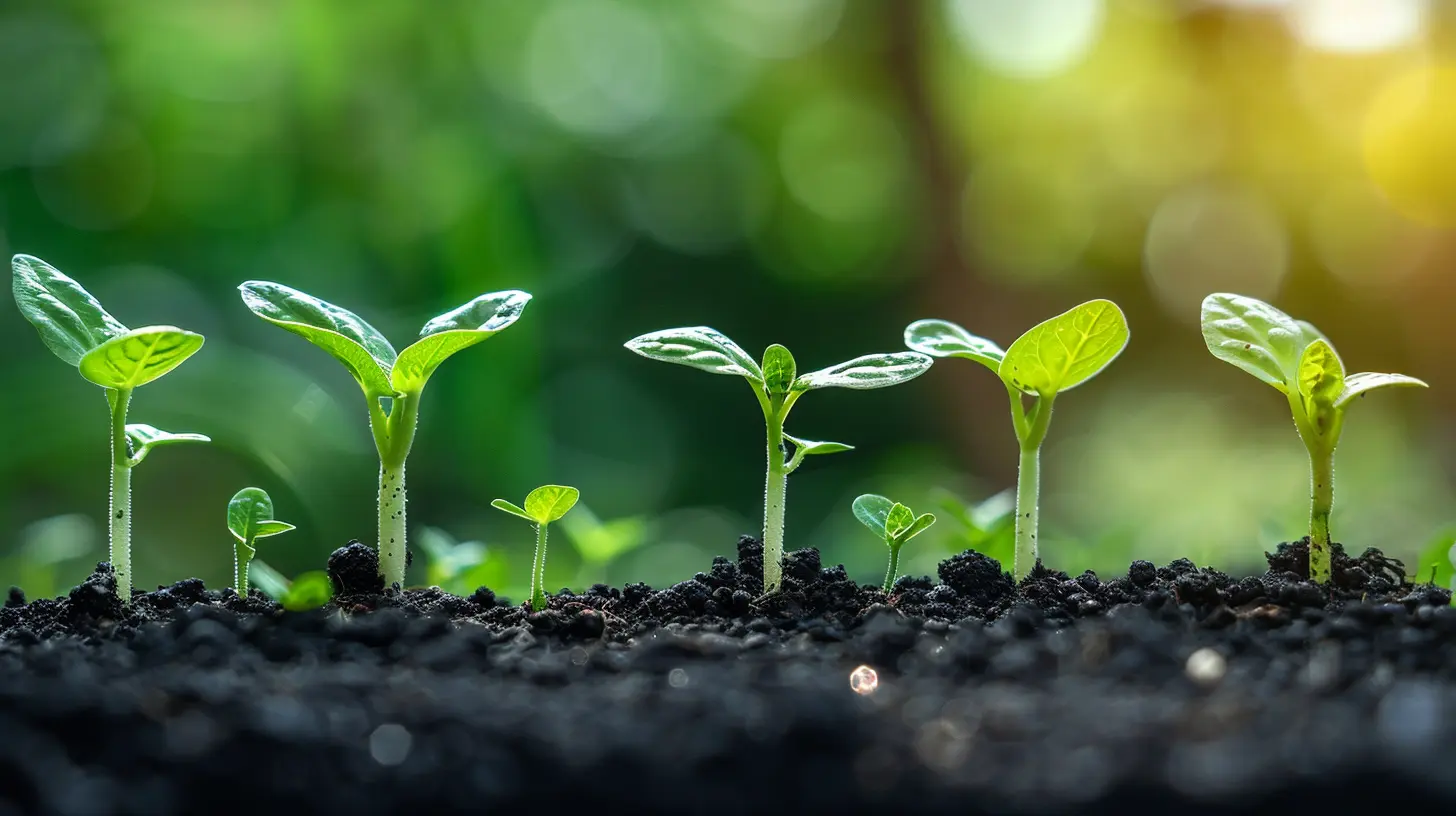
Materials Needed for a Seed Germination Experiment
Setting up a seed germination experiment is simple and requires only a handful of materials. Here’s what you’ll need:- Seeds (beans, peas, sunflower, radish, or any fast-growing varieties)
- Paper towels or cotton wool
- Small containers or ziplock bags
- Water
- A warm place for observation
- A notebook for recording observations
Optional items for variations: soil, petri dishes, different types of light sources, and a thermometer. 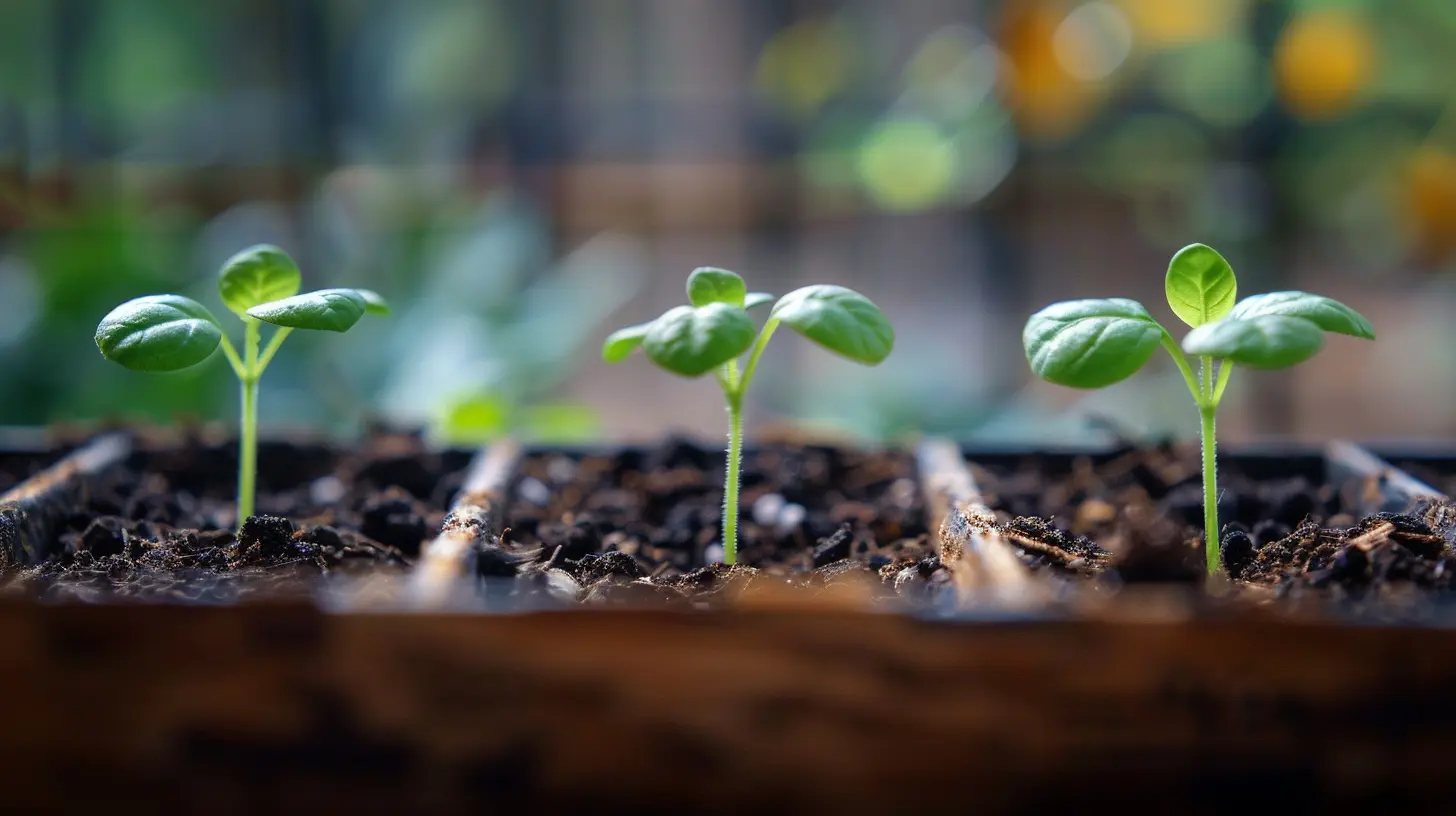
How to Conduct a Basic Seed Germination Experiment
Now, let’s get to the fun part—setting up your experiment!Step 1: Select Your Seeds
Choose seeds that germinate quickly. Beans, peas, and mustard seeds are great choices because they sprout within a few days, making them ideal for observations.Step 2: Prepare the Growing Medium
Take a paper towel or cotton wool, dampen it with water (but don’t soak it), and place it inside a container or ziplock bag. This will act as the medium in which your seeds will start growing.Step 3: Place the Seeds on the Medium
Arrange 3-5 seeds on the damp paper towel, ensuring they are spaced apart. If using a ziplock bag, seal it lightly to retain moisture.Step 4: Store in a Warm Location
Find a warm, well-lit place to store your seeds. A windowsill is a great spot. Avoid direct sunlight, which could dry them out too quickly.Step 5: Observe and Record
Check your seeds daily. Observe changes such as swelling, root emergence, and shoot growth. Record the number of days it takes for the first roots and shoots to appear.Factors Affecting Seed Germination
Different environmental factors impact how seeds grow. Let’s take a closer look at some of them:1. Water
Water is essential to activate the enzymes that trigger growth. Too much water can cause the seed to rot, while too little will prevent germination altogether.2. Oxygen
Seeds need oxygen for respiration, which provides energy for growth. If buried too deep in the soil, seeds may not get enough oxygen, slowing or stopping germination.3. Temperature
Each plant has a preferred germination temperature. While most seeds sprout between 18-25°C (65-77°F), some plants, like lettuce, prefer cooler conditions, while others, like peppers, need warm soil.4. Light
Light conditions vary depending on the type of seed. Some seeds, like lettuce, need light to germinate, while others, like beans, grow best in the dark.Experiment Variations to Try
Now that you’ve mastered the basic experiment, here are a few variations to make things more interesting:1. Different Temperature Conditions
Place one set of seeds in a warm room and another in a cooler place (such as a fridge). Observe how temperature affects their germination speed.2. Soil vs. Paper Towels
Compare seeds germinated on paper towels with those in soil. Which one grows faster? Does soil affect root development differently?3. Light vs. Darkness
Keep one group of seeds in a sunny spot and another in total darkness. How does light influence germination and early plant growth?4. Different Types of Water
Try using tap water, filtered water, or even sugar water. Do seeds respond differently to different water sources?Common Mistakes and How to Avoid Them
1. Overwatering or Underwatering
Keeping the medium too wet can cause seeds to rot, while dry conditions will halt germination. Aim for consistent, moderate moisture.2. Using Old or Dead Seeds
Not every seed is viable. If your seeds don’t sprout, try using fresh ones from a reliable source.3. Giving Up Too Soon
Some seeds take longer to germinate. Be patient and keep observing for at least two weeks before concluding that they won’t grow.4. Ignoring Observation Records
Recording daily changes helps track patterns and trends. Take notes and even draw sketches to visualize growth stages.What’s Next After Germination?
Once your seeds have sprouted, you can transfer them into soil for further growth. Plant them in small pots with good soil, provide adequate sunlight, and continue observing how they develop into full-sized plants.This is where the real transformation happens—watching tiny seedlings grow taller, develop leaves, and eventually bloom or bear fruit!
Final Thoughts
Conducting seed germination experiments is an exciting way to understand how plants grow. It’s simple, hands-on, and requires minimal materials, making it perfect for students, beginners, or anyone curious about plant life.Not only do these experiments teach valuable scientific concepts, but they also spark curiosity and appreciation for nature. So why not grab some seeds today and start your own plant-growing adventure? Who knows—you might just develop a lifelong love for gardening and botany!
all images in this post were generated using AI tools
Category:
Science ExperimentsAuthor:

Fiona McFarlin
Discussion
rate this article
2 comments
Lindsey McDougal
Unlock the wonders of nature by diving into seed germination experiments! It’s not just science; it's a powerful journey of discovery that cultivates curiosity and respect for our planet.
March 27, 2026 at 3:27 AM
Fiona McFarlin
Thank you! Seed germination experiments truly inspire curiosity and deepen our appreciation for the natural world. Excited to share this journey!
Xavi Heath
What a fantastic adventure into the world of plants! 🌱 Every seed holds a tiny miracle waiting to unfold. Embrace the experiment, nurture your curiosity, and watch nature’s magic happen—happy gardening and exploring! You’ve got this! 🌼
March 21, 2026 at 4:23 AM
Fiona McFarlin
Thank you! I’m glad you enjoyed the article; your enthusiasm for gardening and exploration is truly inspiring! 🌿✨