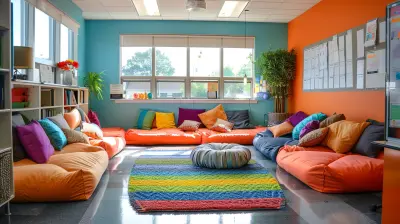
Creating a Positive Group Work Environment for Students
29 June 2026
Group work is a staple in education, from elementary school to college. Whether it's a science project, a book report, or a business case study, students are often required to collaborate. But let’s be real—group work can either be a dream or a nightmare. Some groups click like puzzle pieces, while others struggle with miscommunication, frustration, and uneven workloads.
So how do you transform group work from a dreaded task into a positive, productive, and even enjoyable experience? In this article, we’ll dive into practical ways to create a positive group work environment for students.

Why Is a Positive Group Environment Important?
Think about the last time you worked with a group. Did it feel smooth and efficient, or did it drain your energy? A positive group work environment not only boosts productivity but also enhances learning, improves social skills, and reduces stress.Here’s why it matters:
- Encourages collaboration – When students feel comfortable, they share ideas more freely.
- Reduces conflicts – A positive atmosphere helps prevent misunderstandings and personal clashes.
- Promotes responsibility – Everyone pulls their weight instead of relying on one or two people.
- Boosts confidence – A team that supports each other helps individuals grow.
Now that we know why it’s important, let’s explore how to make it happen.

1. Set Clear Goals and Expectations
Ever been on a road trip without a map? That’s what group work feels like without clear goals. Before diving in, establish:- What needs to be done – Define tasks and deadlines.
- Who is responsible for what – Assign roles based on strengths and interests.
- How success will be measured – Set clear standards and expectations.
When everyone understands the objectives, they’re less likely to drift off course.

2. Foster Open and Respectful Communication
Good communication can make or break a group. Encourage students to:- Actively listen – Give full attention when someone speaks.
- Express ideas clearly – Avoid vague or overly complex explanations.
- Respect different opinions – Disagreements should be constructive, not personal attacks.
It’s also helpful to establish communication norms, like using group chats or shared documents for updates.

3. Encourage Equal Participation
One of the biggest complaints about group work? Someone always ends up doing most of the work while others coast along. To prevent this:- Rotate roles regularly so responsibilities are shared.
- Use peer evaluations to keep accountability in check.
- Set check-ins to track progress and redistribute tasks if needed.
When everyone is involved, the workload feels lighter and the frustration disappears.
4. Create a Supportive Atmosphere
People perform better when they feel valued. A supportive group environment fosters motivation. Here’s how:- Praise effort, not just results – Recognizing hard work keeps morale high.
- Encourage questions – No one should feel embarrassed for seeking clarification.
- Show appreciation – A simple "Great idea!" or "Thanks for your help!" goes a long way.
Think of it like a sports team—when teammates lift each other up, they perform better together.
5. Manage Conflicts Constructively
Conflicts are inevitable, but it’s how they’re handled that matters. Teach students to:- Address issues early before they escalate.
- Use "I" statements instead of blaming (e.g., "I feel overwhelmed" vs. "You never do your part").
- Find solutions together rather than pointing fingers.
Encouraging compromise and problem-solving keeps the group dynamic healthy.
6. Leverage Technology for Collaboration
Technology can be a game-changer for group work. Encourage students to use:- Google Docs for real-time document editing.
- Trello or Asana for task management.
- Zoom or Microsoft Teams for virtual meetings.
These tools streamline communication, keep everyone on the same page, and reduce misunderstandings.
7. Make Group Work Fun
Work doesn’t have to feel like a chore. Adding a little fun keeps motivation high. Try:- Icebreaker activities at the beginning to build rapport.
- Gamifying tasks (e.g., setting friendly challenges or mini-rewards).
- Celebrating milestones like finishing a difficult section of a project.
A positive mindset makes even the toughest projects more enjoyable.
8. Teach Time Management Skills
Procrastination can derail even the best-intentioned groups. Encourage smart time management by:- Setting mini-deadlines within the project timeline.
- Using time-tracking tools like Pomodoro timers.
- Allocating buffer time for unexpected delays.
Good planning ensures the project doesn’t turn into a last-minute scramble.
9. Reflect and Learn from the Experience
After the project is complete, a little reflection goes a long way. Encourage students to:- Discuss what went well and what could have been better.
- Share feedback in a constructive way.
- Apply lessons learned to future group work.
Reflection turns group work into a continuous learning experience rather than a one-time task.
Final Thoughts
Creating a positive group work environment isn’t about luck—it’s about intention. By fostering communication, encouraging participation, and promoting a supportive atmosphere, students can turn group projects from dreaded tasks into valuable learning experiences.So next time you find yourself in a group, remember: teamwork isn’t just about getting things done, it's about growing together. With the right mindset, collaboration can be a powerful tool for success.
all images in this post were generated using AI tools
Category:
Group WorkAuthor:

Fiona McFarlin
Discussion
rate this article
1 comments
Elizabeth Hurst
Encourage respect and open communication.
July 3, 2026 at 3:06 AM
Fiona McFarlin
Absolutely. Respect and open communication are key to fostering collaboration and trust among students.