Civic Education and the Role of Media Literacy
9 February 2026
In our modern, fast-paced world, it's no secret that staying informed—and more importantly, understanding what we’re informed about—is getting trickier. With news updates pinging our phones every five minutes and a constant stream of information flooding our feeds, it’s easy to feel overwhelmed. That’s where two powerful tools step in to help: civic education and media literacy. These aren’t just fancy terms tossed around in classrooms; they’re essential lifelines that help us navigate today’s chaotic information age.
So, what exactly do they mean for you and me? And how do they work together to shape a more informed and responsible society? Let’s break it down in a way that actually makes sense.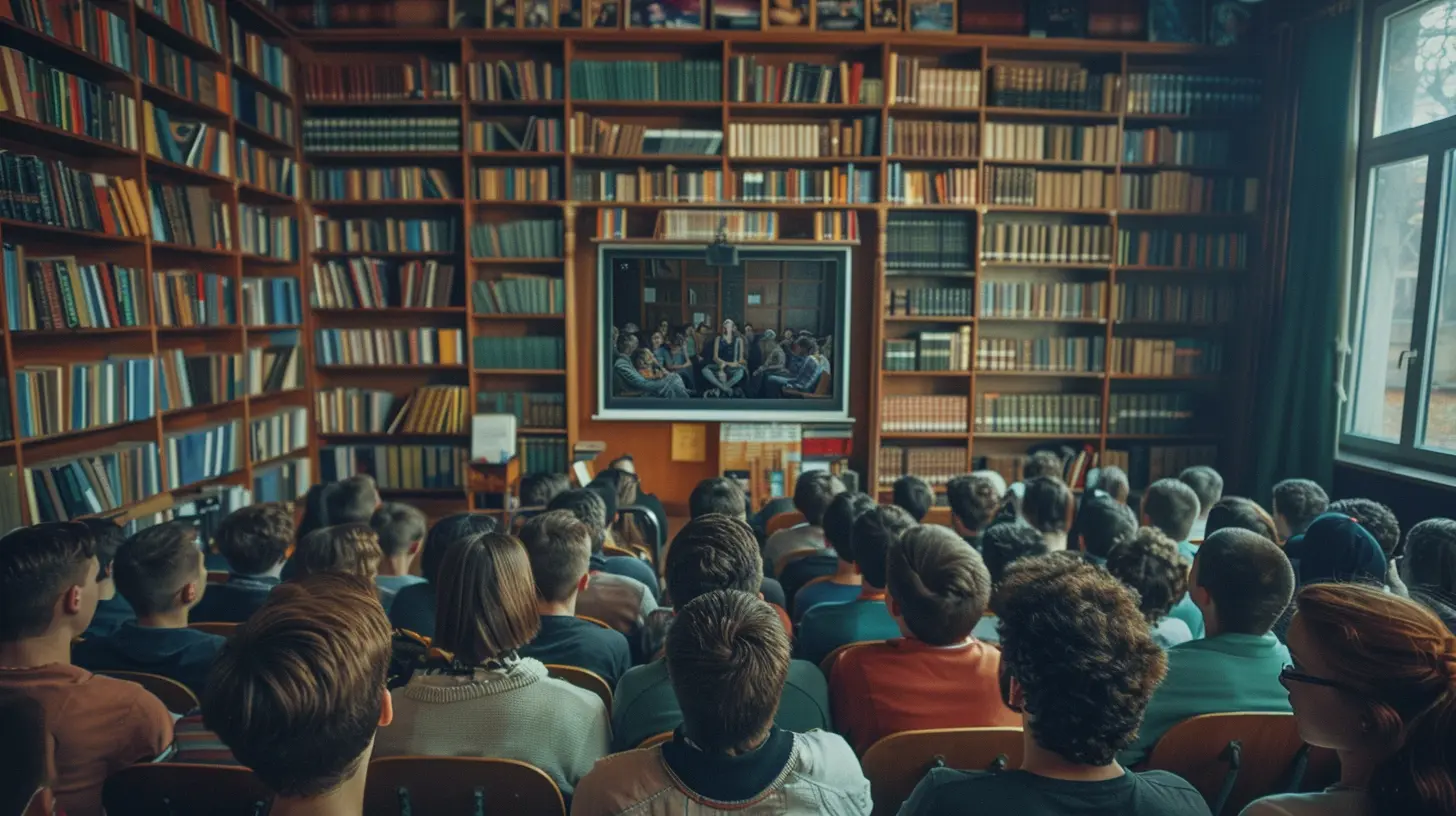
What Is Civic Education Anyway?
Let’s strip it to the basics. Civic education is essentially the process of teaching people—especially students—the rights, duties, and responsibilities of being a citizen. It’s not just about memorizing historical dates or names of presidents. Think of it as the manual for participating in a democracy.It’s about understanding how governments function, how laws are made, what your rights are under the constitution, and how to engage in civic life—like voting, volunteering, or attending town hall meetings.
Now, you might be thinking, “Okay, that sounds useful, but is it really that important?” Short answer: absolutely. Here’s why.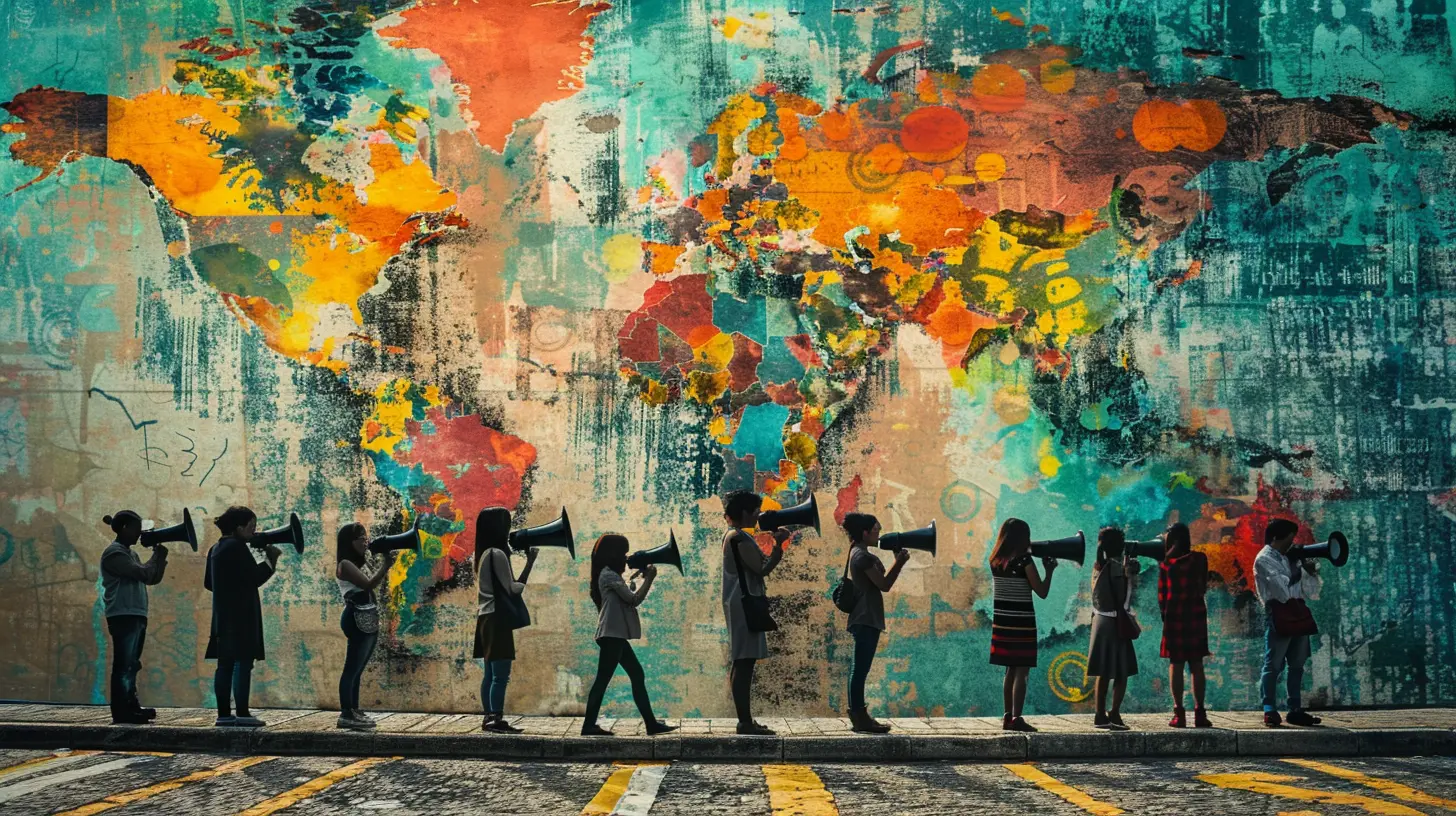
Why Civic Education Really Matters
Imagine you’re handed the keys to a brand-new car, but no one teaches you how to drive. That’s what a life without civic education looks like. We all have the ability—and responsibility—to participate in our society. But without the proper knowledge, we risk making uninformed decisions or, worse, not participating at all.Here’s what civic education empowers you to do:
- Make educated choices at the polls – Know who and what you’re voting for.
- Hold leaders accountable – Understand the power structures so you can speak up.
- Support informed discussions – Know how to separate facts from opinions.
- Build stronger communities – Be an active member, not just a bystander.
In short, civic education helps turn passive residents into active citizens. And let’s face it, the world needs more of those.
The Digital Age: Blessing or Curse?
Let’s be real: technology has transformed our lives in incredible ways. We can chat with friends across the globe instantly, access world news in seconds, and learn practically anything from a five-minute YouTube video.But here’s the flip side—misinformation moves just as fast. Fake news spreads like wildfire, social media echo chambers distort our views, and algorithms feed us content we’re already likely to agree with. Yikes.
This is where media literacy enters the picture as your modern-day superpower.
Media Literacy: Your Secret Weapon
So, what is media literacy? Think of it as a personal filter for everything you hear, read, or watch. It’s the ability to access, analyze, evaluate, and create media messages in a variety of forms. From TikTok and Twitter to TV news and podcasts, media literacy teaches you to question, understand, and think critically about the content coming your way.Let me ask you something: Have you ever read a headline that made your jaw drop, only to realize later it was exaggerated—or flat-out false? Yep, we’ve all been there.
With good media literacy skills, you can:
- Spot biased or misleading news
- Understand who’s behind the message and what their agenda might be
- Distinguish between fact, opinion, and propaganda
- Make smarter choices about what to share and believe
It’s like having mental armor in the age of information overload.
The Intersection of Civic Education and Media Literacy
Now here’s where it gets really interesting. Civic education and media literacy aren’t separate ideas—they’re two sides of the same coin. You honestly can’t be a fully informed citizen without both.Let’s say you’re getting ready to vote in an upcoming election. Civic education teaches you how the election process works and why voting matters. Media literacy helps you figure out which news sources to trust so you’re making an informed decision when you cast your ballot.
Without civic education, you might not even realize voting is your right—or know how to register. Without media literacy, you might fall for an online rumor about a candidate that isn’t true. See how they go hand-in-hand?
Real-Life Examples of This Dynamic Duo in Action
Let’s look at a few real-world situations where civic education and media literacy played crucial roles.1. Social Movements and Protests
Think about movements like #BlackLivesMatter or climate change activism. Media literally shaped these discussions. Knowing your rights to peacefully protest (civic education) and understanding how to evaluate social media narratives (media literacy) make you an effective participant—not just a spectator.2. The COVID-19 Infodemic
Remember when it felt like everyone had a different theory about COVID-19? From miracle cures to conspiracy theories, it was a storm of conflicting info. Here, media literacy helped people sift through misinformation, and civic education reminded us of our duties—like following public health guidelines and supporting community safety.3. Elections and Voter Influence
During elections, media literacy helps identify deepfake videos, political bias, or misleading ads. Civic education reinforces the importance of voting and encourages participation in the democratic process. The combo allows for smarter decisions and stronger civic engagement.Teaching the Youth: Starting Early
Here’s the deal—these skills shouldn’t be something we trip over as adults. They need to be taught early, in classrooms, from elementary school onward.Teachers can:
- Include current events in lessons
- Encourage debate and critical thinking
- Teach students how to fact-check sources
- Simulate mock elections and government structures
When kids grow up understanding their role in society and how to interpret the media they consume daily, we get a generation that’s sharper, more empathetic, and less likely to fall for misinformation.
Media Literacy Isn’t Just for Students
Think media literacy is just for Gen Z glued to their phones? Nope. Adults need it just as much—maybe more. In an age of deepfakes, AI-generated content, and echo chambers, knowing how to think critically is everyone’s job.You can start boosting your own media literacy by:
- Checking the source before sharing that viral post
- Asking yourself: Who created this? Why?
- Looking for multiple perspectives before forming an opinion
- Talking openly with others, even if you disagree
It’s not about being cynical; it’s about being wise.
Challenges We Still Face
Now, let’s not sugarcoat it—there are hurdles.- Many schools lack resources or trained staff to teach media literacy.
- Some political interests don’t want well-informed citizens (surprise, surprise).
- The speed of misinformation online makes it hard to keep up.
But even with these challenges, the momentum is shifting. More educators, policy-makers, and non-profits are championing both civic education and media literacy. That’s a fight worth joining, don’t you think?
The Role of Social Media Platforms
Can we talk about social media for a second?Platforms like Facebook, Instagram, YouTube, and TikTok hold massive influence over public opinion. That’s why it’s crucial they take responsibility by:
- Flagging or removing false info
- Promoting content from credible sources
- Educating users (yes, you!) on how to spot fake news
They’re not perfect, but some progress is being made. Still, the ultimate responsibility lies with us—to be thoughtful consumers and sharers of information.
A Call to Action: Be the Change
So here’s the bottom line: a healthy democracy needs informed citizens. And we can’t be informed without both civic education and media literacy. It’s not about becoming a political expert or a journalist—it’s about being aware, curious, and active.Ask questions. Challenge sources. Vote smart. Teach your kids. Share good information. Just care a little more every day.
Because guess what? Democracy isn’t a spectator sport. It’s a team effort—and we all have to show up.
Final Thoughts
We live in a world where every click, like, and share can shape public opinion. That’s a lot of power—and a lot of responsibility. But with strong civic education and solid media literacy skills, we’re not just surviving the information age. We’re thriving in it.Let’s build a smarter, kinder world—one informed citizen at a time.
all images in this post were generated using AI tools
Category:
Civic EducationAuthor:

Fiona McFarlin
Discussion
rate this article
2 comments
Susan Webster
Empower youth through informed media.
February 25, 2026 at 11:27 AM
Fiona McFarlin
Absolutely! Media literacy is essential for empowering youth to critically engage with information and become active, informed citizens.
Mercy Porter
This article beautifully highlights the vital connection between civic education and media literacy. As we navigate today's complex information landscape, equipping individuals with critical thinking skills is essential for fostering informed citizens who can engage thoughtfully in our democracy. Thank you for this insightful piece!
February 10, 2026 at 11:31 AM
Fiona McFarlin
Thank you for your thoughtful comment! I appreciate your recognition of the essential link between civic education and media literacy in promoting informed engagement.