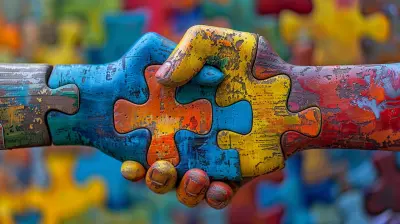
Civic Education and the Importance of Understanding Constitutions
24 May 2026
Let’s face it – the word “constitution” doesn’t exactly set your heart racing, right? It kind of sounds like something you'd pretend to understand in a high school civics class while doodling in the margins. But hear me out – by the time we’re done here, you’ll see just how game-changing understanding your constitution (and civic education in general) really is.
And we’ll try to have a little fun with it. Because if democracy and freedom can’t come with a side of humor, then what are we even doing?
What Is Civic Education Anyway?
Before we go charging into constitutional glory, let’s talk civic education. It sounds fancy, but really, it’s just learning how stuff works in your country. I’m talking about how leaders are chosen, what rights you have when you’re pulled over for erratic scooter driving, and why voting matters more than choosing toppings on a pizza (even though that’s important too).More specifically, civic education teaches us about:
- The roles and structure of government (so, who does what and how)
- Citizen rights and responsibilities (it's not all about freedom of speech and filing taxes)
- The importance of participation in democratic life (like voting, protests, or politely roasting politicians on Twitter... responsibly)
And guess what? At the very heart of all this is our old friend – the constitution.
Wait, What Even Is a Constitution?
If the government were a giant, clunky machine (and let’s be honest, it kind of is), then the constitution is the instruction manual. It’s the blueprint, the cheat sheet, the “In Case of Emergency, Break Glass” document laying down how the whole thing is supposed to run.Think of it like this: the constitution is the rulebook at a chaotic family board game night. Without it, Uncle Bob tries to steal Monopoly money, Grandma becomes a dictator, and suddenly you’re serving life in board game jail for blinking too loudly.
Yeah… total chaos.
A constitution:
- Establishes the structure of government (executive, legislative, judicial—sort of like the government’s three-headed hydra)
- Defines how powers are shared
- Lists the rights of people (this part is the “gold nugget”)
- Lays out responsibilities of leaders and citizens
And here’s the juicy part: if you don’t know the rules, how can you know when someone’s breaking them?
Why Bother Understanding It?
1. Because Ignorance Isn’t Bliss—It's Risky
Not knowing your constitutional rights is like walking into a boxing ring blindfolded. You’re gonna get knocked out, and you won’t even know what hit you.A lot of injustices go unnoticed or unchallenged simply because people don’t know what they're entitled to. For example, did you know your constitution might actually protect your right to protest peacefully—even if your boss raises an eyebrow so high it threatens to break orbit?
2. Because Your Voice Matters (No, Really)
When you understand how your government works, you’ll be more confident about using your voice. Whether it’s voting in elections, signing petitions, or participating in constructive debates that don’t end in Facebook feuds—your voice becomes a superpower once you know how things actually function.Knowledge is power. But applied knowledge? That’s like knowledge with a cape and theme music.
3. So You Can Spot the BS
Understanding your constitution is like having a built-in BS detector. Politician says, “We’ll ban free press to protect national security”? Red flag! ?A smart, constitution-savvy citizen can separate empty promises from real policy, and fearmongering from legitimate governance.
Civic Education: The Unsung Superhero In Schools
Here’s a sad truth: many schools treat civic education like that weird cousin you only see at family reunions—present, but awkward and overlooked.We're taught the Pythagorean Theorem (which frankly hasn’t helped me once in adult life) but barely touch on how laws are passed or what to do if your basic rights are violated. Seriously?
We need civic education to be juicier, more engaging, less "dry textbook" and more "choose your own adventure." Because democracy only works if the people know what they’re doing—and spoiler alert, many aren’t even sure what a constitution is.
Real-Life Perks of Understanding the Constitution
? You Know Your Rights in Awkward Situations
Police stop you randomly? Landlord trying to charge "sunshine fees"? Boss saying you can’t talk about your salary? The constitution (often with help from other laws) swoops in like Batman with receipts.? You Become a Better Voter
Forget choosing a leader based on catchy slogans or bad hair days. When you understand what’s at stake—policies, principles, constitutional values—you vote smarter. You vote like a boss.? You Can Be the Change (Cue Dramatic Music)
Want to reform laws? Push for gender equality? Argue about why pineapple does or does not belong on pizza (okay, maybe not that)? It starts with knowing the framework. Your constitution is your tool kit for creating change without flipping tables.Constitutions Around the World: Not All Are Created Equal
Let’s look at some examples because, hey, who doesn’t love a little international flavor?- USA: The Constitution is basically the OG – written in 1787 and still going strong. It's got amendments like the Bill of Rights, which give you freedom of speech and the right to not have random soldiers crash on your couch (thanks, Third Amendment ?).
- South Africa: Voted by many as one of the most progressive constitutions in the world. After apartheid, their constitution became a shining beacon of justice, equality, and, yes, actual human dignity.
- France: They’ve had a few constitutions. France treats constitutions like I treat planners – always updating after a crisis.
- North Korea: Well… let’s just say that while they have a constitution, it’s more of a decorative piece than something that protects individual freedoms.
Point is, understanding your own constitution also helps you compare it with others. You can appreciate its strengths, recognize its weaknesses, and maybe even advocate for better stuff.
Civic Education: It's Not Just for Nerds
Look, you don’t need to be a future senator or a Supreme Court judge to care about this stuff. Civic education is for everyone. Teenagers, teachers, baristas, gamers, TikTokers, dog walkers—if you live in a society (and I’m pretty sure you do), then your knowledge of the constitution matters.Why?
Because when people understand the system, the system becomes harder to abuse.
Teaching Civic Education The Fun Way (Yes, It’s Possible)
Let’s spice it up, shall we?- Roleplaying Government: Let students form their own mini-government with laws, elections, and debates. Bonus points if they throw in campaign posters and political scandals for realism.
- Real-World Simulations: Take trips to courts or legislatures. Sit in on a trial. Make courtroom drama less "Netflix" and more "Next-gen citizens."
- Games and Quizzes: Turn constitutional facts into trivia battles. Who knew "judicial review" could be part of a lightning round?
- Memes and TikToks: Trust me, if we can make dancing videos go viral, we can make civic responsibility cool too.
Civic Education in the Digital Age
In a world where misinformation is two clicks away—and conspiracy theories spread faster than cat videos—we need civic education to be louder, smarter, and more persistent than ever.Social media has the power to inform—but also misinform. So unless we’re all trained in how things really work, we risk confusing opinion with fact, and Twitter threads with law school diplomas.
Let’s make being constitutionally literate the new trend. Influencers, take note.
Final Thoughts: Democracy Needs Its MVPs
Civic education and constitutions aren’t just topics for debate nerds or government officials. They’re for you, me, and your cousin who’s very passionate about voting for the next American Idol but skips election day.Understanding your constitution isn’t about being able to quote obscure articles at cocktail parties (though, how cool would that be?). It’s about knowing when your rights are threatened, how your government works, and what you can do to fix things that are broken.
So yes, civic education is important. No, it’s not boring. And absolutely, you should care about the constitution. Because when the people understand the rules, the game gets fairer for everyone.
all images in this post were generated using AI tools
Category:
Civic EducationAuthor:

Fiona McFarlin
Discussion
rate this article
1 comments
Carina Montgomery
Great insights on civic education! Understanding our constitutions truly empowers us as citizens to engage meaningfully in democracy... Thank you!
May 28, 2026 at 4:14 AM
Fiona McFarlin
Thank you for your kind words! I'm glad you found the insights valuable. Engaging with our constitution is key to active citizenship.