Civic Education and Its Role in Promoting Sustainable Development
23 July 2026
Imagine a world where every citizen—young or old—understands not just the rules of society, but their role in shaping a brighter, greener, and fairer future. That’s the magic civic education holds in its hands. It's not just about voting or remembering the names of presidents. It’s the heartbeat of an informed, active society. Civic education is that quiet whisper that grows into a chorus of action when people realize their voice matters. And when it comes to sustainable development? It's a match written in the stars.
Let’s take a walk through the poetic crossroads where civic education meets sustainable development—a union that can turn dreams into progress.
What Is Civic Education, Really?
Before we dive too deep, let’s break it down.Civic education is the stuff we’re supposed to learn about being active members of our communities. Not just obeying laws or paying taxes, but really getting why we do those things. It teaches us about rights and responsibilities, governance, democracy, justice, and community engagement.
But the real beauty of civic education? It empowers. It whispers, “Hey, you can make a difference,” and then hands us the tools to do so.
Think of it like learning to drive—not just how the car works, but where to drive it, how to navigate, and how to avoid crashing into someone else. Civic education is the GPS for social responsibility.
The Rhythm of Sustainable Development
Now, let’s unfold the second half of our song: sustainable development.Picture a world that balances its checkbook with nature, where economic progress doesn’t bulldoze forests, and social equity isn’t just a buzzword. That’s sustainable development. It's made up of three pillars—economic growth, environmental preservation, and social inclusion. They’re like the legs of a stool. Knock one out, and the whole thing tips over.
But here's the catch: sustainable development doesn't just happen. It demands action, mindset shifts, and yes—you guessed it—education.
The Melodic Marriage of Civic Awareness and Sustainability
Here’s where the music crescendos.When people learn how governments work, how communities function, and how individual actions ripple outwards, they’re not just passive citizens. They become changemakers. And guess what? That’s the very spirit we need for sustainable development.
Civic education teaches people to care. It breeds accountability, empathy, and initiative. It connects the dots between casting a vote and drinking clean water, between community policy and carbon footprints.
Let’s break the impact down a bit more: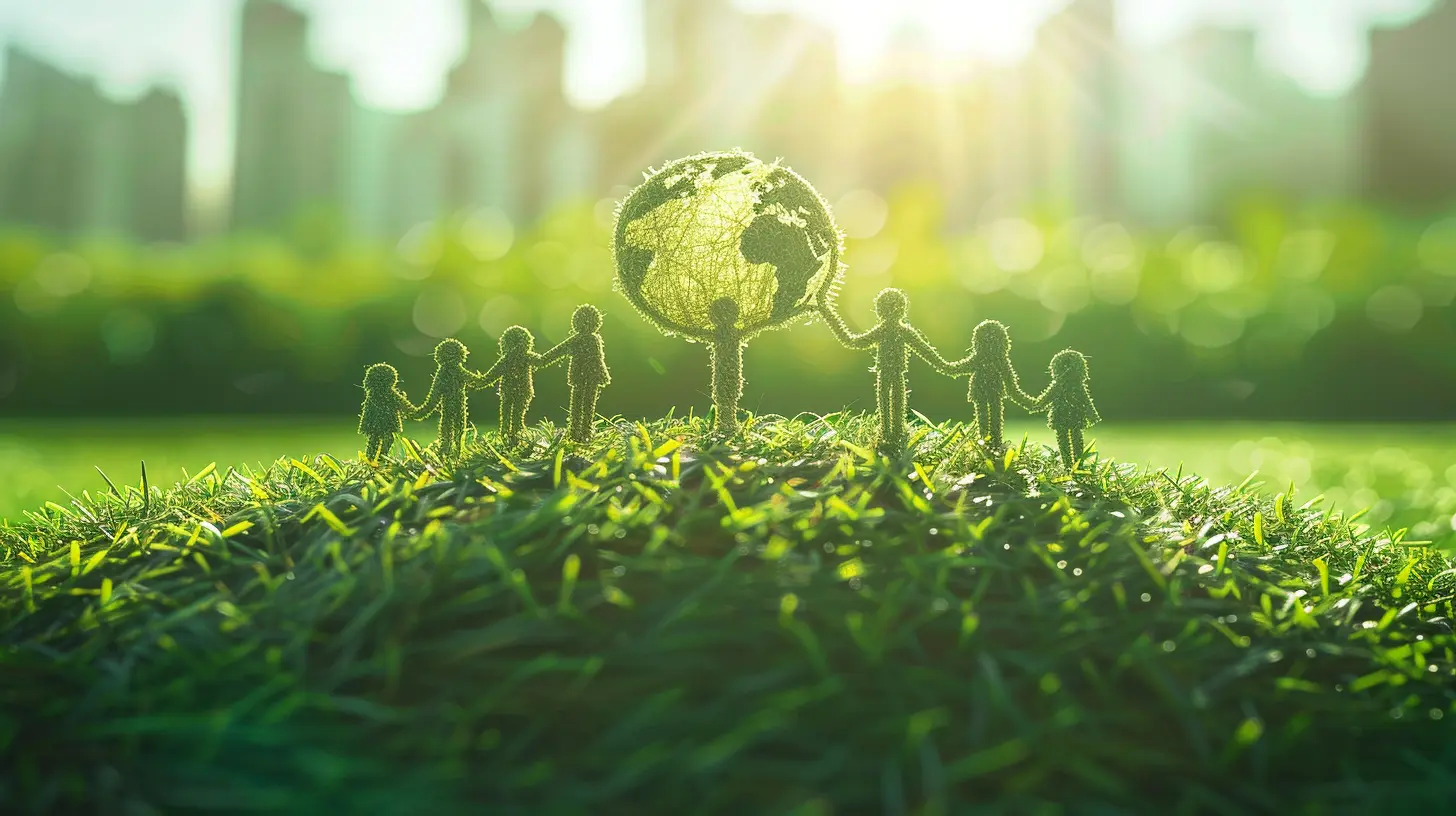
1. Fostering Informed Decision-Makers
You can’t solve a problem you don’t understand. Civic education opens eyes.When you're aware of your civic rights, you're more likely to question destructive policies. You're more inclined to support green initiatives, demand clean energy, or rally for inclusive education. That awareness drives participation—whether it’s attending local council meetings or signing petitions against ecological harm.
By knowing how the system works, people learn how to work the system—ethically and effectively.
2. Encouraging Responsible Political Participation
Let’s face it: politics can feel like a murky swamp. But civic education lights the path.When people understand political systems and leaders’ roles, they tend to vote more thoughtfully. They hold representatives accountable and push for policies that benefit future generations. Whether it’s climate regulations or social welfare programs, informed voters make all the difference.
Without civic education, democracy is just theater. With it, it’s a dialogue.
3. Planting Seeds of Environmental Stewardship
You don’t protect what you don’t value.Civic education cultivates awareness about the natural world and how it intersects with human rights and social equity. It helps us ask the big questions: What kind of world are we leaving behind? How can we do better—not just for us, but for everyone?
It’s the soil in which sustainability can grow roots.
4. Promoting Equity and Social Justice
Let’s talk real talk. A sustainable future can’t exist if large parts of the population are left behind.Civic education lays the foundation for social justice. It teaches inclusion, diversity, and mutual respect. When young minds grow up understanding the value of every voice, we get a generation less likely to tolerate discrimination or inequality.
And a just society? That’s the bedrock of sustainable development.
5. Empowering Grassroots Activism
Not all change comes from the top. In fact, most of it starts in grassroots movements—citizens rising up to say “enough is enough.”Civic education empowers these movements. It teaches people how to organize, how to protest peacefully, how to engage with institutions. It creates a culture where activism is informed, strategic, and sustainable.
Think of it as the tuning fork for collective action.
6. Strengthening Global Citizenship
The Earth doesn’t care where you’re from—pollution knows no borders.Civic education stretches the boundaries of our thinking. It sparks global consciousness, making us realize that we are all part of a shared destiny. It encourages empathy for a child across the globe suffering from drought or war and prompts responsible consumption at home because everything’s connected.
That’s not just education. That’s evolution.
Why Youth Are the Baton-Holders of Change
If civic education is a symphony, young people are the lead players.In classrooms where civic responsibility is taught alongside sustainability, students learn early that they hold the baton to future change. They become eco-warriors, policy advocates, and innovators. They organize clean-ups, write to their legislators, and launch green startups.
And here’s the kicker: once they’re engaged, they don’t stop. They carry that fire well into adulthood, lighting the path for others.
Integrating Civic Education Into School Curricula
Alright, time for some practical notes. So how do we actually weave civic education into systems that often feel... outdated?- Project-based learning: Let students run mock governments or design sustainability projects.
- Community engagement: Encourage volunteering or town hall visits as part of coursework.
- Real-world connections: Use current events to show how civics and sustainability collide.
- Collaborative learning: Let students work in teams to debate, design, and dream up better cities.
These aren’t just lessons; they’re life skills.
Digital Literacy and Civic Engagement
In the age of viral tweets and trending hashtags, civic participation looks a little different.Today, civic education must also teach digital citizenship. That means:
- Verifying news before sharing,
- Engaging respectfully online,
- Using platforms for advocacy instead of outrage.
Social media can be an amplifier for positive change—if people know how to use it wisely.
Challenges on the Road
Let’s not sugarcoat it. There are hurdles.In many places, civic education is either underfunded or overlooked. It's treated like an elective instead of a necessity. Some governments even fear it—because an informed populace is a powerful one.
Plus, sustainability can feel like too big a mountain to move. Individual actions may seem small against the tide of climate disasters or systemic inequality.
But here’s the twist: civic education teaches us that small efforts matter. That systems can be shifted. That mountains are moved one stone at a time.
The Future We’re Crafting
Imagine schools where students debate the Paris Agreement, organize recycling drives, and brainstorm laws to reduce food waste. Picture communities where everyone knows their rights, speaks up for justice, and values the environment like family.This isn’t idealism—it’s possible. And civic education is the bridge to get us there.
We’re not just teaching "about" sustainability or citizenship. We’re teaching for it. That’s the subtle, powerful shift we need.
Let’s Tune Into Action
So, where do we go from here?If you’re a parent, ask your child what they’re learning about civic duties. If you’re an educator, integrate real-world challenges into classroom discussions. If you’re a student, stay curious and speak up.
And if you’re a policymaker—make civic education mandatory. Not just as a subject, but as a philosophy threaded through school life.
Sustainable development isn’t a soloist—it’s a choir. And civic education? That’s the rehearsal room where it all comes together.
Final Verse: Together, We Rise
At the end of the day, civic education and sustainable development aren’t just buzzwords in a dusty textbook. They're a love letter to humanity’s potential. They ask us to think beyond ourselves, to dream without borders, and to act with courage.So let’s teach, inspire, and lead.
Because a better world doesn’t just build itself—it’s built by people who care enough to show up.
all images in this post were generated using AI tools
Category:
Civic EducationAuthor:

Fiona McFarlin