Building Teamwork Skills for College and Beyond
24 December 2025
Teamwork is one of those skills that, once you master it, can make your life infinitely easier—not just in college, but in the real world, too. Whether you're in a group project, part of a student club, or working in a professional environment, knowing how to collaborate effectively will set you apart. It's not just about getting the job done, but about how you work with others to achieve a common goal.
In this article, we'll explore various ways to build teamwork skills that will not only help you survive college but thrive in almost any team setting you find yourself in after graduation.

Why Are Teamwork Skills Important?
Let’s face it. Life is full of group projects. From your college days to your first job and beyond, you’ll often find yourself working with others. But why is teamwork so highly valued?Teamwork Makes the Dream Work
It’s simple: when people work together, they can accomplish more. Imagine trying to lift a heavy piece of furniture by yourself. It’s nearly impossible, right? But with a few extra hands, that impossible task becomes much more manageable. The same goes for projects, whether academic or in the workplace.Each team member brings their own set of skills, perspectives, and strengths to the table, making the whole team stronger. When everyone contributes, you can brainstorm better ideas, solve problems faster, and share the workload to avoid burnout.
Employers Look For It
When you graduate and start hunting for jobs, one of the first things employers look for is whether you can work well in a team. Many job descriptions mention teamwork as a “must-have” skill. They want to know if you can communicate, listen, and cooperate with others. After all, even the most talented individuals can't do everything alone.It's a Life Skill
Teamwork doesn’t just apply to school or work. Whether you’re part of a family, a community, or even a group of friends, you’ll need to know how to collaborate. It’s a skill that will help you in all aspects of life, from planning trips to organizing events.You Learn More From Others
Working in a team gives you the opportunity to learn from people with different backgrounds, experiences, and knowledge. You might be an expert in one area, but a teammate might have strengths where you're less skilled. By working together, you can all grow and improve.Now that we’ve established why teamwork is so important, let’s dive into how you can actually build these skills during college and beyond.
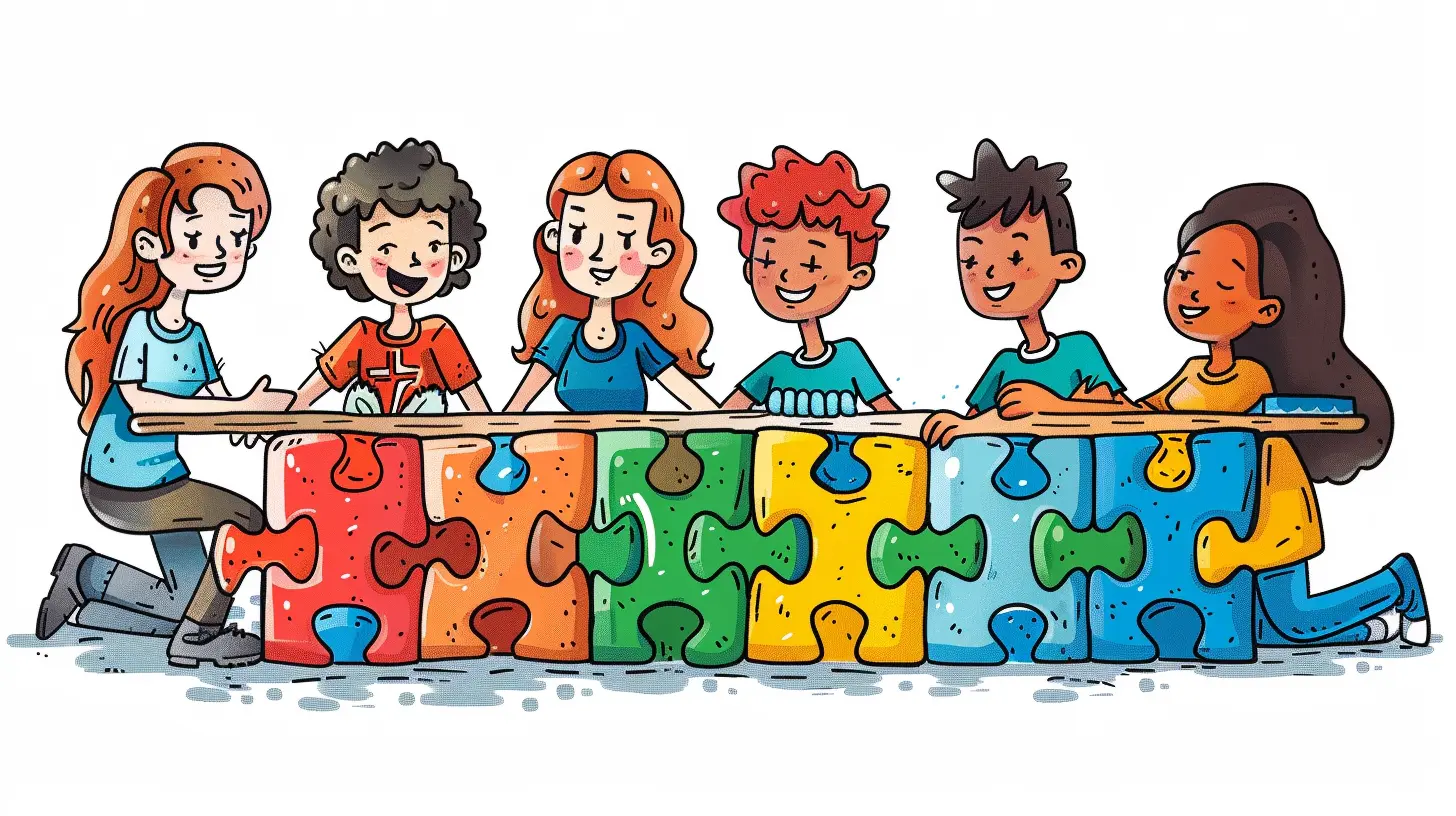
How to Build Teamwork Skills in College
College is the perfect time to build and hone your teamwork skills. You’ll have countless opportunities to work with others, whether in group projects, student organizations, or internships. Here’s how you can make the most of these experiences.1. Join Study Groups
Study groups are one of the simplest and most effective ways to practice teamwork. By joining a group of classmates to review material and prepare for exams, you’ll learn how to share information, divide tasks, and support each other. You’ll also develop your communication skills, as explaining concepts to others can reinforce your own understanding.If you're naturally shy or introverted, study groups can help you get comfortable working with others in a low-pressure environment. Plus, you're likely to make some friends along the way!
2. Participate in Group Projects
Let’s be real: most people dread group projects. But instead of seeing them as a burden, view them as an opportunity to improve your teamwork skills. Group projects require you to collaborate, delegate tasks, and manage deadlines—all essential teamwork skills.Take the initiative to organize meetings, communicate clearly, and ensure that everyone is on the same page. Be open to feedback and willing to compromise. These are the skills that will serve you well in the workplace.
3. Volunteer for Leadership Roles
If you really want to level up your teamwork skills, volunteer for leadership roles in clubs, organizations, or even group projects. Being a leader requires you to not only collaborate but also manage others. You’ll learn how to delegate tasks, motivate your team, and resolve conflicts.Leadership roles give you an excellent opportunity to practice effective communication, problem-solving, and decision-making—all crucial components of teamwork.
4. Get Involved in Campus Activities
Campus activities, whether it’s joining a club, participating in sports, or getting involved in student government, provide ample opportunities for teamwork. These activities often require you to work with others to plan events, coordinate efforts, and achieve shared objectives.For example, if you join a sports team, you’ll learn the importance of trust, communication, and working together toward a common goal. These lessons will apply whether you're on the field or in the boardroom.
5. Take on Internships or Part-Time Jobs
Internships and part-time jobs offer real-world experience in teamwork. In these settings, you'll learn how to collaborate with professionals, meet deadlines, and contribute to larger projects. You’ll also get a taste of how team dynamics work in a professional environment, which will help you transition smoothly into the workforce after graduation.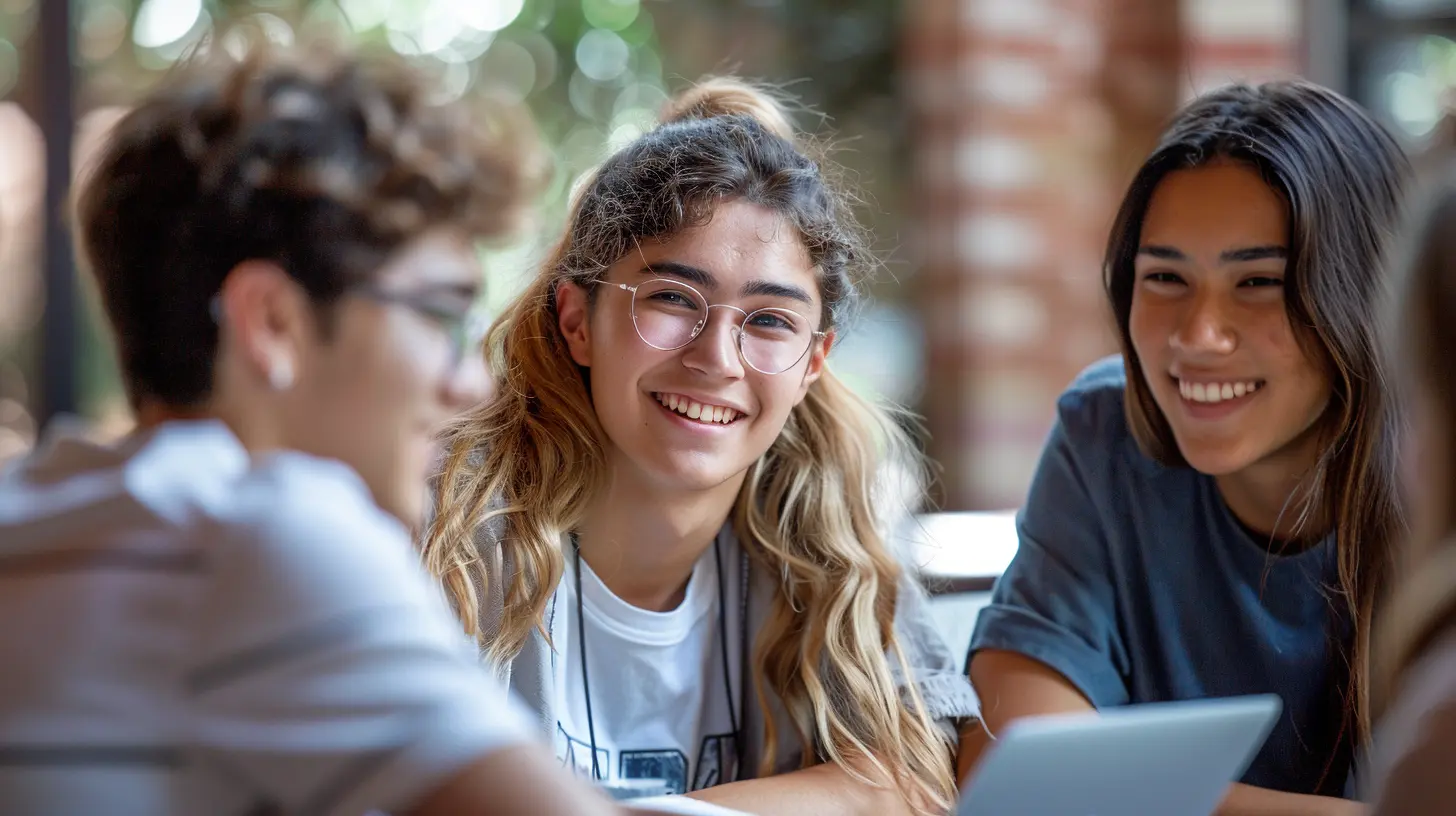
Essential Teamwork Skills You Should Develop
There are several key skills you’ll need to be an effective team player. Let’s break them down.1. Communication
No surprise here—communication is the cornerstone of teamwork. To work well with others, you need to express your ideas clearly and listen to what others have to say. Miscommunication can lead to mistakes, frustration, and wasted time, so being a good communicator is crucial.Practical Tip: Practice active listening by focusing entirely on the speaker and not interrupting. When it’s your turn to speak, be clear and concise.
2. Problem-Solving
Teams often face challenges, whether it’s a difficult project or a disagreement among members. Being able to approach problems logically and come up with solutions is an invaluable skill. Good problem-solving requires creativity, critical thinking, and a willingness to consider different perspectives.Practical Tip: When confronted with a problem, encourage brainstorming sessions where everyone can contribute ideas.
3. Flexibility
Things don’t always go as planned. A key element of teamwork is flexibility—the ability to adapt when things change or go wrong. Whether it’s adjusting deadlines or reassigning tasks, being flexible helps keep the team moving forward.Practical Tip: Stay open-minded and ready to adapt when the situation calls for it. Flexibility is about being solution-oriented, not stuck on a rigid plan.
4. Leadership
Even if you're not in charge, leadership skills can help you guide your team in the right direction. Leadership isn’t just about giving orders—it’s about motivating others, taking responsibility, and leading by example.Practical Tip: Show leadership in small ways, like offering to help someone struggling with their workload or suggesting a new approach to a problem.
5. Conflict Resolution
Let’s be honest—working with others isn’t always smooth sailing. Conflicts can arise when people have different opinions or approaches. Learning how to resolve conflicts in a fair and constructive way is one of the most important teamwork skills you can develop.Practical Tip: When conflicts arise, address them directly but diplomatically. Focus on finding solutions rather than assigning blame.
How to Apply These Skills Beyond College
So, you’ve built up your teamwork skills in college—now what? The good news is these skills are just as important in the workplace and in life after graduation. Here’s how you can apply them beyond college.1. Workplace Teams
In the workplace, teamwork is often essential to getting things done. Whether you're part of a small team working on a project or collaborating with different departments, the teamwork skills you’ve learned in college will come in handy.You’ll need to communicate effectively with your colleagues, solve problems as a group, and navigate conflicts in a professional manner. The more experience you have working in teams, the more confident you’ll feel in these settings.
2. Community Involvement
Teamwork doesn’t stop at the office. Many people volunteer in their communities, whether it’s helping out at a local charity or organizing events. These initiatives often require collaboration, planning, and leadership—skills you’ve already honed in college.3. Personal Relationships
Believe it or not, teamwork skills can even improve your personal relationships. Effective communication, problem-solving, and flexibility are key to maintaining healthy friendships and family dynamics. Whether you're planning a vacation with friends or making decisions with a partner, the ability to work well with others will make everything run more smoothly.Conclusion
Building teamwork skills in college is crucial not just for academic success, but for your future career and personal life. By joining study groups, participating in group projects, volunteering for leadership roles, and getting involved in campus activities, you’ll have plenty of opportunities to practice and refine your abilities.Remember, teamwork isn’t just about working together—it’s about working well together. When you can communicate effectively, solve problems as a team, and adapt to challenges, you’ll be a valuable asset in any setting, now and in the future.
all images in this post were generated using AI tools
Category:
Group WorkAuthor:

Fiona McFarlin
Discussion
rate this article
2 comments
Priscilla Diaz
Absolutely loved this article! Teamwork is essential for success in college and life. The tips provided are practical and inspiring. Let’s build those skills together! 🌟
January 9, 2026 at 12:38 PM
Fiona McFarlin
Thank you for your kind words! I'm glad you found the tips helpful. Together, we can all enhance our teamwork skills! 🌟
Laura Jenkins
In a world brimming with potential, the true essence of success lies hidden within the dynamics of teamwork. As we unravel the intricate tapestry of collaboration, what if the secret to unlocking unparalleled opportunities for college and beyond lies not just in individual brilliance, but in the synergy we create together?
December 24, 2025 at 4:27 AM
Fiona McFarlin
Absolutely! Teamwork fosters collaboration and innovation, essential for unlocking opportunities in college and beyond. Together, we can achieve far more than alone.