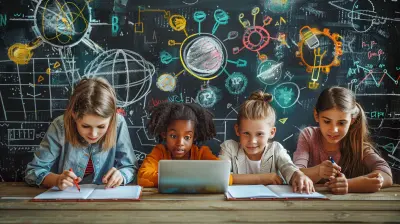
Blending Innovation and Tradition: Modern Approaches to Creativity in Education
9 March 2026
Education has always been a hot topic, hasn’t it? We all agree it’s essential, but let’s face it—traditional methods alone don’t cut it anymore. The world’s moving at lightning speed, and if classrooms don’t keep up, students get left behind. But what if we didn’t have to choose between the old and the new? What if we could blend the power of tradition with the spark of innovation?
Welcome to the world where chalkboards meet coding, stories meet simulations, and timeless teaching methods dance with tech-driven tools. Let’s chat about how creativity in education is evolving and how teachers, students, and schools can ride this exciting wave.
The Power of Tradition in Education
Before we go all-in on innovation, let’s give tradition its due respect. After all, it laid the foundation for what we call "learning" today. Think about it—classic literature, handwritten notes, face-to-face discussions. These aren’t just old-school; they’re deeply effective in many ways.Why Tradition Still Matters
📚 It builds discipline — Traditional learning practices instill patience and focus. There’s something to be said about reading a physical book and letting your mind truly absorb the story.👥 It encourages personal connection — Real-life teacher-student interactions foster empathy, presence, and impactful mentorship.
🧠 It fuels deep learning — Memorization, repetition, and structured curricula have helped students master complex concepts for generations.
But here's the thing—just because something worked yesterday doesn’t mean it’s the best fit for today. That’s where the magic of innovation comes in.
Innovation: The Game-Changer
Let’s face it, the modern classroom looks nothing like it did twenty years ago. And that's a beautiful thing. Interactive whiteboards, AI tools, online learning... technology has opened up creative territories we only dreamed of before.How Innovation Transforms Learning
💡 Personalized Education — With tools like learning analytics and AI, teachers can tailor lessons to each student’s pace and style.🌍 Global Perspective — Online platforms connect learners around the world, making education a shared, borderless experience.
🎮 Gamification — Learning through play isn’t just for kindergartners. Apps and games turn lessons into challenges that keep students engaged and motivated.
🧪 Experiential Learning — Virtual labs, simulations, and immersive experiences make abstract concepts come alive.
Innovation gives students the freedom to explore, create, and grow in ways traditional methods alone never could. But here’s the real trick: combining both worlds to shake up the way we teach and learn.
The Sweet Spot: Where Tradition Meets Innovation
Imagine a classroom where a student analyzes Shakespeare’s Hamlet and then creates a video diary from Hamlet’s point of view using animation software. Or a history lesson where students read firsthand accounts of World War II veterans and then design an interactive timeline using educational tech.That’s not throwing out the old. That’s reimagining it.
Creative Approaches That Blend Old and New
1. Project-Based Learning with Storytelling
Combining traditional storytelling with project-based learning encourages students to craft narratives around real-world issues. Think “story meets solution.”- Example: Students study climate change and then script and film a documentary explaining its impact on their local community.
2. Flipped Classrooms
Instead of listening to lectures in class and doing homework at home, flipped classrooms reverse the process. Students watch lesson videos at home and use class time for hands-on activities. It’s a mash-up of screen time and face time.3. Maker Spaces Meet Art Class
Remember how much fun it was to make stuff in art class? Now add some laser cutters, 3D printers, and coding software. Creativity explodes when hands-on making meets tech-savvy tools.4. Mindfulness + Mobile Apps
Bringing age-old mindfulness techniques like meditation into the classroom? Great. Now, mix that with modern brain-training and wellness apps, and you’ve got a winning combo for mental clarity and emotional intelligence.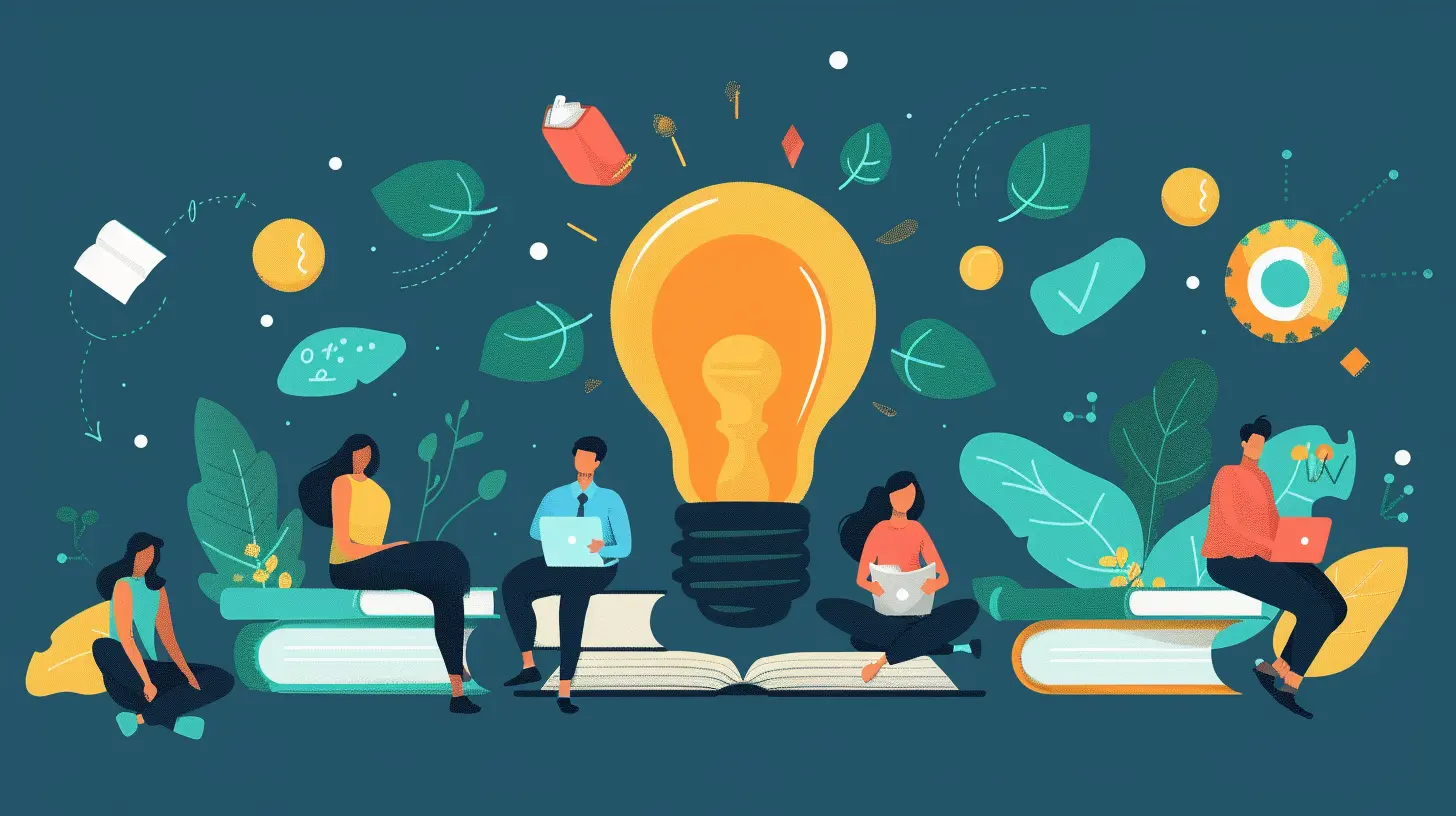
Teachers As Creative Catalysts
You know the saying, “A good teacher can inspire hope, ignite the imagination, and instill a love of learning”? It’s more relevant than ever. With the right mindset, today's educators can be creative powerhouses—not just content deliverers, but facilitators of engaging, hybrid learning experiences.What Makes a Modern Creative Educator?
- Curious — Keeps learning so they can keep teaching- Adaptable — Embraces new tools and methods without letting go of what works
- Empathetic — Understands student needs and adapts accordingly
- Tech-Savvy — Knows how to use tech as a tool, not a crutch
Teachers who blend innovation with tradition give students the best of both worlds. They keep the wisdom of the past alive while lighting the path to the future.
Students: The Creators of Tomorrow
Here’s the real kicker: students aren’t just consumers of creativity; they’re creators. When they’re given the right tools and the freedom to innovate, magic happens. A classroom full of curious minds can change the world.How Students Benefit From Blended Creativity
🧩 Problem-Solving Skills — Working on real-world projects boosts critical thinking and encourages solution-driven thinking.💬 Communication — Collaborative, cross-disciplinary projects enhance social and presentation skills.
📈 Confidence Boost — Students gain pride and ownership when they create something meaningful.
🎨 Self-Expression — Whether it's art, writing, design, or code, blended education gives every student a chance to shine.
Real-Life Examples: Schools Doing It Right
Let’s take a quick look at schools around the world that are crushing this blended approach:- High Tech High (California, USA) — Combines real-world projects with academic rigor. Students don’t just study problems—they solve them.
- Green School (Bali, Indonesia) — A bamboo campus where traditional environmental practices meet sustainability tech.
- AltSchool (San Francisco, USA) — Uses tech to personalize learning while keeping kids grounded in core subjects and values.
These schools aren't just cool—they're effective. And they’re proving that when tradition and innovation are equally respected, students soar.
Challenges and How to Overcome Them
Of course, it’s not all sunshine and coding. Blending old and new comes with its own set of hurdles.1. Tech Overload
Not every shiny gadget adds value. Educators must choose tools that enhance—not replace—solid teaching methods.🛠️ Solution: Pilot new tools in small doses. Keep what works. Ditch what doesn’t.
2. Training Gaps
Teachers need time and support to adapt. You can’t just toss them a tablet and expect magic.🛠️ Solution: Continuous professional development and peer sharing is key.
3. Equity Issues
Not every school has access to the latest tools.🛠️ Solution: Focus on low-cost, high-impact innovations. Creativity doesn’t need a big budget—it needs bold ideas.
The Future of Education Is Now
Here’s the deal: the future isn’t waiting for permission to show up in our schools. It’s already here. But the future doesn’t mean wiping the board clean. It means writing a new chapter—one that respects the past and embraces the future.When we balance tradition with innovation, creativity becomes contagious. We stop just teaching students what to think and start showing them how to think, adapt, and create.
So if you’re an educator, a parent, a student, or just someone who cares about the future of learning—don’t be afraid to mix it up. Be bold. Be curious. And most importantly, be creative.
Final Thoughts
Creativity in education isn’t just about art projects and imagination. It’s about preparing students to face a world that values versatility, empathy, and ingenuity. When we blend tradition and innovation, we don’t compromise—we amplify. We create classrooms that inspire, tools that empower, and minds that innovate for a better tomorrow.Education isn’t about staying in the lines. It’s about drawing new ones.
all images in this post were generated using AI tools
Category:
Creativity In EducationAuthor:

Fiona McFarlin
Discussion
rate this article
2 comments
Amy Gilbert
How fascinating! Blending innovative methods with traditional approaches could revolutionize education. I wonder how educators balance these elements to foster genuine creativity in students?
March 18, 2026 at 1:34 PM
Fiona McFarlin
Thank you for your insightful comment! Balancing innovative methods with traditional approaches requires flexibility, collaboration, and a deep understanding of students' needs, enabling educators to create an environment that nurtures creativity effectively.
Zaid Sullivan
Embrace the fusion of innovation and tradition for limitless creative potential in education!
March 9, 2026 at 4:19 AM
Fiona McFarlin
Absolutely! Combining innovation with tradition opens up exciting possibilities for creativity in education.