Blended Learning for English Language Learners
3 February 2026
Learning a new language is like embarking on an exciting journey—you need the right tools, a good guide, and a plan that suits your personal learning style. For English language learners (ELLs), one of the most effective approaches today is blended learning.
But what exactly is blended learning? And why is it a game-changer for those trying to master English? Let’s dive in and uncover how this approach makes learning more engaging, effective, and even fun! 
What is Blended Learning?
Blended learning is a mix of traditional face-to-face instruction with online learning tools. Instead of relying solely on a teacher in a classroom or a computer program, students get the best of both worlds.Imagine trying to learn English through a textbook alone—sounds dull, right? Now picture a learning experience that includes interactive videos, speaking exercises with AI, grammar quizzes online, and live classroom discussions. That’s blended learning in action!
This approach allows students to learn at their own pace while still benefiting from teacher guidance and peer interactions. 
Why is Blended Learning Perfect for English Learners?
English isn’t just about memorizing vocabulary or grammar rules—it’s about communication. And that’s where blended learning shines.It helps in several ways:
1. Flexibility to Learn Anytime, Anywhere
One of the best parts about blended learning is the flexibility it offers. Whether you’re a student juggling schoolwork, a working professional with limited time, or someone practicing English in your free hours, you can access learning materials whenever it suits you.2. More Engaging Than Traditional Methods
Let’s be honest—just reading a grammar book or listening to lectures can be boring. But with blended learning, you can watch videos, play language-learning games, join virtual speaking groups, and even use AI-powered chatbots to practice conversations.3. Personalized Learning Experience
Everyone learns differently. Some students grasp concepts faster through visuals, while others learn better by hearing and speaking. Blended learning allows teachers to create personalized learning paths that cater to each student's needs.4. Instant Feedback & Assessment
Instead of waiting for the teacher to correct your work a week later, online tools provide real-time feedback. Whether it’s a pronunciation app correcting your accent or a grammar checker pointing out mistakes, immediate feedback helps reinforce learning.5. Encourages Student Interaction
Learning English isn’t just about understanding—it’s about using the language. Blended learning promotes classroom discussions, group projects, and online forums where students can practice speaking and writing in English regularly.
Main Components of Blended Learning for English Learners
Blended learning isn’t a one-size-fits-all approach. There are different models, and the best one depends on the learner’s needs. Here are some key components that make it successful:1. Face-to-Face Instruction
Despite all the digital advancements, nothing beats the guidance of a teacher. Classroom sessions help learners practice spoken English, ask questions, and receive structured lessons. Teachers can also monitor progress and provide individual support.2. Online Platforms & Language Apps
With technology at our fingertips, countless tools can enhance learning.- Duolingo & Babbel – Great for vocabulary building and basic conversation practice.
- BBC Learning English & FluentU – Provides interactive videos and real-world conversations.
- Grammarly & Hemingway Editor – Helps improve writing skills by correcting grammar and sentence structure.
3. Multimedia Learning (Videos, Podcasts & Interactive Content)
Why limit yourself to boring textbooks when you can learn through engaging content?- Watching English movies with subtitles helps improve listening.
- Listening to podcasts like "The English We Speak" improves comprehension.
- Interactive learning games make grammar and vocabulary practice enjoyable.
4. Online Discussion Boards & Virtual Classrooms
Language learners need an environment where they can practice regularly. Online platforms like Google Classroom, Zoom, Slack, or even social media groups help students interact with peers and teachers outside the classroom.5. AI & Voice Recognition for Pronunciation Practice
Practicing English pronunciation can be tricky. Thankfully, advanced tools like Google Assistant, Voice-based AI on Duolingo, and even Siri can provide feedback on intonation, stress, and pronunciation.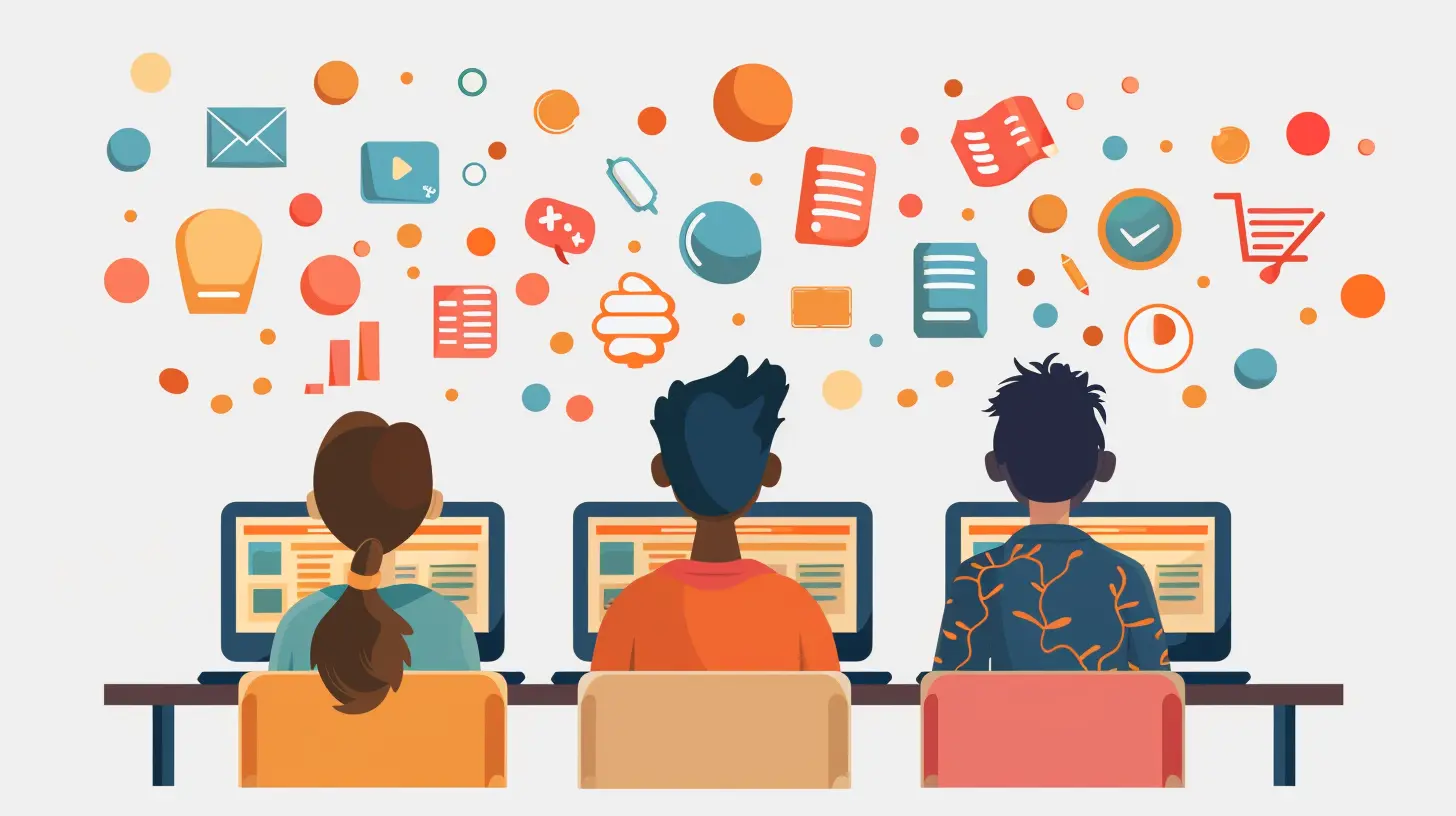
How to Implement Blended Learning Effectively?
If you’re a learner or an educator looking to make the most of blended learning, follow these strategies:1. Set Clear Learning Goals
Before diving into multiple apps and resources, establish what you want to achieve. Whether it’s improving fluency, mastering grammar, or preparing for an English exam, having a goal keeps you focused.2. Find the Right Balance Between Online & Offline Learning
Don’t get lost in just watching videos or reading online articles. Balance active speaking practice with digital learning tools to get the best results.3. Engage in Real-Life Conversations
Practice makes perfect. Try speaking with native speakers, joining English-speaking clubs, or participating in online discussion forums.4. Use a Variety of Learning Tools
No single tool is perfect for mastering English. Use a combination of apps, videos, podcasts, writing exercises, and classroom discussions to make learning well-rounded.5. Track Your Progress
Keep a journal, track your improvements using language apps, or ask your teacher for feedback. Seeing progress will keep you motivated!Challenges & How to Overcome Them
Like any learning method, blended learning has its challenges. Here are some common ones and how to navigate them:1. Lack of Self-Discipline
Since a lot of learning happens online, staying consistent can be tough. Set a study schedule and stick to it, just like attending a physical class.2. Technical Issues
Not everyone has access to a fast internet connection or expensive software. Use offline resources like downloaded videos, printed materials, and classroom notes.3. Feeling Isolated
Blended learning combines online tools with real-life interactions, but if not done right, students might feel isolated. Engage in discussions, join study groups, and interact with peers regularly to stay connected.Final Thoughts
Blended learning for English language learners isn’t just a trend—it’s the future of learning. By combining the best aspects of traditional and digital education, it creates a dynamic, flexible, and personalized language-learning experience.So, if you're looking to improve your English skills, why not give blended learning a shot? With the right mix of classroom lessons, online tools, and real-world practice, fluency is just around the corner!
all images in this post were generated using AI tools
Category:
Blended LearningAuthor:

Fiona McFarlin
Discussion
rate this article
2 comments
Isolde Lynch
Blended learning offers English Language Learners flexible, personalized opportunities to improve language skills, combining online resources with face-to-face interactions for effective engagement and support.
February 22, 2026 at 4:30 AM
Fiona McFarlin
Thank you for highlighting the advantages of blended learning for English Language Learners! This approach truly fosters flexibility and personalization, enhancing engagement and skill development.
Jett McFadden
Blended learning offers a dynamic approach to English language acquisition, combining traditional classroom methods with online resources. This hybrid model fosters engagement and personalized learning, enabling students to progress at their own pace. By leveraging technology and face-to-face interaction, educators can effectively support diverse linguistic needs.
February 6, 2026 at 6:04 AM
Fiona McFarlin
Thank you for your insightful comment! I completely agree that blended learning enhances engagement and supports diverse linguistic needs, making it a valuable approach for English language learners.